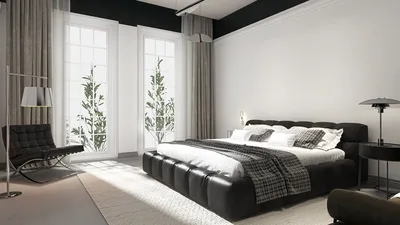


One of my clients once pushed for transforming their compact studio into a ‘royal cocoon’ adorned in purple from top to bottom, including the ceiling. My initial instinct was to decline, but I quickly realized that small spaces are perfect for testing creative concepts. After we revamped the design, we achieved a cozy and sophisticated ambiance that still brings a smile to my face. If you’re curious about how to incorporate purple in your room without overwhelming it, let’s revisit my kitchen renovation — it clearly demonstrated how bold colors can harmonize with a smart design layout, showing that you don’t have to sacrifice space for style.
1. Dark Plum Feature Wall
A single dark plum wall can add an element of drama without committing your entire room to the color. This choice effectively anchors furniture and enhances the impact of metallics and warm wood tones. However, keep in mind that scuff marks are more visible, so opting for a durable satin or eggshell finish, along with having a touch-up paint available, is advisable.
save pin
2. Soothing Lavender Ombre
Creating an ombre effect that transitions from delicate lavender at the ceiling to a deeper shade at chair rail height visually elevates the ceiling and softens the color’s boldness. If you’re considering this option, it can be quite budget-friendly if you take the DIY route in vertical sections, but achieving seamless blends may demand patience or a practice area.
save pin
3. Luxe Matte Velvet Finish
For areas like bedrooms or reading corners, employing a matte velvet finish in a bluish-purple tone imparts a luxurious and cozy feel. Unlike glossier finishes, matte tends to disguise imperfections better; however, it can be more challenging to clean. It's recommended to use matte for low-traffic walls and semi-gloss for accents where easy cleaning is required. To visualize the space before making a commitment, consider using Homestyler for a 3D layout preview.
save pin
4. Combining Purple with Natural Textures
Pairing purple walls with materials like rattan, linen, and raw wood can help ground the overall vibe of your space. Think along the lines of a purple wall complemented by a jute rug and an oak bedside table. The caveat to this mix is that adding too many textured elements may clutter the scene; therefore, it’s best to limit patterns to one key piece to maintain a tranquil atmosphere.
save pin
5. Purple as a Room Divider
In open layouts or studio apartments, using purple paint can delineate different areas: perhaps a subdued mauve zone for your workspace and a vibrant violet for your sleeping quarters. This method is a bold but budget-friendly strategy, and if you’re hesitant about the color scheme, utilizing digital tools like Homestyler can help you visualize different shades and arrangements before you paint.
save pin
FAQ
Q1: What shade of purple is ideal for smaller rooms?
A: Softer lavenders and muted mauve tones tend to work best as they reflect light more effectively, making the space feel larger. Jewel tones can be striking when used on a single accent wall. Make sure to test color samples in various lighting conditions both morning and evening.
Q2: Which paint finish is recommended for purple walls?
A: For bedrooms and living areas, a matte or eggshell finish can provide a cozy aesthetic, while satin or semi-gloss finishes are easier to clean. Avoid high gloss on expansive purple areas unless you're aiming for a shiny, contemporary look.
Q3: How can I coordinate purple paint with my furniture?
A: Shades of warm woods, brass accents, and neutral fabrics can beautifully balance purple tones; however, cooler grays and deep blues can produce a more serious atmosphere. Limit yourself to one prominent texture or pattern to keep visual clutter at bay.
Q4: Will using purple paint influence a property's resale value?
A: Vibrant colors can polarize opinions, but tasteful accents alongside neutral adjacent walls can maintain broader appeal. When resale value is a consideration, consider using purple sparingly or in secondary spaces, such as a half-bath.
Q5: Is purple paint challenging to care for?
A: Darker purples are more likely to show dust and scuffs, so it’s prudent to select durable finishes for busy areas and have a small touch-up kit on hand. Lighter shades are typically more forgiving and simpler to maintain.
Q6: Are there any health concerns associated with purple paint?
A: Opting for low-VOC or zero-VOC paints is beneficial for indoor air quality; resources like the U.S. EPA offer guidelines on volatile organic compounds and safe indoor environments at https://www.epa.gov/indoor-air-quality-iaq/what-are-volatile-organic-compounds-vocs. Ensuring proper ventilation during painting also helps mitigate concerns.
Q7: How can I assess purple paint before finalizing my choice?
A: Apply two to three sizeable swatches on different walls and observe them throughout the day; small sample cards may not convey the color accurately. Additionally, consider visualizing furniture and lighting setups through digital previews for a quick assessment.
Q8: Is purple suitable for kitchens and bathrooms?
A: Absolutely — just select mildew-resistant paints and semi-gloss finishes for easier cleaning. To prevent color clashes, keep cabinets and countertops neutral to maintain visual harmony.
save pin
Looking to transform your space? Homestyler is your go-to online design platform! With an easy-to-use design tool, stunning 3D renderings, inspiring design projects, and helpful video tutorials, you’ll have everything you need to create your dream home effortlessly. Start designing today!
立即免费设计
































