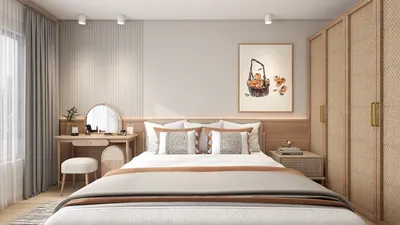


There was a time when I nearly transformed an entire one-bedroom apartment into a vibrant bubblegum pink at a client's request, believing it would add a romantic ambiance. Ultimately, I persuaded them to settle for a gentle blush, realizing that while light pink can enchant, it must be balanced carefully. If you're seeking a playful warmth without the nursery feel, this article blends my lessons learned with successful approaches to demonstrate how to effectively use color.
Creativity truly shines in compact spaces — applying a single layer of the right shade of light pink can shift the atmosphere, enhance light reflection, and conceal imperfections. Here, I’ll share five practical inspirations I've successfully implemented in actual kitchens, bedrooms, and small living areas, alongside quick budgeting tips and noteworthy considerations.
1. Blush Walls with White Trim for a Fresh Effect
For tiny bedrooms, my favorite choice is a warm blush for the walls paired with clean white trim. This combination brightens the space and keeps it modern; the white edges ensure the pink doesn’t become overpowering. Be cautious with paint quality; lower-end options can leave visible brush strokes, so it’s wise to invest in a mid-range satin for a smooth finish and easy cleaning.
save pin
2. Pale Pink Accent Ceiling to Elevate the Space
I once convinced a doubtful client to opt for a whisper-pink ceiling against neutral walls — it made the room feel cozier and visually more spacious. This subtle yet effective trick adds character without overwhelming the senses. Just a tip: be mindful of light sources; warm bulbs can enhance the pink hue, so test samples in your lighting conditions prior to making a final decision.
save pin
3. Combine with Natural Wood and Brass for a Warm Touch
Light pink beautifully complements natural oak alongside brushed brass accents. I incorporated this design in a snug studio to avoid a purely pastel appearance; the natural wood stabilizes the color scheme while brass introduces a touch of elegance. If you wish to visualize these combinations, check my preferred design case studies featuring the Homestyler platform for inspiration. Budget-friendly tip: acquire one brass accessory and a wooden piece at a time to manage expenses.
save pin
4. Subtle Pink Accents in the Kitchen — Not Overwhelming
In kitchen spaces, I advocate for a splash of light pink on a single wall or perhaps on the grout of the backsplash instead of the cabinets. This approach adds personality without the constant upkeep that darker shades require. For kitchen layout planning, I often refer clients to curated project examples; the Homestyler gallery showcases real kitchen project transformations to aid in deciding placement and scale. A small caveat: bright sunlight can intensify the pink shade, so sample testing during midday light is advisable.
save pin
5. Two-Tone Walls: Light Pink Below, Neutral Above
Applying light pink on the lower half of a wall with a neutral shade above is a technique I've successfully used in narrow hallways to create depth without making the space feel cramped. This method is cost-effective since only the lower section needs repainting if styles evolve. Just remember, the line separating the two colors must be sharp — using painter's tape and a level is crucial, or consider hiring a professional for a seamless finish. When I need to convince clients, I showcase 3D visualizations from Homestyler to visualize the end result before any painting begins.
save pin
.
Frequently Asked Questions (FAQ)
1. Is light pink paint appropriate for smaller rooms?
I usually endorse it; light pink can reflect light and help a small room appear warmer and more spacious. Opt for cooler or warmer pink tones depending on the room's natural light.
2. Which finish is ideal for light pink walls?
Satin or eggshell finishes typically provide the best balance between washability and a subtle sheen. Steer clear of high-gloss finishes unless it's for a small accent area.
3. How do I avoid a nursery-like appearance?
Incorporate natural textures such as wood, leather, or woven fabrics, and introduce metallic accents to mature the color scheme. Contrast it with a few deep-hued accessories to ground the space.
4. Will light pink paint fade rapidly?
High-quality acrylic paints are designed to resist fading; proper priming and the right primer-sealer also enhance longevity. Keep the effects of direct sunlight in mind — using curtains or UV films can help preserve the color.
5. Is light pink suitable for kitchen spaces?
Absolutely, but I suggest using it as an accent rather than on surfaces that experience frequent contact. Consider utilizing washable finishes in food preparation areas and test samples under the kitchen lighting.
6. How do I choose the right undertone?
Evaluate samples against your flooring and fixtures; pinks with blue undertones will appear cooler, while those with peach bases will seem warmer. According to the American Society of Interior Designers (ASID), it's vital to assess paint samples at various times during the day to accurately judge their undertone.
7. Is light pink challenging to match during redecorating?
It can be, as pink shades feature subtle differences; thus, keeping a swatch or noting the paint code is recommended. Repainting a single wall is an economical method to test long-term satisfaction with a particular shade.
8. Any tips for painting with light pink on a budget?
Opt for mid-range paint and ensure proper preparation; a good primer can save both time and coats. If in doubt, begin with samples and paint just an accent wall before committing to the entire room.
save pin
Looking to transform your space? Homestyler offers an easy-to-use online design tool, stunning 3D renderings, and a wealth of design projects and DIY video tutorials. Perfect for anyone seeking inspiration and guidance in home design—unleash your creativity today!
立即免费设计
































