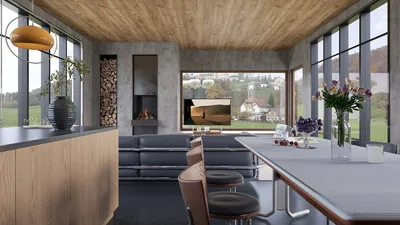


During an interesting project, I painted a client's compact bedroom in a striking deep ocean blue. The client hesitated at the entrance, similar to a scene from a play, which was dramatically beautiful but initially a bit daunting. This experience taught me swiftly that the color blue can evoke a sense of magic or, conversely, feel uninviting, depending on factors such as lighting, trim, and the scale of the furniture. While brainstorming solutions, I preserved my original floor plan as a sketch of the small room and adjusted the layout to allow the color to shine rather than overwhelm.
Creating depths with layered blues
I enjoy blending various shades of blue: a matte navy accent wall, a medium blue on three sides, and light blue ceilings that elevate the atmosphere. This method provides immediate depth without needing bulky furniture, though choosing paint colors that work well together is essential — testing samples on different walls is indispensable. A budget-friendly tip: apply the darker colors only on the feature wall while using a more economical eggshell or satin finish on the others.
save pin
Incorporating warm accents to balance cool hues
Although blue creates a crisp appearance, it can sometimes feel too chilly on its own. I often combine blue walls with warm materials such as wooden elements, rattan, or brass fixtures to foster a balanced atmosphere. This simple technique enhances the richness of blue, yet you may need to update lighting or hardware to coordinate the tones effectively.
save pin
Enhancing ambiance with layers of light: lamps, curtains, and reflective elements
Effective lighting transforms blue from a moody shade into a welcoming space. I tend to create a lighting strategy that comprises a dimmable ceiling fixture, bedside lamps, and mirrored surfaces to bounce natural light. At times, I use design software such as Homestyler to create a quick visual model to test options before making purchases. The advantage lies in the flexibility of design; however, positioning wiring or fixtures can be a challenge, especially in older homes.
save pin
Utilizing textiles as emotional enhancers
Cushions, throws, and area rugs are key to altering the mood: marine blues paired with fresh white evoke a nautical feel, while teal with mustard adds a vintage flair. Changing textiles with the seasons is a cost-effective way to refresh the space, although it does require some storage for off-season items.
save pin
The importance of scale and layout over paint nuances
In a petite bedroom, paint has its limitations, especially if the bed is oversized or movement is restricted. I focus on making layout adjustments — such as floating the bed away from the wall, integrating slender nightstands, or incorporating built-in storage — to ensure that blue walls feel purposeful and not overwhelming. For clients looking to experiment, I often employ design tools like Homestyler to quickly assess layout options; while it cannot replace personal judgment, it certainly accelerates the ideation process.
save pin
Frequently Asked Questions
Q: What shades of blue are ideal for small bedrooms?
A: Softer, muted blues (such as powder or dusty blue) generally make a small room feel larger, while deeper navy tones can create a snug environment. It’s advisable to test larger samples on multiple walls before settling on a choice.
Q: Will blue walls render my room feeling colder?
A: Blue can indeed appear cool, but by incorporating warm woods, brass accents, or warm lighting, you can balance this effect and create a space that feels inviting.
Q: How should I coordinate blue walls with bedding?
A: Use contrast and texture effectively: opt for crisp white sheets for juxtaposition, and layer throws in sync with complementary colors (like mustard, rust, or soft pink) for added depth. Limit patterns to one or two scales to avoid visual chaos.
Q: Are matte or satin finishes preferable on blue walls?
A: While matte finishes conceal imperfections and suggest sophistication, satin lends itself to light reflection and is simpler to maintain. For bedroom settings, I usually recommend matte on featured walls while opting for satin on the rest.
Q: Are blue walls compatible with small windows?
A: Absolutely — utilizing lighter shades of blue and maximizing artificial and reflected light (with mirrors and glossy accents) can enhance the space. Positioning lamps to direct light upward can also help simulate a feeling of openness.
Q: How can I trial blue paint without commitment?
A: Apply large swatches across different walls and assess them in various lighting conditions throughout the day. Peel-and-stick samples can also provide clarity when combined with textiles.
Q: Do color trends influence long-term decisions?
A: Although trends evolve, enduring blue palettes (navy, slate, soft blue) maintain their appeal. Focus on finishes and furniture for an effortless update in the future.
Q: Is there any research about blue's impact on mood?
A: Research and expert advice suggest that blue can have a calming effect and reduce stress within interior spaces; for further information on color psychology and mood, see current resources: https://www.sherwin-williams.com/ (accessed 2025).
save pin
Homestyler is your go-to online platform for home design! Its user-friendly design tool, stunning 3D renderings, and diverse design projects make it easy to visualize your ideas. Plus, with DIY video tutorials, you'll feel inspired and confident to transform your space effortlessly!
Design Now for FREE
































