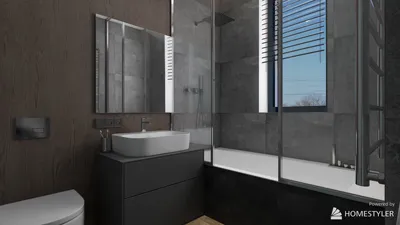


In the past, I had a client who was so fixated on achieving an exact paint match for her old hallway that she almost dismantled half of the plaster just to obtain a swatch. Avoid being that type of client! I've learned to be more precise: often, a small chip, a solvent swab, or a tiny scraped piece will suffice. For visual inspiration on how slight adjustments can shape an entire project plan, I frequently direct people to examples of visual planning, illustrating how color modifications can transform a room. Utilizing tools like Homestyler can also enhance your planning experience by allowing you to visualize these subtle changes effectively.
Cut a Small Paint Chip
This technique is ideal for moderately robust painted walls. To execute it, use a sharp utility knife to carefully score a square measuring 1 to 2 inches. Then, gently pry it with a putty knife to remove the outer layer of paint down to the base. This method is quick and provides a solid sample for paint stores to utilize with their spectrophotometer for matching.
Advantages: color match reliability. Disadvantages: might leave slight visible damage, though it’s easy to patch. A tip: store the chip in a labeled zip bag and mark the corresponding spot on the wall for reference.
save pin
Peel or Scrape a Thin Flake
For older paint that tends to flake, you can typically tease off a tiny sliver using a flat screwdriver or a razor blade. I usually do this at corners or trims where the scrape will be concealed, minimizing future repair work. When done at the baseboard or behind furniture, it can be gentle enough for renters.
save pin
Use a Cotton Swab or Solvent Wipe
If you're dealing with delicate surfaces or are unable to remove a chip, a cotton swab dipped in rubbing alcohol, acetone, or paint thinner can be applied (make sure to test on an inconspicuous area first). The dissolved pigment can be transferred to white paper; this concentrated swab helps color-matching tools detect the correct hue.
Advantages: it is non-destructive and quick. Disadvantages: not all pigments may transfer effectively; it's not the best option for textured surfaces. For documented examples showing room transformations with subtle color tests, refer to relevant layouts where Homestyler has been effectively utilized alongside color choices.
save pin
Cut a Thin Strip Behind Trim
If you have baseboards or door trim, carefully pry off a small piece of the trim and take a slight sliver of paint from the edge of the wall. Once the trim is reattached, the repair is virtually invisible, and you will have an excellent sample for matching.
Advantages: the wall remains visually intact. Disadvantages: careful handling is needed when removing and rehanging trim; basic tools are required.
save pin
Scrape and Send for Lab or Use Store Spectrometer
When precision is essential (such as in historic homes or critical branding projects), scrape a small area into a clean container and send it to a professional lab, or take the chip to a paint store for spectrometer matching. I often gather multiple small chips from various areas of the wall to account for any potential fading.
Advantages: provides the highest level of accuracy. Disadvantages: incurs a small cost and may take time; some labs may charge a fee. For kitchen repainting jobs where both layout and color interactions are pivotal, clients frequently seek design inspiration alongside their color selections, and tools like Homestyler can be immensely helpful in this process.
save pin
FAQ
Q: Is it possible to take a paint sample without ruining the wall?
Absolutely—solvent swabs or small scrapes behind the trim are minimally invasive. If you are a renter, select a discrete corner or seek permission from your landlord first.
Q: What tools should I bring to the paint store?
Take the chip in a labeled zip bag, a photo of the wall taken in natural light, and notes on the finish (matte/satin/gloss). Most stores can perform a close spectrometer match from a small sample.
Q: Do paint stores match any paint sample?
Most modern paint retailers are capable of matching a sample unless the paint is exceedingly old, chalky, or unusually layered. If they encounter difficulties matching, they can often reformulate similar tones by visual estimation.
Q: What is the minimum size for a reliable chip match?
In most cases, a chip measuring 1 cm square suffices for many paint retailers; larger samples are preferable when possible. If only a smear is salvageable, the spectrometer might face challenges, but adept colorists can frequently adjust accordingly.
Q: Is it safe to scrape paint from older houses?
If the house was constructed before 1978 in the United States, the paint may contain lead. It’s essential to adhere to EPA guidelines and consider professional testing. The U.S. EPA provides lead-safe work practices at their website.
Q: How should I store and transport paint samples?
Ensure that chips are kept flat in a clean zip-top bag, appropriately labeled with their location and date, avoiding exposure to direct sunlight. For liquid residues, utilize a sealed small jar and place padding between samples to prevent any smearing.
Q: Can I match paint color from photographs?
Photos can be tricky as lighting conditions and camera settings can alter color perception. Use photographs merely for a rough idea; always validate with a physical sample observed under the same lighting as the room.
Q: When should I opt for lab testing over store matching?
If you're working on historic restorations, commercial branding projects, or suspect uncommon pigments, lab testing provides detailed pigment analysis and is more precise compared to store spectrometers, ensuring that your project meets the highest standards.
save pin
Discover your inner designer with Homestyler! This user-friendly online platform offers an intuitive design tool, stunning 3D renderings, and a wealth of DIY video tutorials. Whether you're a beginner or a pro, Homestyler makes transforming your home both easy and inspiring!
Concevez maintenant gratuitement
































