

Working with friends on interior design projects can be both exciting and immensely fulfilling. I've participated in numerous collaborative design initiatives—from our first apartments to cozy coworking spaces—and I have found that the most successful results stem from setting clear objectives, mapping our shared tastes, and employing a workflow that respects both creativity and constraints. Research underscores this benefit: Gensler's Workplace Survey indicates that environments tailored to user needs can enhance performance metrics, while the WELL v2 framework highlights the importance of environmental comfort—such as light, acoustics, and air quality—for tenant satisfaction. Applying these principles in a friendly collaborative setup ensures that the process is both enjoyable and productive. Incorporating tools like Homestyler can elevate this experience positively by visualizing design ideas effectively.
Prioritizing data-driven objectives allows groups to make quicker and more informed decisions. Research from Steelcase links environmental management—like lighting, acoustics, and flexible layouts—to increased engagement. Furthermore, the WELL Light concept emphasizes the importance of appropriate lighting levels and glare reduction for comfort and support of circadian rhythms. Even in a shared living space, these guidelines aid in practical choices: aim for balanced ambient lighting, introduce task lighting in key areas, and minimize glare from screens and shiny surfaces. When we ground our discussions in established comfort metrics, disagreements over light fixtures or lamp types can be resolved with greater ease, especially when integrated with software like Homestyler.
Defining Purpose and Design Intention
Every group project benefits from a well-defined purpose. Are you designing an inviting social space, an efficient study area, or a versatile living room? I begin with a succinct brief outlining core functions, usage times, and specific moods (such as calm, bright, or grounded). Incorporating measurable targets—like seating capacity and storage needs—creates a compass for decision-making when preferences diverge.
Create a Shared Taste Map
Mapping tastes helps to avoid endless cycles of indecision. Develop a collective mood board featuring around 10 to 15 images, tagging attributes such as cozy neutral tones, matte textures, and soft forms. Identify key elements that are essential for agreement (like natural wood) and those that are deal-breakers (such as high-gloss finishes). A shared vocabulary clarifies discussions: when someone mentions "minimal," ensure everyone is on the same page regarding whether it references low-contrast or simply uncluttered aesthetics.
Transparent Budgeting and Project Phasing
Financial disagreements can quickly tarnish group dynamics. I recommend establishing a multi-tier budget: fundamental needs (like lighting and seating), enhancements (such as decor and plants), and aspirational purchases (unique pieces or custom furnishings). Each member can oversee specific items, ensuring accountability remains clear. Structure the timeline to keep the project moving forward: week one for decluttering and planning, week two for painting and lighting installation, week three for essential furniture, and week four for textiles and finishing touches. Using shared documents with links and cost splits fosters transparency.
Collaborative Layout Planning
Layout workshops can save considerable time. Start by assessing circulation needs, maintaining 30 to 36 inches for primary paths while ensuring adequate space around seating. Define areas based on functionality—like conversation zones or dining spaces—and anchor them with anchor pieces. Utilize an interior layout planning tool to visualize furniture placements, sightlines, and illumination before making physical changes. Tools like Homestyler can make it easier to trial different configurations for an informed vision.
Lighting for Mood and Function
Layering light is akin to creating a storyboard: consider ambient (ceiling or uplighting), task (lamps or under-shelf lighting), and accent (picture lights, LED strips). Follow IES recommendations on light levels: living areas usually thrive under 10 to 20 footcandles while kitchens and workspace require brighter, localized lighting. Mitigate glare by selecting diffusing bulbs and using matte surfaces near bright light sources. Dimmer switches and warm-tone LEDs (between 2700K and 3500K) ensure the ambiance remains inviting in the evenings, while also keeping daytime tasks well-lit.
Color and Material Agreements
Selecting colors can be pivotal for maintaining friendships. I guide groups towards establishing a base palette of three neutrals (one warm, one cool, and one deep) plus two accent colors. Test large swatches during different times of the day to observe how colors change with natural light. Choose materials that harmonize comfort, upkeep, and sustainability, utilizing low-VOC paints and durable fabrics. A clear hierarchy should be established, with quieter floors and walls, and more expressive textiles and art.
Understanding Ergonomics and Human Factors
Comfort is quantifiable. In living spaces, seating heights typically range from 16 to 18 inches, while desks should be around 28 to 30 inches, ideally adjustable. Monitor placements should align slightly below eye level, and armrests must adequately support shoulders. Maintain easy reach around paths, avoiding sharp corners. In areas for joint work, providing adjustable chairs and footrests accommodates varying body sizes effectively. Group habits are crucial—if hosting games is a priority, focus on flexible seating to accommodate everyone comfortably; if late studying is common, investing in task lighting and soundproofing is wise.
Achieving Acoustic Comfort
Echo can quickly arise from stark walls and hard surfaces. Balancing with sound-absorbing elements—like rugs, curtains, and upholstered seating—along with diffusers (bookshelves and slatted wood) is essential. Install acoustic panels in areas with substantial hard surfaces to reduce reflection. For friends working from home, consider quiet zones with screens or bookcases. White noise machines can alleviate disruptive sounds, and felt boards add both functionality and aesthetic value.
Storage Solutions that Preserve Order
Shared living spaces rely on effective storage systems. Designate visible storage for frequently used items, such as open shelves and trays, while opting for concealed options for bulk supplies, like benches or cabinets. Labeling bins prevents disorder. Utilizing vertical storage, like hooks and peg rails, keeps everyday items handy but unobtrusive. Establishing a weekly reset ritual can maintain a fresh design feel.
Co-creating Art and Personal Touches
Infusing personality is crucial. Craft a gallery wall reflecting shared interests—travel, nature, or typography—combining various frame styles for added texture. Collaborate on art projects, like painting a large mural, or use plants as living decor. Keep personal items within designated areas to manage visual clutter—memories should reside in desk zones, while collective art adorns living spaces.
Managing the Process Like a Studio
Maintaining a structured approach helps safeguard friendships: begin with kickoff (briefings and mood boards), followed by concept development (layouts and color analysis), then material selection and lighting plans leading up to installation day. Short check-ins facilitate communication, and document all decisions to eliminate confusion later. When disputes arise, consider marking boundaries with painter's tape to visualize and settle ideas before physically rearranging items.
Avoiding Common Pitfalls
There are a few recurring issues in collaborative projects: neglecting circulation can result in cramped spaces; purchasing art before clarifying dimensions can lead to mismatched aesthetics; and underestimating the impact of lighting can cause discomfort and dissatisfaction. We address these challenges by first mapping paths, accurately weighing focal wall sizes before making purchases, and testing light levels both day and night to ensure a pleasant final result. Incorporating disciplined approaches can save time, financial resources, and maintain friendly relations.
Frequently Asked Questions
To create a shared mood board, include labeled attributes and establish an agreed-upon base palette while allowing accents to reflect individual tastes, ensuring cohesion within the room.
For optimal lighting in living areas, aim for approximately 10 to 20 footcandles, complemented by task lighting for focused activities. Kitchens benefit from higher localized lighting and effective glare management.
Combine absorptive elements, like rugs and curtains, with diffusive designs, such as bookshelves and slatted wood panels. Sealing door openings and adding textured finishes near bright light sources will reduce echo.
Divide the budget into essential items, enhancements, and aspirational purchases. Assign responsibility for each category, maintain a shared cost-tracking sheet, and stagger purchases to encourage transparency.
Utilize a layout simulation tool to explore different floor plans and pathways, confirming circulation requirements (30 to 36 inches) and visualizing lines of sight. Mark potential layouts with tape on the floor prior to making concrete changes.
Soft neutrals complemented by desaturated accents create a calming environment suitable for relaxation and social interaction. Introduce bold colors strategically for energy—whether through throw pillows, art, or a standout chair.
Define visible and concealed storage areas, labeling bins appropriately, and regularly schedule brief tidy-ups to maintain organization. Vertical storage options near entry points can effectively manage everyday clutter.
Adopt a routine of weekly catch-ups featuring a straightforward voting system. Document choices in a shared brief to prevent revisiting previous discussions.
Ensure adjustable seating options, desk heights around 28 to 30 inches, monitor placements near eye level, and adequate task lighting are all considered. Maintain comfortable reach and avoid obstacles along pathways.
Built on technology originally developed at Autodesk, Homestyler empowers anyone to design beautiful, realistic spaces in minutes. Join over 18 million users who have already discovered a smarter way to plan, visualize, and bring their dream homes to life — all from the comfort of a browser.
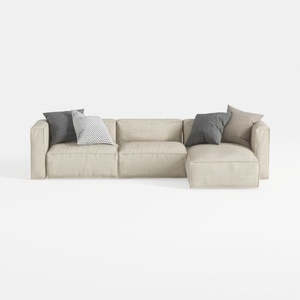
Minimalist Fabric L Shaped Sectional Sofa with Throw Pillows 3D Model
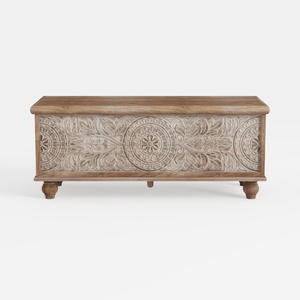
Vintage Carved Solid Wood Storage Bench 3D Model

Modern Rattan Fabric Outdoor Sectional Sofa with Coffee Table 3D Model
Homestyler is the ultimate online home design platform for anyone looking to create their dream space. With its easy-to-use design tool, stunning 3D renderings, inspiring design projects, and helpful video tutorials, you can effortlessly transform your ideas into reality. Start designing today!
Diseño ahora GRATIS
































