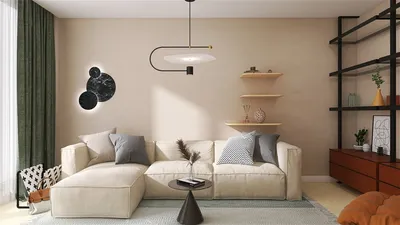


The charm of antique decor enhances modern interiors with its timeless elegance, craftsmanship, and a feeling of history. The essence of design is not to create a museum-like atmosphere, but to establish a lively environment where texture, design proportion, and functionality work in harmony. By thoughtfully curating elements, implementing proper lighting, and ensuring ergonomic comfort, one can seamlessly integrate vintage aesthetics into daily life while using tools like Homestyler to visualize arrangements.
Strategic choices help prevent antique elements from overpowering a space. The WELL v2 framework suggests maintaining ambient lighting levels between 200 to 500 lux for standard rooms, increasing to above 500 lux for areas designated for tasks. Vintage materials may require higher illumination to combat visual strain, ensuring a welcoming ambiance (source: wellcertified.com). Moreover, Steelcase's findings indicate that varying posture and small movements can enhance comfort and concentration, crucial when combining antique furniture with contemporary workspaces (source: steelcase.com/research). These strategies allow antiques to feel approachable and usable, rather than somber or delicate.
Deciphering the Room's Bones
Antiques thrive when the spatial dimensions are respected. Tall furniture complements lofty ceilings, while expansive, low seating offers balance along lengthy views. In designing, I focus on rhythm—repeating wood tones or brass highlights at three distinct points fosters a unified visual flow. If a space lacks order before introducing vintage elements, I utilize a room layout design tool to simulate movement paths, focal areas, and necessary clearances.
Intentional Curation
A single significant piece per functional area often suffices: a Georgian sideboard in the dining space, an Arts & Crafts chair in a cozy reading corner, and a mid-century credenza anchoring a media setup. I blend styles by maintaining a consistent material vocabulary—like utilizing walnut with ebonized oak or aged brass paired with leather—rather than adhering strictly to historical accuracy. This approach prevents the space from feeling overly themed and reduces visual clutter.
Light: Color, Reflection, and Atmosphere
The right warmth is essential. Lamps ranging from 2700 to 3000K enhance wood grain and tarnished metals without distorting colors, whereas higher CCTs (3500–4000K) can enhance art glass and light-colored stone but might wash out warm finishes. I prefer to layer diffuse ambient lighting with directed accent lighting to reduce glare on shiny surfaces—IES guidelines emphasize uniformity and glare control for optimal comfort (ies.org/standards). Dimmable circuits permit antiques to appear as silhouettes at night while showcasing their intricate details during daytime.
Ergonomics: Enhancing Usability of Vintage Pieces
Prioritizing functionality is key. For instance, if a vintage desk stands at 29 inches with limited leg space, pairing it with an adjustable chair and a slim keyboard tray ensures neutral wrist positioning. For seating solutions, supportive cushion upgrades can enhance lumbar support without altering the original upholstery. Ensuring work lighting is set between 500 to 750 lux at the workspace allows for visibility of intricate details like inlays and writing while adhering to WELL v2 standards.
Color Psychology and the Warmth of Patina
Antique woods and metals introduce warm, muted hues that ground a space. By contrasting these with lighter, cooler wall colors, one can maintain brightness before layering warmth through fabric choices. As per Verywell Mind’s findings on color psychology, blues foster tranquility while greens promote rejuvenation—ideal for backdrops behind rich, textured case goods or elaborate mirrors. A soft blue-gray wall can refresh a robust Victorian bookcase without clashing with its character.
Honesty in Materials and Eco-Friendliness
Antiques contribute to sustainability by extending the life of superior materials. I search for durable joinery, natural finishes, and repairable components. When refinishing, I opt for beeswax or oil to maintain texture instead of high-gloss coatings that can detract from authenticity. If incorporating new materials, I aim to match grain scale and sheen, such as pairing a matte linen with a subtly slubbed design to harmonize with aged oak rather than opting for glossy synthetic fabrics.
Acoustic Considerations in Spaces Rich with History
Antique hard surfaces can amplify sound reflections. To mitigate this, I introduce woven rugs, lined curtains, and upholstered room dividers. Strategically placed bookcases with varying depths can act as sound diffusers, ensuring clear communication. For versatile living environments, fabric-wrapped panels situated behind media equipment can manage high-frequency reflections while preserving the room's vibrancy.
Spatial Harmony: Scale, Proportion, and Flow
Large antique wardrobes or cabinets can serve as significant focal points, provided circulation is unobstructed. It's essential to maintain at least 30 to 36 inches of clearance around major pieces. In smaller spaces, replacing a single large antique with two medium-sized items can keep sightlines open. To balance visually heavy ornate pieces, I counter with sleek, modern lighting or streamlined side tables.
Contemporary Elements that Honor Tradition
Modern technology can protect antiques effectively. Methods include hidden cable management for vintage desks, felt pads to protect surfaces, and maintaining humidity levels between 40-60% to preserve wood structure. Utilizing art lights with a high Color Rendering Index (CRI) displays the true hues of paintings and textiles. Adjustable dimmers facilitate mood alterations without interfering with historical fixtures.
Styling: Creating Narratives with Layers
I create focal points in vignettes using a substantial antique, then incorporate contemporary artwork or ceramics for contrast. Incorporating books, candles, and plants enlivens a space without causing visual disarray. Minimal polishing is preferred; a bit of tarnish emphasizes authenticity. Mirrors increase light and dynamism—select beveled edges to reflect historical detailing while ensuring clarity.
Design Scenarios for Various Room Types
Living areas gain character from a standout case piece, mixed with vintage side chairs alongside modern sofas for enhanced comfort. Dining spaces achieve balance when blending a classic table with contemporary upholstered seating. Bedrooms benefit from vintage dressers or nightstands that add warmth while ensuring ergonomic mattress support. Before finalizing arrangements, employing an interior layout planner can help visualize space flow and focal points.
Maintenance, Preservation, and Longevity
Regular maintenance keeps antiques in optimal condition: avoid direct sunlight on veneers, dust gently, and select breathable finishes. For brass or bronze pieces, gentle cleaning conserves patina. When undertaking restoration, documenting changes aids future repairs. For museum-quality items, consultation with a conservator is advisable; for everyday pieces, thoughtful, reversible adjustments typically suffice.
Frequently Asked Questions
To enhance ambient lighting, aim for 300–500 lux, use warm 2700–3000K bulbs, and introduce lighter wall colors and textiles. Incorporate reflective accents—mirrors and light ceramics—to amplify brightness without causing glare.
Absolutely. Combine with supportive cushions, add lumbar pillows, and ensure seat height aligns with 17-19 inches. An adjustable task chair can be used for desk work while keeping vintage seating for occasional use.
Select one or two standout pieces and maintain pathways of at least 30 inches. Test setups through layout simulations to ensure smooth flow and clear sight lines.
Employ shielded accent lamps with high CRI, positioning them to avoid direct reflections. Warm color temperatures enhance the appearance of aged frames, while dimmers facilitate versatile mood settings.
Not if there is a unifying element—such as materials, finish sheen, or form. Match wood tones or metals across different components to create cohesion.
A modern, minimalist sofa can successfully counterbalance ornate cabinets or bookshelves. Ensure color schemes are cohesive and let various textures unify the aesthetic—linen, wool, and leather are excellent options.
Utilize felt pads to protect furniture legs, refrain from dragging bulky items, and manage indoor humidity levels. Opt for breathable finishes like wax or oil instead of thick plastic coatings.
Incorporate layers of textiles—rugs, curtains, and upholstered elements—to diffuse sound. Strategically designed bookcases with varied depths can disperse reflections, keeping spaces lively yet comfortable.


Discover the ease of home design with Homestyler! This user-friendly platform offers an impressive online design tool and stunning 3D renderings to visualize your ideas. Plus, with a wealth of design projects and DIY video tutorials, you’ll be inspired every step of the way. Transform your space today!
Design Now for FREE
































