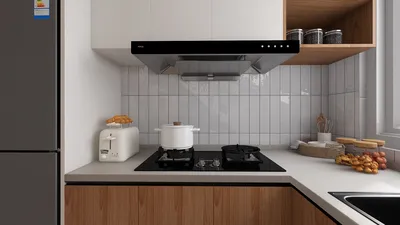


I recall a time I arrived at a client's apartment only to discover every wall was coated in a strange sticky residue — the owner had been cooking fish in what could hardly be termed a full kitchen. That experience taught me a critical lesson: one cannot simply paint over dirt and expect miraculous results. In my early career, I painfully learned that thorough cleaning significantly enhances both the appearance and durability of paint. Furthermore, small areas can inspire innovative ideas when you realize just how transformative a clean wall can be. To visualize these concepts, consider checking out a genuine project where I applied these principles: actual project.
1. Begin with dust and dry cleaning
I kick off the process with either a broom-soft brush or a vacuum equipped with a brush attachment to eliminate cobwebs and loose dust. This step, though seemingly minor, prevents grit from becoming visible and saves significant time later; just remember, it’s tempting to skip this, but don’t!
save pin
2. Utilize a mild all-purpose cleaner
For routine dirt, a warm solution made of dish soap and water works wonderfully. Make sure your sponge is thoroughly wrung out and clean from top to bottom in sections; it’s budget-friendly, effective, and safe for most paint types. However, if your paint is flat or particularly aged, it’s wise to test on a hidden area first, as excessive scrubbing may dull the finish.
save pin
3. Break down grease with a degreaser
Kitchens and areas around vents often need a more aggressive method: a degreasing cleaner or a substitute for trisodium phosphate (TSP). I remember prepping a small galley kitchen where the owner was frustrated with paint peeling — after a deep degreasing followed by rinsing, the fresh paint adhered perfectly. For ideas on arranging cleaned spaces before applying paint, I recommend exploring a small-space kitchen example: small-space kitchen example. While it does require additional time and protective equipment (such as gloves and good ventilation), the investment is worthwhile for long-lasting results.
save pin
4. Address mold and mildew safely
If you encounter black or green spots, a diluted bleach solution (one part bleach to three parts water) or a specialty mildew cleaner will work effectively when scrubbed gently. I always ensure to wear eye protection and ventilate the area; if mold persists, it might indicate a need to remedy a moisture issue before repainting — an often overlooked, yet crucial consideration.
save pin
5. Rinse, repair, and allow adequate drying time
Rinse with clean water to eliminate any remnants of cleaner, patch up holes with lightweight spackle, sand smooth, and let the walls dry for at least 24 hours in a warm, ventilated space. To envision the ultimate appearance, I frequently compare the cleaned wall against a 3D rendering of the newly designed room — quick visualization aids in deciding between primer and direct paint application: 3D render. The challenge lies in exercising patience, as rushing the drying stage is a key reason for paint bubbling or peeling.
save pin
FAQ
1. How long should walls dry before painting?
I suggest allowing at least 24 hours under normal indoor conditions; in high humidity, this may extend to 48 hours. Painting over damp walls can jeopardize adhesion.
2. Is bleach safe for cleaning painted walls?
Using diluted bleach (one part bleach mixed with three parts water) is acceptable for mildew removal, provided you ventilate the area well and rinse thoroughly. Always perform a test in a less visible spot first to confirm it won’t damage the finish.
3. Is TSP essential?
TSP or its alternatives are particularly effective for heavy grease and smoke marks; for lighter stains, soap and water typically suffice. TSP requires protective gloves and a careful rinse afterwards.
4. Should I prime after cleaning?
If you’ve eliminated stains, repaired exposed plaster, or used a strong cleaning agent, applying a primer is highly recommended to seal the surface and improve the paint's bond.
5. How should nicotine stains be treated?
Nicotine stains can be persistent; it’s best to utilize a stain-blocking primer after cleaning and consider using a degreaser initially. This approach prevents bleed-through and yellowing over time.
6. Can I wash wallpapered walls?
Generally, wallpaper should not be soaked; instead, use a dry sponge or a wallpaper cleaner as per the manufacturer’s guidelines. Often, removing old wallpaper is a better long-term solution.
7. What precautions should I take regarding lead paint?
For homes built prior to 1978, it’s crucial to test for lead before sanding or aggressive cleaning. The U.S. EPA offers guidance on lead-safe practices that should be consulted: https://www.epa.gov/lead.
8. Any budget-friendly tips?
Use regular dish soap for most cleaning tasks, consider renting a wet/dry vacuum if you anticipate substantial sanding debris, and make it a point to tackle the most problematic areas — you can achieve professional-grade results without the professional cost.
save pin
Homestyler is your go-to online home design platform, perfect for anyone looking to create stunning interiors. With its user-friendly design tool, breathtaking 3D renderings, and a wealth of inspiring design projects and video tutorials, you can effortlessly bring your home ideas to life.
지금 무료로 디자인하세요
































