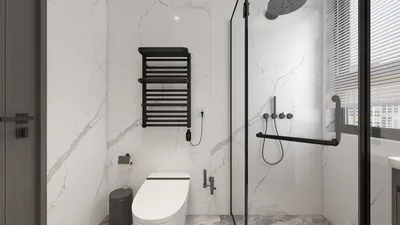


I once assisted a client convinced their bathroom was haunted by ghostly rice — to my surprise, it was actually tiny white maggots hiding behind the vanity. This experience taught me that even minor plumbing or ventilation oversights can lead to considerable issues. Designing for small spaces often ignites innovative solutions, and this incident motivated me to create straightforward and effective fixes.
1. Enhance Ventilation and Airflow
Inadequate airflow can create damp environments ideal for maggots, which are often drain flies’ larvae or pantry moth larvae. I recommend upgrading exhaust fans and incorporating a passive vent at ceiling height to manage humidity control effectively. This approach not only minimizes pest problems but also reduces mold growth; however, it may come with a small initial investment and the need for an electrician's services.
save pin
2. Seal Gaps Around Fixtures
Cracks beneath vanities, around plumbing, and behind baseboards act as highways for larvae. Applying caulk and adding toe-kicks or back panels can eliminate these entry points. It's an inexpensive and immediate relief solution, though reaching tight spaces may challenge your patience — I’ve found myself in some awkward positions while tackling this task.
save pin
3. Regularly Maintain and Clean Drains
Drains are frequently breeding grounds for pests. Employing enzyme-based cleaners along with drain screens can capture hair and organic matter, limiting food sources for larvae and keeping unpleasant odors at bay. This expense is minimal for ongoing maintenance, but if there’s considerable buildup, enlisting a plumber for a thorough cleaning may be necessary.
save pin
4. Opt for Pest-Resistant Materials
Utilizing non-porous materials for vanity interiors, waterproof cabinetry, and sealed grout can significantly reduce moisture buildup. In one case, I assisted a family in replacing particleboard under their sink with marine-grade plywood, which drastically decreased pest infestations. While this may slightly raise material costs, the long-term benefits of peace of mind are invaluable.
save pin
5. Revise Layout for Improved Accessibility
Reorganizing a cramped space for easier cleaning can prevent future infestations. Elevating the vanity or incorporating removable panels may streamline inspections. Although this can be a more extensive project, it ultimately saves time in deep cleaning and enhances the overall freshness of your bathroom.
save pin
Tips 1:
When planning adjustments and visualizing new arrangements, I often create rough sketches and utilize tools like 3D planners, such as Homestyler, to explore the new layout before making final decisions. For a practical illustration of layout-focused solutions, consider using a kitchen layout planner which can provide inspiration for bathroom modifications.
save pin
FAQ
Q: What do tiny white maggots in the bathroom usually signify? A: They are commonly drain fly larvae or similar moisture-loving insect larvae that feed on organic waste; identifying the source is crucial.
Q: How quickly can sealing gaps reduce their numbers? A: You could observe a decline within days, but combining sealing with thorough cleaning ensures a comprehensive solution.
Q: Is it necessary to use chemical sprays? A: Generally not — targeted cleaning, traps, and moisture control tend to be more effective than widespread sprays and safer for indoor environments.
Q: Can enhancing ventilation alone resolve the issue? A: It significantly aids, but should always be combined with drain cleaning and gap sealing for full effectiveness.
Q: When should I seek professional help? A: If pest issues continue despite DIY efforts, it’s advisable to call in a plumber or pest control expert to identify hidden leaks or breeding areas.
Q: Do material choices impact prevention efforts? A: Absolutely — utilizing non-porous, water-resistant materials minimizes concealed damp areas conducive for larvae breeding.
Q: Where can I find reliable information on drain flies? A: The CDC offers comprehensive advice on household pests and sanitation, which can be accessed at https://www.cdc.gov/healthywater/other/faq/index.html
Q: Can layout planning tools assist with this issue? A: Definitely — employing a 3D floor planner like Homestyler to develop accessible and easy-to-clean designs simplifies long-term pest prevention.
save pin
Looking to transform your home? Homestyler is the ultimate online design platform! With its user-friendly design tool, stunning 3D renderings, a wealth of design projects, and helpful video tutorials, you can effortlessly create and visualize your dream space—no experience needed!
Diseño ahora GRATIS
































