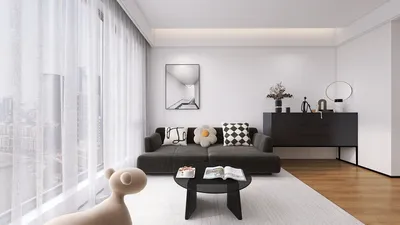


Walking into a client's living space, I thought the fresh paint would elevate the ambiance—until a greasy smudge halted my progress, teaching me an important lesson. Even minor residues from cooking or smoking can cause paint to fail. Now, I approach wall preparation with reverence before embarking on a painting project. If you wish to preserve your newly painted look and make colors truly vibrant, I’ll share my straightforward techniques for small spaces that can easily be expanded—and how to visualize everything in 3D with Homestyler, pinpointing where your prep work is crucial.
1. Conduct a thorough inspection
Examine the room under good lighting with a damp microfiber cloth; I frequently spot fingerprints, soot, or peeling paint that I would overlook from afar. Understanding whether you're facing grease, chalky paint, or mold is vital—grease demands a degreaser, chalky paint needs a binder, and mildew requires a fungicide.
save pin
2. Begin with dry cleaning: dust and vacuum
Before introducing any cleaning liquids, I eliminate loose dust using a vacuum equipped with an extendable brush, particularly in the corners and along the ceilings where cobwebs tend to accumulate. Although this step is mundane, it’s cost-effective: reducing grime in your cleaning mix leads to fewer streaks and a more authentic final appearance.
save pin
3. Select the appropriate cleaning solution
For the majority of interior walls, I typically use a gentle dish soap mixed with warm water or a sugar soap designed for painted surfaces; for stubborn kitchen grease, a TSP alternative is more effective. When planning your complete repaint, sketching a simple floor plan helps identify high-touch areas—like spaces behind stoves and doorways—that require extra effort.
save pin
4. Conduct a spot test, scrub gently, and rinse
I always perform a spot test in inconspicuous places before extensive scrubbing—older paint can be delicate. Utilize a soft sponge and work from top to bottom in sections; then rinse with clean water and a new cloth. Neglecting the rinse is a common oversight that can leave a residue, hindering new paint adhesion.
save pin
5. Address tough stains, then sand and prime
For dealing with stains from ink, markers, or nicotine, I apply targeted cleaners or a mild solvent, followed by fine sanding once dry to prepare the surface. After cleaning and sanding, I recommend an application of a stain-blocking primer to seal any lingering stains—this minor added expense can prevent major touch-ups later and may even inspire new color choices using layout concepts powered by Homestyler.
save pin
FAQ
Q1: What is the best household cleaner to wash walls before painting?
A1: A mixture of mild dish soap and warm water is effective for most painted walls; for heavy grease, opt for a TSP substitute. Always rinse thoroughly to eliminate any residue that might compromise paint adhesion.
Q2: Should I use gloves and ensure proper ventilation?
A2: Absolutely—gloves shield your skin from cleaning agents and solvents, while proper ventilation facilitates the dissipation of fumes, particularly when using potent degreasers or mold treatments.
Q3: How long must walls dry before painting?
A3: After washing and rinsing, you should allow at least 24 hours for walls to dry completely under normal conditions; high humidity may necessitate a longer wait to prevent paint bubbling.
Q4: Is it advisable to use bleach for mold removal before painting?
A4: While bleach can kill surface mold, it might not penetrate porous materials effectively; a specialized fungicidal cleaner is often a better choice. For significant mold problems, it’s essential to address moisture sources first.
Q5: Is TSP safe for indoor use?
A5: TSP and its alternatives are potent but can be harsh; always adhere to label instructions, use gloves, and ensure good ventilation. In older homes that may have lead paint, avoid aggressive sanding and seek professional advice.
Q6: How should I treat gloss or alkyd-painted walls?
A6: Glossy surfaces require deglossing (either gentle sanding or utilising a specific liquid deglosser) prior to priming to ensure adequate bonding of the new paint.
Q7: When is it appropriate to consult an expert about wall contamination?
A7: If you suspect the presence of lead paint (especially in homes built pre-1978 in the U.S.), extensive mold, or chemical contamination, it’s advisable to hire a certified professional to evaluate risks and recommend remediation.
Q8: Where can I find official guidance on safe renovation and painting practices?
A8: Definitely—the U.S. EPA’s Renovation, Repair, and Painting (RRP) Rule offers expert guidance on lead-safe work practices for older homes: https://www.epa.gov/lead/renovation-repair-and-painting-program
save pin
Discover the ease of home design with Homestyler! This user-friendly platform offers a powerful online design tool, stunning 3D renderings, and a wealth of DIY video tutorials. Whether you're a novice or a pro, Homestyler will inspire your creativity and help you transform your space effortlessly!
Design Now for FREE
































