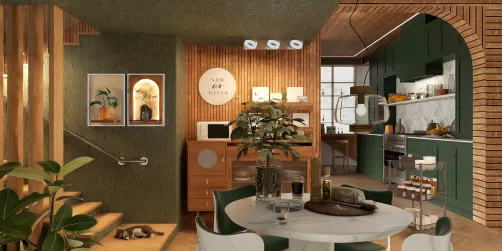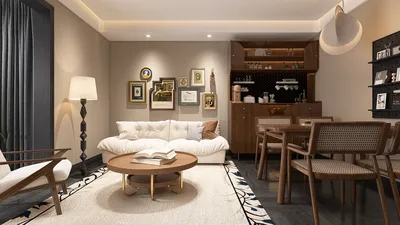


I once persuaded a client that a sizable 40 x 54 painting would truly enhance their compact eat-in kitchen. After purchasing it and measuring twice, I learned the hard way that factors like scale, lighting, and the wrong frame could transform a potential showpiece into visual chaos. This experience taught me to always take a step back, create mock-ups, and sometimes approach the design with a curator's mindset. I often encourage clients to use tools like Homestyler to "visualize the dining composition" before committing to any wall alterations.
1. Make it the focal point
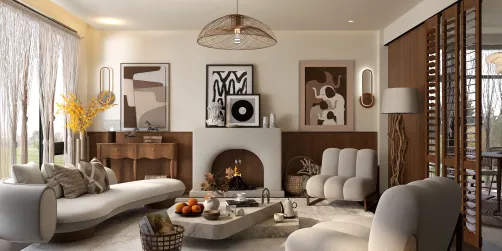
When you feature a 40 x 54 piece of art, treat it as the centerpiece of attention: position it directly above the dining table and allow the surrounding chairs to complement its visual importance. This not only creates an immediate drama but also simplifies the space by minimizing competing elements. The key is to ensure that the artwork does not overshadow the dinnerware—opt for a minimal table runner and an understated centerpiece.
save pin
2. Consider your vertical space
I always recommend leaving a gap of 6–12 inches between the table and the bottom of the frame for comfortable viewing and to avoid a cramped appearance. This spacing maintains clear sightlines during meals; if your ceilings are lower, consider using slim frames or a floated mount to give a sense of height to the artwork.
save pin
3. Incorporate lighting and texture
Large artworks thrive under thoughtful lighting. A single directional picture light or an adjustable recessed lamp can enhance colors while minimizing glare. For instance, in a recent project, I replaced a pendant light with layered lighting, and suddenly that same 40 x 54 piece felt much cozier. Just be cautious of reflections on glass and don’t forget to include a dimmer for a better evening atmosphere.
save pin
4. Add subtle supporting elements
If the wall feels sparse, consider incorporating smaller framed artworks, narrow shelves, or sculptural sconces to form a curated collection that enhances rather than competes with the main piece. This strategy maintains a dynamic feel in the room, but it requires careful spacing and consistency in framing to ensure it looks cohesive.
save pin
5. Ground with rugs and textiles
Anchor a large artwork with a rug and coordinated textiles, focusing on color harmonization or a tonal palette. This allows the eye to transition smoothly from the painting to the table and down to the floor. In a recent redesign of a small dining area, I used a low-pile rug and matched the napkin tones, tying the artwork seamlessly into the daily experience. Be mindful of the scale and pattern to ensure the rug complements the artwork instead of competing with it. For more engaging mockups, I often utilize Homestyler to plan and visualize the final arrangement.
save pin
FAQ
Q: Is a 40 x 54 painting too large for a standard dining room wall?
I typically advise measuring the wall and leaving at least 6–12 inches of clear space on both sides of the frame when centering it above the table. If that’s not doable, consider stacking vertically or framing the visual with trim or molding for a polished look.
Q: What’s the best height for hanging dining room art?
A widely accepted guideline is to center artwork at approximately 57 inches from the floor—this is considered 'museum eye level' so it looks good both from a seated position and when viewed from across the room. Many galleries, including MoMA, consistently use this standard.
Q: Should I center a large painting on the wall or above the table?
It's usually more effective to position the art directly above the dining table, as the table serves as an anchor for the seating and gives the artwork a more intentional placement. For asymmetrical furniture arrangements, center the artwork relative to the primary focal point instead.
Q: Is it better to use glass or no glass for large dining room art?
For sizable pieces, I prefer using unframed canvas or anti-reflective glazing to minimize glare from overhead lights. While glass can protect delicate works, it might cause glare—consider using museum-grade glazing in high-traffic, well-lit areas for optimal results.
Q: How do I choose a frame style for a statement piece?
If the artwork is intricate, keep the frame simple. On the other hand, for monochrome or minimalist pieces, opt for a slightly more robust frame. A budget-friendly option would be to paint a plain frame in a color pulled from the artwork for a cohesive look.
Q: Can the rug influence how the artwork is perceived?
Definitely—area rugs play a significant role in anchoring the space and can reflect colors or tones that harmonize with the painting. However, avoid bold patterns that may overshadow the art. I match the texture and scale of the rug to the furniture, allowing the artwork to dictate the color narrative.
Q: Any advice for dining rooms that open into kitchens?
Maintain a consistent visual flow between the two areas: choose one recurring accent color and balance the scale to prevent the art from feeling isolated. For integrated designs, I often reference a compact kitchen model on Homestyler to ensure visibility and proportions work harmoniously across both zones.
Q: How much should I budget for mounting and lighting?
Plan to allocate around 5–10% of the artwork’s value for professional hanging and appropriate lighting; investing in affordable lighting enhancements can significantly elevate the overall impact without stretching your budget too thin.
What began as an Autodesk innovation has evolved into a design platform used by more than 20+ million registered users (platform data, 2026) around the globe. Homestyler combines powerful rendering, an intuitive editor, and a vast furniture library to help you turn inspiration into photorealistic designs — whether you're redesigning a single room or planning an entire home.
Homestyler is your go-to online home design platform! With its user-friendly design tool, stunning 3D renderings, and a wealth of DIY video tutorials, you can effortlessly create and visualize your dream spaces. Transform your home design ideas into reality today!
지금 무료로 디자인하세요









![[For dear Adelina madee 🤎]](https://hs-designs.homestyler.com/production/design/images/8a07e535-9cbc-4132-a42a-5932dac3a112/1706972286037.jpg?x-oss-process=image/resize,w_502,m_mfit/format,webp)