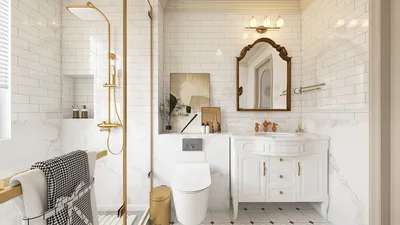


I once dealt with a homeowner who was adamant about painting their 1950s den in a bright neon coral to "brighten up the tax bills." After some negotiation, we settled on a warm terracotta shade, which taught me a great deal about painting wooden paneling. I've discovered that smaller panels can lead to impressive design outcomes. When redesigning an inviting area, my process typically begins with evaluating the paneling, as it can either be a challenge or a stylish feature.
1. Sleek and contemporary: fill, prime, and matte finish
If your intention is to remove the vintage vibe and create a sleek, modern wall, start by filling in the grooves, lightly sanding, and applying a high-performance primer. This method provides a clean, modern backdrop, though it requires additional labor and material expenses — anticipate more putty and sanding time.
Tip: I recommend using an eggshell or low-sheen latex for walls to ensure light reflects uniformly; for durability in high-traffic areas, keep trim in a semi-gloss finish.
save pin
2. Embrace the grooves: highlight with contrast
Rather than concealing the grooves, I occasionally opt for painting them in a subtle contrasting color, either darker or lighter. This approach turns the panel rhythm into a design feature, adding texture without the need for carpentry. It works particularly well in narrow corridors, where vertical lines create an illusion of depth.
Small challenge: a steady hand or precise taping is required to maintain clean edges, but the visual benefits are substantial and budget-friendly.
save pin
3. Dual-tone elegance: darker base, lighter upper
Applying a richer color to lower panels and a lighter shade to the upper walls gives rooms a grounded and polished appearance — a technique I executed in a compact kitchen for added depth without cramped feeling. Additionally, it safeguards lower walls from scuffs, especially if you choose a more easily washable paint finish below.
To visualize how this contrast interacts with cabinetry, consider using a 3D modeling tool like Homestyler, allowing you to adjust proportions before committing to paint choices.
save pin
4. Whitewashing or pickling: maintain grain visibility
If the wood grain is attractive, a diluted white or pickling wash preserves warmth while offering a modern touch. This technique is less permanent than opaque paints and allows for flexibility if you decide to cover it entirely later on.
Note: it may not completely mask stains or knots, so plan for additional coats or spot treatments in problematic areas beforehand.
save pin
5. Striking feature wall: embrace color and coordinate trim
One of the boldest choices can be painting an entire panel wall in a deep, rich color while coordinating the trim — this creates a curated and intentional look. I like to pair colored paneling with simplified furniture to let the wall serve as the focal point of the space.
If you're redesigning a kitchen, integrating painted panels with your overall layout can be enlightening — often, I utilize quick layout experiments within Homestyler to assess how the color balance influences the placement of cabinets and islands.
save pin
FAQ
1. Can I paint over existing wood paneling?
Yes, as long as you prepare it properly. Clean, degrease, lightly sand, and always apply a suitable primer to enhance paint adhesion.
2. Is sanding paneling necessary before painting?
Light sanding assists with primer and paint adhesion, particularly with glossy finishes. For very smooth or varnished panels, scuff-sanding is advisable.
3. What type of primer is best for paneling?
Use a high-bonding latex primer or a shellac-based primer for problematic surfaces. It's suggested to select a quality primer designed specifically for wood surfaces to ensure optimal adhesion.
4. Should I smooth out grooves to create flat-looking panels?
Smoothing out grooves results in a sleek contemporary wall but may require extra labor and materials. If you appreciate the texture, consider emphasizing the grooves instead.
5. Which paint finish is ideal?
Eggshell or satin finishes for wall areas provide a soft appearance and are easier to clean than flat finishes. Semi-gloss is preferable for trim and high-contact surfaces due to its durability.
6. How much does it cost to repaint a typical room?
Expect costs to vary: DIY projects with primer and two paint coats might range from $150-$400 for materials in a small room; hiring professionals for prep and filling may increase labor costs depending on complexity.
7. When can I return furniture to a freshly painted room?
Refer to the paint manufacturer's recommendations for re-coating and curing times; most latex paints allow for gentle rearrangement after 24-48 hours and full curing takes 1-2 weeks.
8. Do you have quick tips for updating a rental space?
Consider applying removable wallpaper over paneling or using peel-and-stick paint-friendly solutions. Alternatively, a light neutral coat over paneling refreshes the space without risking permanent stylistic changes.
save pin
Discover the joy of home design with Homestyler! This user-friendly platform offers a fantastic online design tool, stunning 3D renderings, and a wealth of design projects and DIY video tutorials. Unleash your creativity and transform your space effortlessly, no experience needed!
Design Now for FREE
































