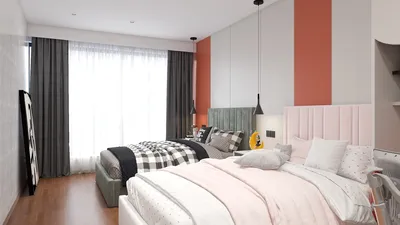


In my experience, attempting to install a chandelier in a low-ceiling living room for a client who believed it would enhance the height of the space became quite a lesson — it ended up resembling a hat. This mishap highlighted the importance of understanding proportions and utilizing light effectively. Through over a decade of various projects, I've discovered how the right lighting can significantly rejuvenate a living room, with tools like Homestyler aiding in design planning.
1. Dimmable Overhead Lighting as a Base Layer
I always begin with a dimmable overhead light fixture as the foundation. Options like recessed or semi-flush lighting provide consistent ambient illumination and, when combined with a dimmer switch, enable mood adjustments from bright cleaning mode to a cozy movie atmosphere. This approach is straightforward and adaptable; however, to prevent a flat appearance, I combat this by introducing additional lighting layers.
save pin
2. Accent Lighting for Art and Texture Emphasis
Accent lighting, such as picture lights, directional spots, or wall washers, enhances the presence of artwork, shelves, and textured walls. For instance, I employed wall washers in a compact apartment to transform a ribbed plaster wall into a visual focus without occupying floor space. While this may require extra wiring or track installations, the stunning outcome justifies the effort.
save pin
3. Floor and Table Lamps for Versatile Spaces
My preferred choice for reading nooks and adaptable seating areas is using floor and table lamps. These fixtures add warmth and help create intimate lighting clusters. They do not need hardwiring, which is particularly advantageous for renters. However, it’s essential to manage cords and ensure the lamp proportions correspond with the surrounding furniture.
save pin
4. Cove and LED Strip Lighting for Soft Ambience
Utilizing cove lighting or concealed LED strips positioned behind cabinets and under shelves creates a gentle, floating effect that visually elevates ceilings and masks lighting sources. In one project, I installed LED strips above a media unit, giving an illusion of a floating TV. This approach is energy-efficient and contemporary, but careful installation and selecting the correct color temperature are vital to avoid an amateur appearance.
save pin
5. Smart Bulbs and Scene Control for Convenience
Smart bulbs and scene control systems allow for instant adjustments in color temperature and brightness to match various activities. In a renovation project, I created ‘dinner’ and ‘movie’ scenes that my clients found exceedingly useful. While it’s crucial to consider potential ecosystem lock-in and connectivity issues, the benefits of flexibility and energy efficiency are substantial.
save pin
Practical Tips:
One effective strategy is to maintain a consistent color temperature (2700K–3000K for warm living spaces) and layer different types of lighting — ambient, task, and accent — to add depth. If you’re creating layouts, I often utilize design tools such as Homestyler to visually experiment with fixture placement.
save pin
Frequently Asked Questions
Which lighting layers work best for a living room?
Incorporating three layers of lighting is ideal: ambient (overhead), task (reading lamps), and accent (highlighting art or architecture). The combination fosters depth and offers flexibility in lighting.
How can I select the appropriate color temperature?
For inviting living rooms, aim for warm white (2700K–3000K). Cooler shades (3500K–4000K) are better suited for modern, high-contrast environments, but can create a sterile feel if overused.
Is it possible to retrofit LED bulbs into existing fixtures?
Absolutely! Most fixtures can accommodate LED retrofit bulbs or modules. Just ensure compatibility regarding dimming and size prior to installation.
Are smart bulbs a worthwhile investment?
Smart bulbs provide convenience through scene control and energy savings. Just keep in mind the app ecosystems and potential connectivity challenges.
What’s the right brightness level for my living room?
Aim for a total of around 1,500–3,000 lumens for a standard living room, distributing the light across various layers rather than relying on a singular bright source.
How can I minimize glare on the TV?
Position lighting to the side or behind the TV, and utilize dimmers or indirect lighting. Avoid strong overhead lights that shine directly onto the screen.
Do I need an electrician to install recessed lighting?
If new wiring or ceiling alterations are required, it’s best to hire a licensed electrician. However, swapping light bulbs or installing plug-in fixtures can typically be managed by yourself.
Where can I find examples of professional room layouts?
For visualizing lighting and furniture arrangements, I often refer to comprehensive planning examples, such as the free floor plan creator offered by Homestyler, which assists in bringing design ideas to life.
save pin
Homestyler is your go-to online home design platform, perfect for both novices and seasoned decorators. With its easy-to-use design tool, stunning 3D renderings, a wealth of design projects, and informative video tutorials, you can effortlessly transform your space into a dream home. Start designing today!
Design Now for FREE
































