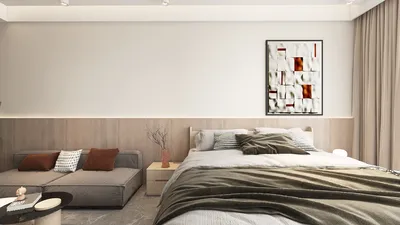


Immediate Solution
When your intimate house gathering suddenly feels congested, the quickest remedy involves redistributing attendees, opening up alternative social areas, and eliminating physical obstructions such as clustered furniture or obstructive snack tables. Minor rearrangements and subtle hosting signals can encourage guests to disperse naturally, instantly easing crowding in the main space.
Key Points to Remember
Overview
Every host eventually faces a familiar situation: the atmosphere is lively, conversations flow freely, but suddenly the limited space feels cramped. Guests are pressed together in the living room, some linger at the beverage station, and movement slows significantly.
Through years of designing and analyzing residential entertaining zones, I've discovered that what often appears as overcrowding isn't due to too many guests but rather inefficient layouts—tight seating clusters, blocked walkways, and social magnets pulling everyone into one area.
Curious about how experts create layouts that encourage smooth guest circulation? This guide explaining how to design party-friendly spaces shares effective strategies.
This article highlights quick fixes usable during your event and strategic layout tips to prevent crowding before it starts.
save pin
Recognizing When Your Party Space Is Overcrowded
Core Insight: Overcrowding tends to arise when circulation grinds to a halt, not merely when the room reaches its maximum capacity.
Comfortable movement in homes usually requires at least 30 to 36 inches of clear passage. If guests occupy these paths, the environment immediately feels much smaller.
Early indicators often include:
In several events I’ve assisted with, the living room seemed packed with only 18 people, despite seating for 30. The problem wasn’t the number of guests but rather their tendency to converge into a single seating cluster.
Easy Techniques to Spread Guests Throughout Your Home
Fundamental Understanding: People seldom change spots unless their surroundings encourage them to do so.
Simply instructing guests to spread out rarely yields results, while gentle environmental hints prove more effective.
Here are some rapid redistribution strategies favored by hosts and event coordinators:
Within moments, guests naturally migrate to new areas without forced direction.
save pin
Establishing Temporary Social Zones
Fundamental Understanding: A bustling party feels more spacious when at least three social zones are available.
Top hosts think in terms of "social zones" rather than fixed rooms. Each zone facilitates different types of interactions.
Effective examples for compact homes include:
If the layout of your residence isn’t intuitive, planning traffic flow in advance with an interactive 3D home layout planner like Homestyler helps identify ideal spots for additional gathering spaces.
In numerous small apartments, simply adding a portable bar cart and lighting to the dining area transforms it into a lively secondary gathering point.
save pin
Addressing Bottlenecks Caused by Food, Beverages, and Traffic
Fundamental Understanding: Food stations often cause the worst congestion because they combine queuing, chatting, and refilling in one spot.
The solution is simple yet effective: distribute resources across multiple locations.
Rather than relying on a single central station, try:
Event planners call this approach "decentralizing service points"—a technique that drastically reduces crowd density and enhances flow.
save pin
Soothing the Atmosphere Without Ending the Celebration
Fundamental Understanding: Sometimes the feeling of overcrowding stems from energy levels exceeding what the space can comfortably contain.
Smaller areas amplify noise and movement intensity. As volume increases, guests huddle closer, increasing the sensation of tightness.
Consider these subtle tweaks:
These modifications help lower energy just enough for the room to breathe again.
Answer Section
The swiftest method to alleviate a cramped house party is to redistribute attendees, add extra social zones, and relocate food or drink areas away from choke points. Adjusting the layout is more effective than reducing the guest list.
Avoiding Overcrowding in Future Events
Core Insight: Proper circulation planning before guests arrive is the best defense against a cramped gathering.
When preparing your home for guests, I follow this straightforward checklist:
If you experiment with different arrangements before the event, tools like Homestyler’s floor plan creator assist in visualizing guest movement and preventing bottlenecks.
Conclusion Summary
Frequently Asked Questions
What is the best approach when my small house party feels overcrowded?
Open multiple social areas, relocate food and beverages, and gently encourage guests toward less congested spaces.
How many people comfortably fit in a small house party?
A good rule of thumb is approximately 10 to 15 square feet per standing guest, but thoughtful furniture placement greatly impacts comfort.
How can I handle an overcrowded party without awkwardness?
Use environmental cues such as lighting, playlist adjustments, and drink availability to encourage movement, avoiding direct instructions.
Why does my gathering feel cramped even with only a few guests?
Poorly arranged furniture and blocked pathways can make spaces feel tight despite low attendance.
What typically causes traffic jams at parties?
Single drink stations, narrow corridors, and furniture clusters near doorways are common bottlenecks.
How do I distribute guests evenly throughout a small home?
Create multiple activity centers such as beverage areas, chatting corners, and quiet seating zones.
Is rearranging furniture an effective quick fix for cramped parties?
Absolutely. Removing even a small table or chair can immediately open pathways and ease movement.
What's the fastest fix for a jam-packed house party?
Redistributing guests and relocating high-traffic stations to separate rooms works best.
References
Residential space planning guidelines from the American Society of Interior Designers.
Layout strategies for entertaining from Architectural Digest.
What began as an Autodesk innovation has evolved into a design platform used by more than 18 million people around the globe. Homestyler combines powerful rendering, an intuitive editor, and a vast furniture library to help you turn inspiration into photorealistic designs — whether you're redesigning a single room or planning an entire home.
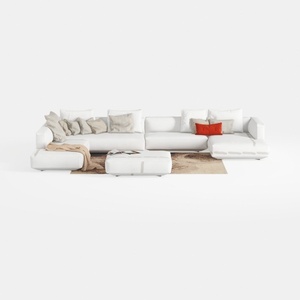
Minimalist White Fabric L Shaped Sectional Sofa with Ottoman 3D Model
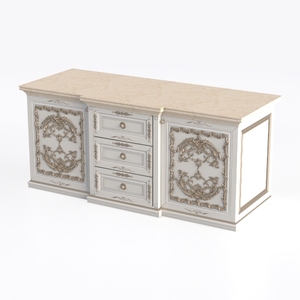
French Vintage Marble Top Ornate Carved Wood Sideboard 3D Model

Modern White Leather L Shape Sectional Sofa 3D Model
Homestyler offers an easy-to-use online design tool with stunning 3D renderings, inspiring design projects, and helpful DIY video tutorials—perfect for bringing your home design ideas to life quickly and creatively.
지금 무료로 디자인하세요
































