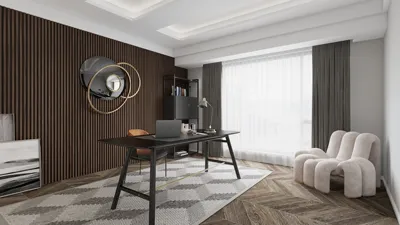


I once had a client who insisted that the walls of their rental property remain untouched — no nails or holes allowed — yet they wanted the dramatic flair of a gallery wall. This situation taught me to think on my feet quickly, sketching concepts and presenting 3D renderings to help them envision the final design without the need for any drilling. Such limitations often inspire the most creative solutions, and figuring out how to hang art without nails represents a delightful little challenge that fosters innovation.
1. Command-style adhesive strips (my favorite for smaller artworks)
For lightweight frames weighing between 4–8 lbs, adhesive picture hanging strips are a game changer: they are almost invisible, clean, and perfect for renters. The advantages include no damage to the walls and easy repositioning. However, keep in mind that there are strict weight limits and these require perfectly clean, dry surfaces — I always clean the area first with isopropyl alcohol.
2. Picture ledges and leaning art (no wall damage whatsoever)
When there's enough floor space, a slim picture ledge or simply leaning art against a console table not only adds style but also avoids damaging the walls completely. I've successfully implemented picture ledges in compact living rooms to create dynamic displays that are easy to update; they do come at a cost but allow you to showcase heavier canvases without any adhesive.
3. Tension-rod galleries and wire hanging systems (smart, temporary solutions)
For areas like bay windows or narrow spaces between walls, using a tension rod with clips or a wire creates an organized, adjustable gallery. I applied this technique in a studio setting to showcase a series of small canvases — it’s adaptable and rental-friendly, although heavier items still require rated clips and periodic retightening. Combining this with digital tools like Homestyler for creating mood boards helps me visualize the arrangement before making any installations.
4. Magnetic plates and metal backs (sleek and contemporary)
By placing a thin metal plate behind the artwork or attaching a small metal disc to the frame, you can use strong magnets on the wall. This setup offers a modern aesthetic that surprisingly holds well and makes it easy to change out art, but it’s advisable to test the strength of the magnets and avoid overly heavy frames.
5. Heavy-duty double-sided tape, Velcro strips, and planning advice
For mid-weight pieces, robust double-sided tape or industrial-strength Velcro can be effective — just ensure to check the product’s weight limits and perform a test on a discreet area first. I prefer sketching placements and utilizing simple tools such as a level and painter's tape; if arranging several pieces, printing templates or utilizing free floor plan tools can assist in mapping out the gallery on the floor prior to committing to the wall.
FAQ
Q1: Can Command strips really support a heavy piece of art?
Typically no — most Command picture hanging strips are rated for up to around 4–8 lbs per set; anything heavier will necessitate multiple sets or different techniques. Always adhere to the manufacturer's weight recommendations and use several strips for larger frames.
Q2: Will adhesives damage painted walls?
High-quality removable strips are designed to come off cleanly, but older or freshly painted surfaces may be more susceptible. It’s wise to test in a hidden area first and refrain from removing the adhesive in high humidity or extreme cold conditions.
Q3: How can I hang large or heavy canvases without using nails?
For particularly heavy pieces, avoiding mechanical fixings is risky; options like picture ledges or floor-leaning displays could be suitable, or consult a professional about non-intrusive support systems. In rental properties, leveraging furniture anchoring points behind the piece can also provide security.
Q4: Are there magnetic systems that are safe for delicate artwork?
Absolutely — there are museum-grade magnetic hanging systems available that use plated steel and strong magnets to securely hold canvases. Just ensure that the magnets are non-corrosive and test on a sample to prevent any damage to surfaces.
Q5: How should I prep the wall for adhesive hangers?
To prepare, clean the wall with isopropyl alcohol and allow it to dry completely; avoid using household cleaners that could leave residues behind. Additionally, steer clear of textured or porous walls where the adhesive may not adhere effectively.
Q6: Do temperatures impact how adhesives perform?
Yes, both heat and humidity can degrade adhesive performance over time, while very cold conditions can make them brittle. For optimal results, it’s best to apply them at room temperature and keep the artwork away from direct sunlight or heat sources.
Q7: Where can I find specific weight limits for products?
Refer to the manufacturer's website for accurate specifications; for instance, 3M’s Command strips provide weight ratings listed on their product pages and accompanying instructions. It’s essential to adhere to those guidelines for safety.
Q8: Any quick staging tips to reduce trial-and-error?
Utilize paper templates, painter's tape, or arrange pieces on the floor in the desired configuration initially — this will save time and prevent repeated reapplication of adhesives. Making minor adjustments upfront leads to a clean and confident final installation.
Built on technology originally developed at Autodesk, Homestyler empowers anyone to design beautiful, realistic spaces in minutes. Join over 18 million users who have already discovered a smarter way to plan, visualize, and bring their dream homes to life — all from the comfort of a browser.
Looking to transform your space? Homestyler is your go-to online home design platform! With its user-friendly design tool, stunning 3D renderings, diverse design projects, and helpful video tutorials, you'll effortlessly create the home of your dreams—no experience needed!
Projete agora para LIVRE
































