

I once displayed a large abstract piece above a small sofa, and the entire living area seemed to come alive — that is until my cat discovered it was an exciting new climbing opportunity. I chuckled, learned to lower my artwork, and found that even compact spaces can ignite grand ideas. To map out scale and sightlines, I often utilize a 3D floor planner, like Homestyler, to prevent common blunders and experiment with layouts before making any modifications.
1. Layered neutrals with a bold color accent
I adore a gentle neutral color scheme where an abstract artwork serves as the focal element. A subtle beige or gray wall adorned with varying textures allows a single pop of cobalt or terracotta to feel intentional and luxurious; the benefit is a serene flow, while the challenge is resisting the urge to introduce clashing colors.
save pin
2. Large canvas as a makeshift headboard
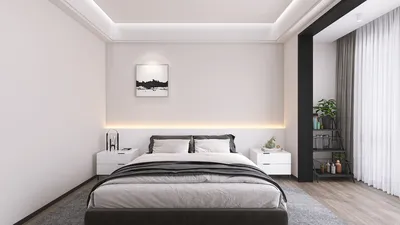
In studio apartments, I often hang a large abstract piece above the bed to function as a headboard — it introduces scale without bulky furnishings. It's an affordable option if you shop for prints or work with a local artist, but ensure you invest in a secure hanging system for safety.
save pin
3. Modular triptych for adaptable arrangements
Three-panel abstractions allow you to adjust the rhythm across walls or split them between living and dining areas. For open-layout homes, I often align art placements with the kitchen flow and employ a kitchen layout planner, such as Homestyler, to ensure sightlines are harmonious; the advantage is flexibility, but consistent spacing and mounting can be challenging.
save pin
4. Textured mixed-media as a tactile feature
Incorporating texture — think impasto, plaster, or fabric elements — adds depth to an abstract piece that cannot be captured in photos. This is an excellent option if you seek a statement artwork that appears different from various distances; however, consider the upkeep and dusting requirements that come with heavier textures.
save pin
5. Digital abstracts with a rotating display
For the tech-savvy, I recommend setting up a slim digital frame or tablet to showcase a rotating selection of curated abstract pieces, allowing the ambiance to evolve throughout the day. This is particularly beneficial for renters and trend enthusiasts, and combining rotating displays with an AI interior design moodboard can simplify palette testing — just be mindful that screens require calibration to mimic real prints.
Budget tip: Choosing prints and supporting local student artists can stretch your budget; investing in original mixed-media or sizable canvases can anchor the room beautifully. A practical suggestion: always visualize scale — a 60x90cm print can look diminutive on a 3m wall, and believe me, photos can deceive unless you verify proportions in the actual space.
save pin
FAQ
Q1: What size abstract painting should I choose for a small living room?
One straightforward guideline I follow is to select artwork that is 60–75% of the width of the furniture it hangs above. Achieving visual equilibrium is key, so measuring beforehand and using paper templates on the wall can help.
Q2: Is it acceptable to use prints if I can’t afford originals?
Definitely. High-quality giclée prints on textured paper can closely mimic originals while being more budget-friendly. The choice of frame and matting can significantly enhance the overall look.
Q3: How high should I display artwork above a sofa?
I typically position art so the center is about 145–155cm from the floor, but when it’s above a sofa, I often lower it so the bottom edge rests around 15–20cm above the back, creating a warm connection.
Q4: Can abstract art help make a small room feel larger?
Absolutely — horizontal pieces, light shades, and layered neutral tones can enhance the perception of space. Large-scale minimalist works reduce visual clutter, providing a sense of openness.
Q5: How can I protect abstract art from fading?
Employ UV-filtering glazing and minimize direct sunlight exposure. According to the Getty Conservation Institute, utilizing UV-filtering materials and controlling light exposure significantly slows color degradation over time.
Q6: Is it acceptable to hang multiple abstracts together?
Yes, combining works effectively is possible if they share a common color palette or rhythm. Maintaining consistent spacing and stepping back often ensures the artwork reads as a single cohesive installation.
Q7: How do I select frames for abstract paintings?
I favor simple, thin frames or float mounts that allow the artwork to breathe; ornate frames can distract from contemporary abstracts. Consider using a uniform frame style across a collection for added harmony.
Q8: How can I test art placement before purchasing?
Create life-size paper templates or photograph the wall, overlaying scaled images to visualize placement. Mockups save time and resources, and they prevent that awkward moment when an art piece just doesn’t fit.
save pin
Homestyler is your go-to online home design platform, perfect for bringing your creative vision to life. With its user-friendly design tool, stunning 3D renderings, inspiring design projects, and helpful DIY video tutorials, transforming your space has never been easier or more enjoyable!
Design Now for FREE
































