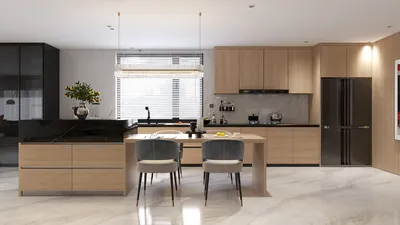


I've transformed spare bedrooms, corners of living rooms, and even areas in garages into efficient home gyms both for clients and myself. An effective DIY gym hinges on clever space arrangement, the selection of ergonomic equipment, and the right lighting and sound conditions—ensuring that workouts are focused, safe, and motivating rather than chaotic or harsh.
Research shows that our environment has a significant impact on performance. The WELL Building Standard (WELL v2) suggests optimal ambient light levels for focused activities should be around 300–500 lux with measures to control glare, while circadian lighting strategies can enhance energy and mood. Studies by Steelcase indicate that better environmental management leads to higher engagement in workspaces—principles that can be directly applied to home fitness, where comfort and control help establish routine and consistency. According to Verywell Mind, cooler colors like blue promote calm and concentration, while warmer tones like red can boost energy and intensity; I incorporate these elements with material choices and adjustable lighting.
Proper planning from the outset helps avoid expensive mistakes. Findings from Gensler highlight that distinct zoning can enhance task flow; in a home gym, creating designated areas for strength, mobility, and cardio can streamline transitions and minimize hazards. I calculate reach zones, walking spaces (at least 30–36 inches), and the footprint of equipment, then simulate circulation paths prior to any purchases. For visualizing clearances and movement, using a layout simulation tool like Homestyler can help map out bench press paths, yoga mat placements, and rack distances based on your room's dimensions.
Assess Your Space and Structure
Begin by measuring the dimensions, ceiling height, and the structural load capacity of your space. Many adjustable racks and cable systems require 7–8 feet of vertical clearance, and ceiling fans should be positioned outside of swing paths. Basements and garages usually have concrete slabs that can manage dynamic loads; rooms on upper floors might need load distribution techniques like thicker rubber tiles or plywood underlay to absorb vibration and protect subfloors.
Layout Strategy: Zone for Flow and Safety
I typically organize home gyms into three key areas: strength (racking, free weights), cardio (bike, rower, treadmill), and mobility (mat, foam roller). It's important to position free-weight areas away from door swings and windows; providing at least 6–7 feet of lateral space for barbells is essential. Cardio machines should have access to fresh air and visibility; mobility spaces benefit from calmer visual elements and softer lighting. The interior space planner can help evaluate the best placements: situating cardio near windows maximizes natural light, while keeping mobility equipment in the quietest spot minimizes distractions.
In compact spaces, I prefer foldable racks and wall-mounted storage solutions. Vertical storage for dumbbells and plates optimizes floor space; pegboards can keep bands and jump ropes organized. Ensure there is a minimum 36-inch corridor from the entrance to your main equipment so that your initial entry into the gym feels spacious and inviting—unobstructed by equipment.
Lighting That Energizes Without Glare
Integrate different layers of lighting: ambient for general visibility (300–500 lux), task lighting for benches and flexibility exercises, and accent lighting for creating the right atmosphere. Adhering to IES standards for glare control is crucial—avoid having bare high-output fixtures directly in line of sight during challenging exercises like push presses or yoga inversions. I often use 3500–4000K LED lights to produce a balanced, alert ambiance; the mobility area benefits from warmer tones around 3000K to encourage relaxation. Adjustable circuits allow for customizing brightness; indirect lighting on the walls enhances brightness while minimizing harsh shadows. For those who film workouts, incorporating soft, diffused front lighting helps prevent overly contrasting footage.
In terms of health standards, WELL v2 provides recommendations for visual comfort and circadian lighting strategies; using both window coverings and tunable LED lights can help stabilize morning and late-night workout routines.
Acoustic Comfort: Manage Impact and Rhythm
Sound can bounce off hard surfaces, making gyms in garages or spare rooms feel excessively loud. I combine dense rubber flooring (to absorb impact) with acoustic wall panels or fabric-covered pinboards (to absorb mid to high frequencies). Installing heavy curtains over windows helps dampen noise; door sweeps close any gaps. If a treadmill is positioned directly above living spaces, increasing floor isolation is important: using rubber mats atop plywood underlayment mitigates vibrations transferring below.
Ergonomics and Human Factors
Position bench heights and rack pin locations to suit individual body measurements; maintaining a neutral wrist alignment and ensuring a shoulder-friendly bar path can reduce injury risks. Store frequently used items (bands, dumbbells, mats) within easy reach (approximately 20–24 inches from a neutral position). Cable machines should provide full range of motion without needing to extend one's neck. Circulation zones must be adequate for turning and lifting—allow space to rotate with a loaded barbell or transport kettlebells safely.
Material Selection and Sustainability
Opt for rubber tiles with low VOC emissions to safeguard indoor air quality. Use moisture-resistant materials in garages, and select powder-coated steel for enhanced corrosion resistance compared to painted surfaces. Sustainable choices include reclaimed plywood platforms and recycled rubber mats. If the space needs to function as a guest room as well, modular flooring makes reconfiguration simple without the use of adhesives.
Color Psychology and Visual Rhythm
Incorporate cooler shades (like blue and gray) in cardio and mobility zones to foster focus, while introducing energetic accents (like red or orange) near the strength area, but in moderation to avoid overwhelming stimuli. Balancing intense colors with neutral backgrounds provides visual respite. Using stripes or panel designs on storage walls can contribute to a tidy appearance and promote organization post-workout.
Storage That Keeps Momentum
Utilizing wall racks for bars, hooks for belts, and cubbies for shoes helps conserve floor space and minimize cognitive clutter. Clearly label bins containing smaller accessories; a shallow shelf by the entrance can serve as a station for essentials such as water, towels, and timers—simple routines can help anchor workout habits.
Ventilation, Thermal Comfort, and Air Quality
Cardio exercises can dramatically increase heat and humidity levels. Implement cross-ventilation strategies or a quiet inline fan; for rooms without windows, consider an air purifier with a HEPA filter. Aim to keep the temperature between 68–72°F during workouts; cooler settings may be more beneficial for high-intensity intervals as they can enhance perceived comfort. Avoid using strong fragrances that could be overwhelming during active sessions.
Technology Integration
Design your outlet placements at rack height to accommodate smart timers or lighting systems. Install tablets or small monitors at eye level for easy programming and form assessments. If keeping track of metrics, designate a charging station away from sweaty areas to prolong device longevity.
Budget Phasing
Purchase in phases: start with flooring, an adjustable bench, and a set of dumbbells or kettlebells. Next, add a rack and barbell, then include cardio equipment based on your personal preferences. Invest in lighting and acoustic enhancements early on, as they greatly affect your experience every minute you spend in your gym.
Common Mistakes I See—and Quick Fixes
Avoid overcrowding the gym with equipment: stick to essentials and utilize supersets instead. Be mindful of glare: reposition fixtures or attach diffusers. Don’t overlook storage: add wall hooks and a plate tree. Ensure proper circulation: maintain a central 36-inch pathway and adjust larger items accordingly.
Authority References
For comprehensive insights on visual comfort and wellness, consult the WELL v2 guidelines (wellcertified.com). For research linking environment to engagement, look into Steelcase Research (steelcase.com/research). To explore color psychology and its impact on design choices, Verywell Mind offers straightforward analyses (verywellmind.com/color-psychology).
FAQ
With effective zoning, a space of 60–100 square feet can comfortably accommodate a bench, adjustable dumbbells, and a mobility area. Ideally, a barbell rack requires 100–150 square feet to facilitate safe lifting and plate management.
Aim for ambient lighting levels between 300–500 lux while managing glare effectively. Incorporate task lighting above benches and gentler, adjustable light sources in mobility areas. Utilizing tunable LEDs around 3500–4000K can help sustain attentiveness during workouts.
For optimum impact and traction, choose 8–12 mm recycled rubber tiles. In upper-level rooms, adding a plywood underlay will assist in load distribution and vibration reduction.
Blend dense rubber mats with acoustic wall treatments or heavy curtains to manage sound. Use door sweeps to seal gaps and handle weight drops cautiously; controlled descents can prevent disturbances to your neighbors and protect your floor.
Keep the equipment rack clear of door swings and windows, allowing for 6–7 feet of lateral clearance, and ensure ceiling fans are located outside of vertical lift paths.
Utilize cool tones (blue/gray) for focus, introducing a splash of warm accents (red/orange) in strength zone settings, but do so judiciously to maintain a balanced environment.
Use a quiet inline fan for ventilation and consider a HEPA air purifier for optimal air quality. Maintain your gym temperature between 68–72°F while steering clear of strong scents during rigorous activities.
Absolutely—select modular flooring, foldable racks, and wall-mounted storage solutions. Clear a minimum 36-inch pathway for seamless transitions when switching activities.
Initiate your setup with flooring, an adjustable bench, and two sets of adjustable dumbbells or kettlebells. Incorporate resistance bands, and as you progress, consider adding a compact rack and barbell based on your space and budget.
Measure your space, assess ceiling height and door placements, and visualize clearances using a room design tool like Homestyler. Verify reach zones and safe transition areas before making any acquisitions.
Homestyler is your go-to online home design platform! Its intuitive design tool, stunning 3D renderings, and plethora of DIY video tutorials make it easy to create and visualize your dream space. Whether you're a beginner or an experienced designer, Homestyler has everything you need to transform your home!
Design Now for FREE
































