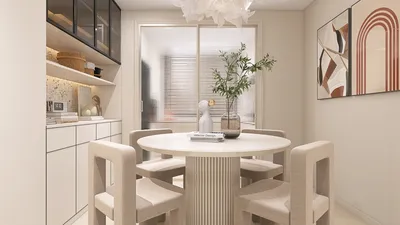


A table positioned behind the sofa effectively addresses two key needs: it stabilizes your seating arrangement and offers discreet storage solutions for remotes, chargers, and books, all while keeping the space uncluttered. I have created designs for narrow living areas, spacious open-plan lofts, and family rooms plagued by cable entanglements. When executed properly, a streamlined console not only improves traffic flow but also enhances lighting tasks and provides a polished architectural touch to your sofa.
Both scale and safety take precedence over mere aesthetics. Research by Gensler indicates that effective corridors for movement should maintain a clear width of 36–42 inches for optimal comfort; thus, at home, it’s advisable to keep a passage of at least 30–36 inches behind your seating. The WELL v2 guidelines advocate for minimizing trip hazards and glare while facilitating adaptable work zones, which is precisely what a well-designed powered sofa-back console, such as those featured in Homestyler, can accomplish. Furthermore, I recommend ensuring that the console's height matches or is slightly lower than the sofa's back (typically between 28–32 inches) to achieve both ergonomic comfort and visual harmony.
Light and color significantly influence the ambiance, a fact that many DIY guides overlook. The recommendations by the Illuminating Engineering Society stipulate providing 150–300 lux in living areas and 300–500 lux in task zones. If you’re using the console for device charging or organizing mail, it’s beneficial to include a low-glare light fixture or LED strip with temperatures between 3000–3500K for a warm and inviting color rendering. For surface finishes, opting for muted wood and matte paint will help minimize glare and visual distractions, while a subtle oil or waterborne polyurethane finish preserves the wood grain without extra shine.
Design Brief: Establish Dimensions, Purpose, and Cable Management
Begin by measuring your sofa's length, back height, and the clearance needed for movement behind it. The ideal console depth is 8–12 inches for compact spaces, while 12–16 inches is optimal if incorporating drawers or charging areas. Typically, the height ranges from 28–32 inches, aligning with arm and back heights for easy accessibility. It’s wise to plan for electrical needs early—ensure that a cord can be discreetly routed through a grommet to the nearest outlet, and consider affixing a surge-protected power strip underneath. If enhancing furniture layout and traffic flow, utilizing an interior layout planner can effectively refine clearances and cable placements with a room design visualization tool.
Material Selection and Sustainable Practices
For a modern, sleek construction, consider using 3/4-inch plywood or solid hardwood (like ash, oak, or maple). Plywood is less prone to warping and allows for strong joinery with pocket screws, while hardwood adds a nice tactile quality and durability. Opt for FSC-certified materials when available, and select low-VOC finishes to safeguard indoor air quality. If weight efficiency with high durability is desired, furniture-grade plywood with a hardwood veneer is an ideal choice; edge banding can create a seamless appearance resembling solid wood. For the legs, steel hairpin or square tube legs impart a visual lightness; if additional hidden storage is required, consider constructing a full carcass complete with side panels and a back rail instead of using legs.
Cut List (Tailor to Your Sofa)
For a 78-inch sofa, with a depth of 12 inches and height at 30 inches:
Tools and Supplies: pocket screws, wood glue, brad nails (1-inch for trim), screws for legs (1–1.5 inches), felt pads, cable grommet, surge protector, and cord clips.
Construction Steps: Clean Lines and Solid Connections
1) Begin with a dry fit: Arrange the top, side rails, and panels. Mark pocket holes on the inner faces to keep fasteners concealed.
2) Construct the carcass: Drill pocket holes, apply glue, and screw the side panels to the rails, utilizing clamps to maintain squareness. If desired, add a center divider for added stability and hidden storage.
3) Secure the top: Apply a thin line of glue to the rails, then clamp and use pocket screws from underneath. Be mindful of any overhangs—flush edges convey a modern aesthetic, while a 1/8-inch reveal adds depth.
4) Optionally add a lower shelf: Install shelf supports and drop the shelf into place for storage baskets or routers, leaving at least 3 inches for cable organization.
5) Choose legs or a plinth base: Utilize black powder-coated square tube legs for a floating look set back from corners, or create a full plinth base for enhanced stability on rugs.
6) Cable management: Drill a 1–1.5 inch grommet hole at the back corner. Mount the surge strip underneath and secure the cables with clips out of the main walking area.
7) Sand and finish: Sand surfaces to a smooth 180–220 grit. For hardwood, use waterborne polyurethane or hardwax oil to preserve color and resist stains. For plywood, apply veneer edge banding and a matte finish for a refined profile.
Ergonomics, Load Bearing, and Everyday Use
A console table that also serves as a surface for beverages or lamps must support significant weight. Standard task lamps can weigh between 2–8 pounds, so design the console to hold 20–30 pounds evenly distributed across the surface. Using pocket-screwed rails with glue will suffice; incorporate a center divider if heavy books will be stored. Ensure lamp switches are easily accessible, ideally within 20–24 inches from a seated position. For organized cable management, guide chargers toward the center of the sofa to prevent snags when walking behind.
Color and Finish Approach
Color psychology encourages a calm and cohesive atmosphere; muted neutrals and softer woods can minimize visual noise. For a subtle contrast, choose a tone that is 1–2 shades darker than the sofa’s upholstery to define distinct edges without overwhelming the design. Classic brass or black hardware is recommended, avoiding high-gloss finishes in brightly lit rooms to diminish glare, especially when combined with task lighting between 3000–3500K.
Sound Control and Visual Symmetry
Open-concept living spaces can benefit from sound-dampening features. A wooden console with soft baskets and a matte finish will absorb sounds better than glass or glossy materials. Maintain a steady vertical rhythm by aligning the console’s top with nearby window sills or shelving for visual coherence. If your room layout features a strong axial line, center the console on the sofa and align it with the edge of a rug to achieve a harmonious geometric arrangement.
Chic Storage Solutions
Incorporate woven baskets on a lower shelf for items like remotes, VR headsets, and throws. Use a shallow drawer insert for storing pens and charging accessories. A small tray can keep keys and glasses organized, while a cable box is effective for concealing the router. If you host guests frequently, leave 16–18 inches of space at either end for movable stools that can easily tuck under the console, providing extra seating without clutter.
Layout Considerations Before Assembly
Outline the movement path and lamp positions before building. If your sofa is away from the wall, try marking the console’s footprint with painter's tape for a day to evaluate its impact on daily movement and light. To visualize alternatives—such as open-frame legs versus a full cabinet or varying depths—experiment with an interior layout planner along with a robust room design tool like Homestyler.
Safety, Electrical Planning, and Upkeep
Utilize cord covers over walkways and attach felt pads beneath the base to safeguard flooring. Ensure that cables run underneath the console and out of the walking area. Regular dusting is advised, alongside annual refreshes of oil finishes. When placing liquids on the surface, use coasters and consider incorporating a small lip or tray to catch any spills.
Frequently Asked Questions
Q1: What is the ideal height for a behind-sofa table?
A: A height of 28–32 inches, aligned with the sofa back, ensures that lamps and trays are easily accessible without visual heaviness.
Q2: How much clearance should I maintain behind the sofa?
A: Maintain a clear passage of at least 30–36 inches for comfort and safety, consistent with circulation standards used in workplace planning by firms such as Gensler.
Q3: Which materials provide an optimal blend of durability and affordability?
A: Furniture-grade plywood topped with a hardwood veneer offers a cost-efficient, stable choice; solid maple or ash provides longevity and tactile richness.
Q4: Is it possible to include charging capabilities without unsightly cables?
A: Certainly—install an underside surge strip, drill a grommet hole at the back corner, and use cord clips to neatly direct cables along the bottom, out of traffic areas.
Q5: What type of lighting is suitable for a sofa-back console?
A: Opt for low-glare task lamps with color temperatures of 3000–3500K. For reading or doing paperwork, aim for a brightness of about 300–500 lux on the surface, in line with IES task lighting standards.
Q6: What depth is best for stability and storage?
A: A depth of 8–12 inches is ideal for compact areas and lamp support; a depth of 12–16 inches is better for accommodating baskets, drawers, and effective cable management.
Q7: How can I ensure the piece blends visually with my decor?
A: Match the finish with nearby woods or select a color that is 1–2 tones darker than the sofa. Align the console’s top with window sills or shelving lines to maintain visual rhythm.
Q8: Which leg design is most stable on rugs?
A: A plinth base or wide U-frames helps reduce wobbling on thick rugs; hairpin or slim tube legs have a light look but may require additional supports and felt pads.
Q9: What are some strategies to decrease noise in open-concept areas?
A: Incorporate materials with matte finishes, use soft baskets, and avoid glass surfaces. These choices absorb sound better compared to reflective finishes.
Q10: Is the sheen of the finish significant?
A: Absolutely—select matte or satin finishes to minimize glare, particularly under warm task lighting. High-gloss surfaces tend to highlight dust and reflections.
Looking to transform your space? Homestyler is your go-to online home design platform! With its user-friendly design tool, stunning 3D renderings, and a wealth of DIY video tutorials, you can effortlessly create and visualize your dream home. Start designing today!
Progetta ora GRATIS
































