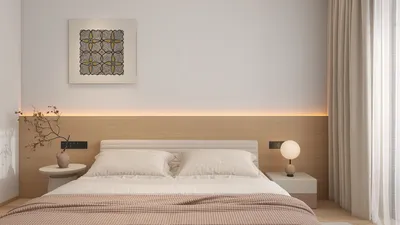


I appreciate how a thoughtfully designed LED wall can instantly transform the ambiance of a space from serene to vibrant. Aside from the striking aesthetics, effective lighting contributes significantly to health and productivity. The Illuminating Engineering Society suggests that ambient lighting in living spaces should be maintained between 100 and 300 lux, while areas designated for tasks may require 300 to 500 lux based on the nature of the work (according to IES standards). Additionally, color plays a pivotal role as studies in color psychology reveal that cooler tones evoke a sense of spaciousness and enhance focus, whereas warmer shades foster a feeling of comfort and relaxation, as highlighted by Verywell Mind. Implementing these insights into a DIY LED wall project involves a careful balance of brightness, color temperature, and control of glare, ensuring the setup is visually appealing and soft on the eyes.
From a health standpoint, lighting that aligns with our circadian rhythm offers measurable advantages. According to WELL v2, light significantly influences our sleep quality, freshness, and overall mood; meeting these biological requirements typically necessitates the use of the correct melanopic lux during the day and softer, warmer illumination at night (WELL v2). Personally, I prefer tunable white LED strips that range from 2700K to 6500K, adjusting my evening scenes to approximately 2700 to 3000K to minimize blue light exposure. In my living space, I usually combine indirect LED washes around 150 to 250 lux with more focused lighting accents, ensuring consistent dimming across the board to avoid stark contrasts that can strain the eyes. These parameters offer a solid foundation which you can adjust to fit your room's dimensions and wall finishes.
Design Intent: Defining Your LED Wall's Purpose
Begin by identifying the intended function: are you looking for a peaceful backdrop for reading, an energetic media wall, or a striking focal element? The purpose will dictate the layout and wiring approach. In tighter living spaces, I tend to favor an indirect wash behind bookshelves or televisions to create an illusion of depth. Conversely, in a large open-plan area, using modular LED panels can effectively delineate visual sections and facilitate movement. Ergonomically, avoid harsh direct light; consider using frosted acrylic or silicone diffusers to minimize glare. Envision your LED wall in layers: a foundational wash for ambiance, mid-level accents for detail, and occasional highlights for artwork or plants.
Materials and Components
Choosing dependable components is crucial for the success of your project. Seek out LED strips with a high CRI (90+) for natural color reproduction, utilize aluminum channels for effective thermal management, and include diffusers to soften harsh light spots. A smart controller that allows for zone-based dimming and supports tunable white or RGBW will enable you to create versatile lighting scenes throughout the day. I favor 24V strips as they reduce voltage drop over longer distances. For sustainability, prioritize energy-efficient LEDs (lumens per watt), FSC-certified wood accents, and low-VOC finishes. Concealing wiring within a shallow service cavity or raceway and planning for maintenance access through removable panels will save you from needing intrusive repairs later.
Layout Strategies and Proportions
Effective LED wall designs honor spatial proportions. A common 60–30–10 distribution works effectively: 60% allocated to soft ambient lighting, 30% for textured accents (like ribs, slats, or geometric forms), and 10% for spotlighting. If applying LEDs to structured patterns, ensure that modules align with architectural gridlines—door frames, window dividers, or furniture edges—to create rhythmic visual flows. To test arrangements before final decisions are made, utilize an interior design tool that can simulate sightlines and control glare: room layout tool. Draft the pathways for cables, power sources, and controller settings, ensuring there's adequate ventilation behind LED channels for longevity.
Color Temperature and Mood Settings
Establish preset scenes that correspond to daily activities. For morning focus, aim for temperatures between 4000K and 5000K with higher brightness to evoke clarity. For evening relaxation, target warmer tones around 2700K to 3000K with reduced output. When entertaining, combine neutral white with vivid RGB accents—like teal or coral—while maintaining a high CRI so that food and faces appear true-to-life. For optimal media viewing, adding a bias light behind the screen set to 10% of the luminance will help reduce eye strain while enhancing the visual contrast. Ensure transitions between scenes are smooth to avoid jarring shifts, particularly in compact areas.
Texture, Depth, and Visual Balance
LEDs thrive on texture. Incorporating materials such as ribbed wood panels, fluted gypsum, or perforated metal can elevate standard lighting into a sensorial feature. Using indirect light to graze over vertical textures enhances dimensionality without adding clutter. I typically favor matte finishes to minimize reflections and maintain a cohesive color scheme—two primary hues with one accent—to keep the wall elegant rather than chaotic. Strive for a balanced distribution of brightness, ensuring that an overly bright upper region doesn’t create a stifling atmosphere, while a dim lower section can make a space feel heavy. Dimming curves should remain consistent across all zones to eliminate flickering or abrupt brightness changes.
Glare, Safety, and Ergonomics
Controlling glare is essential. Position LEDs away from direct lines of sight, recess strips into the structure, and select diffusers that allow for high light transmission with gentle scattering. For optimal comfort, ensure that the brightness levels remain uniform across adjacent areas. Pay attention to cable types, load calculations, and ensure proper ventilation around drivers, as excessive heat can damage LEDs and diminish performance over time. Installing a dedicated circuit with appropriate safeguards is advisable, and marking zones will streamline troubleshooting. For households with children or pets, it's wise to avoid placing strips at reachable heights while considering rounded profiles to reduce risks of sharp edges.
Smart Control and Automation
Integrating smart features into your LED wall can simplify usage. Tie the lighting setups to your daily routines: morning alarms, work-from-home days, dining times, and evening relaxation. Presence sensors can gradually activate ambient light when someone enters the area, while adaptive scenes can adjust based on natural sunlight. Always include manual controls like physical switches or dimmers in accessible locations. I regularly set up quick response actions—such as double-tapping for entertainment mode or long-pressing for night scene—to ensure the LED wall intuitively adapts to your lifestyle. It’s beneficial to test these patterns with family members; ultimately, the best design is one that operates seamlessly without needing to be deliberately thought about.
Acoustics and Multimedia Integration
LED walls typically coexist with televisions or sound systems. For acoustic treatment, installing sound-absorbing materials—such as felt, mineral wool, or acoustic panels—behind decorative surfaces can help minimize echo. Additionally, keep audio cables separate from power lines to prevent interference. When designing media walls, ensure service gaps are present around devices and that the LEDs are dimmable enough to avoid washing out the display screen. Proper cable management is worth the additional time spent; your future self will appreciate the effort.
Budget, Phasing, and Maintenance
Approach your build in phases: commence with the primary wash and wiring, then layer in accent lighting as finances allow. This strategy keeps your budget intact while enabling practical evaluations before full implementation. Monitor the lumen output regularly, as LEDs can lose efficacy over time. Remember to clean diffusers routinely, check for overheating, and replace thermal paste when necessary. Document your wiring schematics to ensure any future upgrades or repairs are uncomplicated.
Utilizing lighting principles in alignment with human comfort, I frequently consult WELL v2 for circadian rhythm advancements and refer to IES standards for recommended light levels and glare management. These resources provide a scientific basis for creative choices while allowing the DIY enthusiasm to stay within professional guidelines.
Tips 1: Maximizing Small Spaces with Your LED Wall
Consider using vertical light patterns to create the illusion of height in ceilings, favor warmer color temperatures at night, and discreetly house drivers within a ventilated cabinet. A slender ribbed panel featuring integrated LEDs can serve as both storage and an artistic element.
Tips 2: Making a Bold Geometric Statement
Implement a simple 45-degree grid, employ RGBW strips for rich white light and color variety, and limit saturation to 30% for sophistication. Mixing matte and satin finishes will produce depth while avoiding glare.
Tips 3: Enhancing Media Experience with Bias Lighting
Place a rear LED wash around the TV edges at low brightness, using neutral white light around 4000K. Maintain consistent reflectance across the wall while steering clear of shiny surfaces that could mirror the screen.
Tips 4: Wellness-Centric Lighting Routine
Establish tunable lighting scenes, transitioning from cool white in the morning, to neutral during midday, and warming to softer tones in the evening. Adding a low-level amber scene for nighttime movement fosters safety without disturbing melatonin levels.
Tips 5: Ensuring Family-Friendly Durability
Opt for sturdy channels equipped with snap-in diffusers, seal edges effectively, and keep low-voltage connections inside accessible yet child-safe enclosures. Labeling zones and having an additional controller accessible will enhance usability.
FAQ
Q1: What is the ideal color temperature for an LED wall in the living room?
A: Target a tunable white range of 2700K to 4000K. Utilize 2700K to 3000K during the evening hours for comfort and 3500K to 4000K during the day for clarity without harshness, following advice from WELL v2 and IES recommendations.
Q2: What brightness level is appropriate for my LED wall?
A: For ambient light, aim for a brightness of around 150 to 300 lux where seating is located, with task areas reaching up to 300 to 500 lux as necessary. Maintaining consistent brightness levels is vital to avoid stark contrasts.
Q3: Are RGB LEDs suitable for daily use?
A: RGB LEDs are excellent for accent lighting and entertainment purposes. For natural white light, opt for RGBW or tunable white options while ensuring you maintain a high CRI (90+) for accurate color representation of furniture and skin tones.
Q4: How can I minimize glare and hot spots?
A: Recess LED strips within aluminum channels, utilize frosted diffusers, and angle your lights away from eye level. Using matte wall finishes further helps in reducing reflective glare.
Q5: Is it possible to integrate the LED wall with smart home systems?
A: Indeed. Look for controllers that are compatible with common protocols and establish scene presets. Always include physical overrides for reliability, and clearly label zones for straightforward troubleshooting.
Q6: What should I know about heat and safety?
A: Adequate ventilation around drivers is essential, use wires of the correct gauge, and avoid overloading power sources. Aluminum channels promote better heat management and improve longevity.
Q7: How do I plan the layout effectively before starting any building?
A: Create a grid that aligns with existing architectural lines and experiment with an interior layout planner. Simulate glare, sightlines, and cable routes using a room design tool for best results: room layout tool.
Q8: What level of maintenance is necessary?
A: Regularly clean diffusers, inspect connections, and keep an eye on any dimming or colors shifting over time. Maintain records of your wiring and controller settings for ease of reference.
Q9: Which materials work best in conjunction with LED walls?
A: Select materials like matte woods, fluted panels, felt, and perforated metals that diffuse light effectively. Opt for low-VOC finishes and consider using acoustic materials to enhance sound quality.
Q10: Can an LED wall positively affect mood and productivity?
A: Properly balanced lighting scenes and suitable color temperatures contribute to user comfort and concentration. Research from WELL v2 and insights into color psychology suggest that warmer light encourages relaxation, while cooler shades foster alertness.
Discover the joy of home design with Homestyler! This user-friendly platform features an intuitive online design tool, stunning 3D renderings, and a wealth of inspiring design projects and DIY video tutorials. Transform your space effortlessly and unleash your creativity today!
Дизайн сейчас бесплатно
































