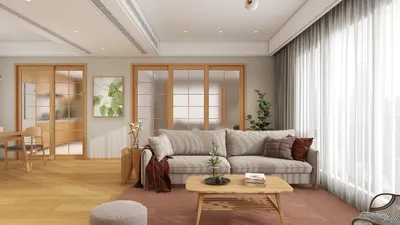


I've discovered that utilizing a room fragrance spray can effectively influence mood, perception, and behavior in mere moments. When executed properly, it transcends being just a delightful scent; it's an integral part of sensory design that harmonizes with lighting, color, acoustics, and materials. In high-functioning workspaces, sensory elements work together seamlessly; scent can often be the final touch that introduces warmth, clarity, and a sense of identity without necessitating extensive renovations. One effective way to visualize and implement these elements is through Homestyler, an interior layout planner that can help you create the desired atmosphere.
The documented effects of environmental cues on people are significant. According to Gensler’s Workplace Survey, environments that foster concentration and restoration can greatly enhance performance and satisfaction levels; scent design can facilitate these experiences by setting the right mood. Research from Herman Miller on cognitive performance underscores the importance of reducing stressors and enhancing routines; specific aromas, like soft citrus, are linked to alertness and cognitive clarity, subtly drawing attention without overwhelming the senses. Additionally, Verywell Mind highlights that cooler color palettes tend to evoke calmness, while warmer shades generate energy—combining these color schemes with corresponding scent families can amplify their effects, such as blending lavender with soft blue for tranquility or pairing grapefruit with warm neutrals for invigorating freshness.
Considering health aspects, WELL v2 highlights the importance of reducing air impurities and ensuring olfactory comfort. This entails selecting sprays with clear ingredient labels while steering clear of heavy synthetic mixtures. A well-rounded approach—using quick-dissipating, low-VOC formulas—keeps air quality aligned with optimal standards. When I design spaces, I treat scent akin to lighting: adjusting intensity, managing timing, and preventing overwhelming odors—akin to 'olfactory glare.' Incorporating platforms like Homestyler can guide you in achieving the right balance.
Crafting a Scent Profile That Suits Your Space
Begin with purpose. What functions should the area serve—focus, socialize, restore, or transition? I categorize scent families to align with functional zones: citrus or mild mint for concentration areas, herbal or woody notes for lounges, and soft florals for rejuvenation spaces, alongside subtle ocean or tea notes for transitional corridors. Consistency is key to avoid sensory dissonance. If you’re organizing seating arrangements or pathways, utilizing an interior layout planner can visualize how air will flow and where fragrances should be more pronounced or subtle.
Timing, Dosage, and Habit Formation
Fragrance spray is most effective when applied in micro-doses and at regular intervals. I recommend a 5–10 second, fine-mist spray directed upward—not onto fabrics. For professional environments, pair scents with task transitions: a quick burst of citrus upon entering a focused work zone or a calming herbal mist at the conclusion of a meeting to help alleviate residual stress. Creating consistent habits around fragrance application helps teams connect specific scents with modes of operation: whether it be for focus, relaxation, or collaboration.
Lighting, Color, and Scent: A Harmonious Experience
It’s essential that lighting temperature complements fragrance. In the morning, lighting between 3500–4000K combined with a zesty citrus scent feels bright and productive; during afternoon reflections, lighting in the 3000–3500K range paired with tea or lavender better serves the atmosphere. I remain vigilant about glare and reflections that might lead to sensory overload; employing a soothing acoustic backdrop alongside matte surfaces helps ease both visual and olfactory senses. Color psychology suggests coordinating scent elevation with the saturation of palettes: rich woods and charcoal shades welcome deeper, earthy notes, while light color schemes remain coherent with airy florals or fresh greens.
Acoustic and Airflow Considerations
Quiet rooms enhance scent perception; excessive HVAC noise can compromise the experience. I implement gentle, diffused air movement so that fragrances settle softly; direct air vents can disperse scents inconsistently. It’s advisable to avoid spraying near supply vents. In spaces featuring various ceiling heights or distinct zones, using layout simulation tools to strategize fragrance application points can prevent the formation of concentrated scent pockets.
Materials, Sustainability, and Care
Selecting natural or responsibly sourced fragrance blends minimizes harsh residues on surfaces. It’s essential to consider compatibility with porous materials like wool, untreated wood, and natural stone while avoiding direct application on these surfaces. For sustainable practices, opt for recyclable containers and refills, while limiting usage to moments when it’s genuinely needed—quality over quantity. Transparency in ingredients and low-VOC certifications align with best practices for indoor air quality as highlighted in WELL v2.
Hospitality and Home: Creating Character Through Scent
In the realm of hospitality, scent acts as a form of brand recognition. Lobby blends often incorporate warm woods and citrus to create a welcoming atmosphere, whereas guest room fragrances lean towards gentle florals. In my home, I prefer a signature daytime aroma—grapefruit or basil—and a slower, calming nighttime scent, like lavender or chamomile. Keeping kitchens fresh with herbaceous or citrus sprays that complement rather than clash with food aromas is imperative; in bedrooms, selecting restful scents with short bursts rather than saturations is key.
Workplace Etiquette and Sensitivity
It's important to recognize varying sensitivities to scent. Posting a small notice in communal spaces, utilizing minimal dosages, and choosing hypoallergenic or lighter scent profiles are crucial strategies. Designate opt-out zones—such as focus pods or quiet rooms without any fragrance—to accommodate diverse preferences. This practice reflects universal design principles that prioritize control, choice, and comfort.
Strategic Scent Placement
Aim the spray directly upward in the middle of a designated area, rather than over desks or soft furnishings. For elongated hallways, apply light misting every 6–8 meters; for lounge areas, direct it towards corners to allow the scent to naturally disperse. Ensure sprays are positioned away from return air grilles to prevent rapid extraction. When rearranging furniture or setting up new collaboration hubs, using an interior layout planner can help align scent placement with the flow of activity—tools like Homestyler can provide clarity on visualizing these designs.
Selecting Appropriate Fragrance Families
- Citrus (lemon, grapefruit): Invigorating, bright aromas support alertness and morning energy.
- Herbal (basil, mint): Refreshing and clean, ideal for kitchens and transition areas.
- Floral (lavender, neroli): Calming and restorative but should be used sparingly in bedrooms.
- Woody (cedar, sandalwood): Grounding aromas, perfect for lounges and reading spaces.
- Green/tea/oceanic: Light and neutral, suitable for reception areas or environments with low scent preferences.
Maintenance and Rotation
To prevent olfactory fatigue, rotate scents with the seasons, maintaining a low and steady intensity. Test new combinations in a single area for a week before wider implementation. Be sure to maintain no-spray zones around artwork, leather, and untreated wood surfaces. Regular cleaning of atomizers and caps ensures the prevention of sticky build-up.
For broader insights into how environments affect performance and wellbeing, Gensler’s research provides substantial information on focus and choice, while Herman Miller's studies explore cognitive function and stress in workplace settings.
FAQ
Q1: How much fragrance should I use to avoid overwhelming the senses?
A: Apply a fine mist for 5–10 seconds directed into open air above the area. Allow it to settle for 1–2 minutes before reassessing. Smaller rooms require less—begin with half the amount and gradually increase as needed.
Q2: Can scent enhance focus without causing discomfort?
A: Absolutely, maintaining a low intensity and opting for fresh profiles like light citrus or subtle mint works well. Pairing these with 3500–4000K lighting enhances alertness. People sensitive to fragrance should have access to scent-free zones.
Q3: When is the best time for fragrance application in a workplace setting?
A: Align it with task transitions: apply before focus sessions, after meetings for relaxation, and during afternoon slumps for rejuvenation. Consistent application builds associations that streamline workflow.
Q4: Will fragrances interact negatively with materials or finishes?
A: It's best to avoid direct contact with porous surfaces, leather, and untreated wood. Spray the air and allow it to diffuse naturally. Always test a new fragrance in one area prior to full deployment.
Q5: How can I align scent with my color scheme?
A: Pair muted cool tones with soothing floral scents, while vibrant, warm palettes can be complemented with citrus or herbal notes. This coordination enhances the emotional resonance described in color psychology literature.
Q6: Is there an environmentally friendly approach to using fragrances?
A: Select low-VOC sprays with transparent ingredient lists, opt for recyclable packaging, and use refillable options. Limit the frequency of application to essential moments—prioritizing quality over quantity is essential.
Q7: How does HVAC and airflow impact scent application?
A: Avoid spraying near supply or return vents. Direct the spray upward in central areas to allow gentle air movement for distribution. In spaces with intricate layouts, plan fragrance points based on airflow simulation.
Q8: How should hospitality environments manage scent identity?
A: Establish a characteristic lobby scent profile (warm wood combined with citrus), calming fragrances for guest rooms (soft florals), and keep dining areas neutral or herb-oriented to avoid conflicting with food scents.
Q9: Can scent help in fostering relaxation within bedrooms?
A: Yes, utilizing soft floral fragrances like lavender in low doses, along with warm lighting (around 3000–3500K) and peaceful acoustics, can facilitate relaxation. Keep the application minimal to prevent overwhelming the space.
Q10: How frequently should I change or rotate fragrances?
A: Ideally on a seasonal basis. This approach prevents scent fatigue and keeps the olfactory experience engaging. Try introducing a new fragrance in one space initially to evaluate its reception before wider implementation.
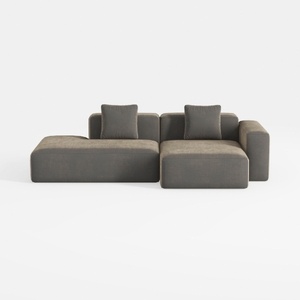
WJShome Cloud Couch Modular Sectional Sofa,102inch
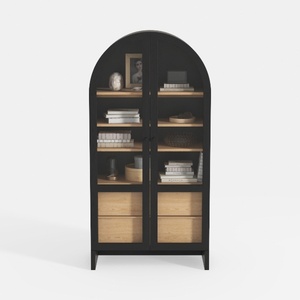
Wood Bookshelf with Adjustable Shelves, 72" Tall

Acme Pelton Fabric Loose Back Sofa with Pillows
If you're looking to transform your home design ideas into reality, Homestyler is your go-to platform. With its easy-to-use online design tool, impressive 3D renderings, and a wealth of design projects and tutorials, you'll be inspired to create stunning spaces effortlessly.
Desain sekarang Gratis
































