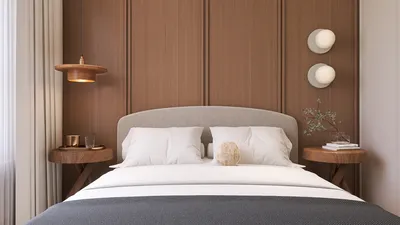


Having crafted over a dozen pallet feature walls in various settings such as homes, cafés, and small office spaces, I continue to be enchanted by the unique charm they bring: the rich textures of the wood grain, the layered appearance, and the subtle sound dampening effects that enhance the overall atmosphere of a space. When executed properly, a pallet wall not only contributes inviting warmth but also balances visual patterns and can enhance concentration by reducing echoes. Supporting this idea, WELL v2 highlights the importance of managing sound reverberation and utilizing sound-absorbing materials to boost cognitive performance and wellness, while Steelcase research identifies poor acoustic conditions as a leading source of frustration in workplaces, adversely affecting productivity. These findings inform my approach to selecting, preparing, and detailing each plank for both aesthetic appeal and practical function while utilizing Homestyler for visual planning.
Careful planning is as crucial as selecting the right wood for your project. Research from Gensler indicates that spaces that provide comfort and options greatly enhance performance, which is precisely what a textured wood wall can achieve—especially when combined with appropriate lighting conditions. The Illuminating Engineering Society recommends a standard task lighting level of around 300–500 lux for general work, while accent lighting can be softer. This guides my choice of mixing ambient and wall grazing fixtures. Additionally, insights from Verywell Mind regarding color psychology confirm that warm, natural hues can mitigate stress and encourage relaxation—offering yet another reason to choose reclaimed wood as a sensible, stylish option. For overarching best practices, WELL v2 serves as a fantastic guide for achieving a quality environment.
Design Intent: Establishing Visual Rhythm
Before you drive in the first nail, consider what narrative your wall should convey. A pallet wall can be understated and tonal or boldly contrasting and rustic. I often create basic sketches of elevations and strategize banding patterns: whether to opt for long runs, staggered joints, or introduce subtle chevron details. Strive for a harmonious mix of narrow and wide boards (for instance, combining 70% standard pallet slats with 30% broader reclaimed boards) to maintain visual interest. Vary joint offsets; a staggered pattern of 8-12 inches helps to avoid a uniform appearance while establishing a natural rhythm. If your project occurs in a living space or work environment, utilizing a room layout tool like Homestyler can effectively visualize sightlines, electrical outlets, and the interplay with shelving or media units.
room layout tool
Selecting and Sourcing Pallets
Opt for heat-treated (HT) pallets rather than those treated with chemicals. Look for the IPPC stamp marked "HT" and avoid pallets labeled "MB" (methyl bromide). I favor hardwood pallets for their durability—options like oak, maple, and beech are ideal—though mixed softwoods can work for less demanding uses. Check for signs of rot, oil stains, and insect damage. It's wise to plan for 20–30% extra stock to accommodate any unusable pieces after cleaning and milling. If a planer isn't available, be more discerning in your selections to minimize sanding later on.
Safe Disassembly and Preparation
Employ a pallet breaker or oscillating tool to lessen the chance of splitting. Remove or drive nails through from the back to avoid damaging blades and reduce hazards. Post-demolition, scrub the wood with a stiff brush along with a mild TSP alternative, and ensure thorough rinsing and drying. If the boards have been moist, stack them with spacers to allow airflow and acclimate them to your interiors for 3-7 days to mitigate cupping and seasonal movements. For ergonomic effectiveness, set your workstation at elbow height and use knee pads and hearing protection; prolonged sanding at inappropriate heights can cause fatigue, resulting in poor finishes.
Milling, Sanding, and Edging Strategy
Uniform thickness distinguishes a professional finish from an irregular wall. For those without a planer, sort boards by thickness and categorize them accordingly. Lightly joint or square the edges as necessary; I often preserve the natural irregularities while smoothing any rough edges with a 120-150 grit sanding. Finish sand between 180-220 grit, depending on the stain you aim to use. Pre-drill holes to prevent splitting at the ends, particularly with hardwood. Boards that exhibit nail marks or rust spots that you appreciate can be showcased; a few imperfect pieces can add character and authenticity.
Layout: Set Datum Lines
Begin by establishing a level datum line at eye level or centered around focal features such as a television, artwork, or shelves. Proceed outwards and upwards in layers. Before installation, dry-fit a couple of rows on the ground to assess joint staggering and board color combinations. I adhere to a straightforward rule: no more than two adjacent end joints should be vertically aligned, and short offcuts should not be clustered together. Utilizing a laser level streamlines alignment accuracy. If the wall conceals a cable chase or sound insulation, make sure to mark anchors and conduit paths beforehand; a quick pass using an interior layout planner can help you avoid obstructing access points or outlets.
interior layout planner
Mounting Methods: Backing Panel vs. Direct Attachment
There are two primary strategies: attaching directly to the studs or mounting onto a thin plywood backer. Direct attachment is feasible when studs are within reach and the wall is flat. I typically use construction adhesive combined with trim screws placed into studs every 16 inches on center. A backing board (1/4-3/8 inch plywood) can expedite the process, minimize wall damage, and improve acoustic absorption when implemented with a mineral wool layer behind. For spaces with multiple tenants, a backer can be more convenient for future removal.
Acoustics: Optimize Texture
Wood texture provides an excellent solution for diffusing high-frequency reflections, while the soft materials placed behind the boards help absorb mid-range sounds. In compact office environments, even a singular feature wall can significantly diminish echo, enhancing speech clarity. Referencing WELL v2’s acoustic strategies can help mitigate speech interference—incorporating mineral wool, a perforated backer, or felt interlayers behind the pallet boards can achieve even better results without altering the overall design.
Lighting: Grazing, Color Temperature, and Glare Management
To accentuate the wood grain, implement wall-grazing fixtures positioned 6-12 inches away from the surface, angled at 30-45 degrees. For living spaces, maintain a color temperature between 2700-3000K for warmth, and consider switching to 3500K in multifunctional areas. Pair ambient lighting to reach approximately 300-500 lux for general activities as advised by IES, while including dimmers for added versatility. Avoid unshielded point sources that may create harsh highlights on shiny finishes—opt for soft, protected optics that ensure visual comfort and balance.
Finishes: Stains, Oils, or Clear Coats
Always conduct finish tests on offcuts first. Penetrating oils (hardwax or tung blends) deliver a natural texture and a subtle sheen, while water-based poly finishes cure quickly and retain clarity. Oil-based finishes may develop a warm amber hue over time, which can be appealing alongside cooler board tones. Explore a two-tone design: perhaps medium walnut for 60-70% of the pieces with the remaining 30-40% left natural or lightened for added depth. If the wall is adjacent to a cooking area, opt for easily cleanable topcoats with at least a satin finish. Choose low-VOC options to lessen odors and enhance indoor air quality.
Color Psychology and Atmosphere
Natural woods generally evoke soothing and grounding color palettes. Research on color psychology by Verywell Mind suggests that warm, earthy tones can alleviate stress and create a welcoming environment. If you plan to combine these with paint, consider muted greens, soft blues, or creamy tones for a balanced aesthetic. Bold trims imbue energy, while gentle transitions foster tranquility.
Health, Sustainability, and Safety Considerations
Verify the origin and treatment stamps of your materials. Utilize a dust extractor during sanding; reclaimed boards may harbor fine particles from their previous life. Always wear gloves and eye protection. From a sustainability perspective, reclaimed wood reduces waste and lessens the need for new lumber. When additional boards are necessary, prioritize sourcing FSC-certified options to uphold responsible forestry standards.
My Trusted Installation Sequence
1) Prepare and acclimate the boards. 2) Map out studs and anchors. 3) Establish your datum line. 4) Dry-fit two to three rows. 5) Attach using adhesive and screws into either studs or the backer. 6) Confirm level at every row. 7) Fill minor voids with colored wax for reversible repairs. 8) Finish with your chosen sealant and allow it to cure according to manufacturer instructions.
Ergonomics and Workflow Management
For right-handed craftsmen, organize tools in a left-to-right sequence: cutting station, sanding, pre-drilling, and installation. Ensure heavy cutting occurs at waist height, sanding takes place at elbow height, and installation utilizes knee pads or a cushioned mat. Take breaks every 45-60 minutes to preserve accuracy and minimize errors—small mistakes can lead to misaligned joints and unnecessary rework.
Styling and Integration
Once your wall is finished, complement the space: consider a soft mat to absorb sound, a fabric-covered sofa or an upholstered bench, and a matte metal accent to contrast with the wood. If the wall frames a television, conceal cables by using a channel hidden behind the boards. Incorporating plants introduces life and breaks the flat visual plane. In workspace settings, adding a pin rail or a floating shelf can enhance the wall's functionality beyond aesthetics.
Maintenance and Longevity
Dust your wall with a microfiber cloth. For oiled finishes, plan to re-oil at least once a year or as required. Avoid excessive moisture exposure since reclaimed wood tends to move more than newly milled hardwood. Regularly inspect fasteners following shifts in the seasons and touch up with wax sticks where small checks appear. The character of the wood evolves with time; celebrate this as part of its charm.
Frequently Asked Questions
For a wall sized at 10x8 feet, estimate around 80-110 square feet of coverage. Depending on the size of the pallets and usable slats, anticipate needing 12-20 pallets, plus an additional 20-30% for any unusable pieces.
Yes, if you stick with heat-treated pallets (HT), follow thorough cleaning processes, and finish with low-VOC products. Ensure a secure attachment and avoid sharp edges.
Absolutely. The texture helps to diffuse sound reflections while a softer backing layer efficiently absorbs mid-range frequencies. WELL v2 encourages using techniques to minimize speech disruption, which this construction effectively supports.
Utilize warm LEDs set at 2700-3000K with wall-grazing angles. Strive for general ambient lighting near 300-500 lux per IES guidelines and implement dimmers for precise control.
Initially, attach a plywood backer to the studs and then secure the boards to this backer. Relying on adhesive alone directly on drywall is not advisable for long-lasting results.
It’s best to apply stains prior to installation to achieve uniform coverage and expedite the process. Touching up cut edges and holes post-mounting is essential for consistent color.
Remove cover plates, create precise openings, and utilize box extenders if your finish increases in thickness. Always maintain electrical clearance as per local codes.
Yes, provided you allow for acclimation and ensure a sealed finish. Incorporate small expansion gaps and steer clear of direct water damage. Regularly check fasteners through seasonal changes.
Blend reclaimed pallets with additional boards that are FSC-certified to maintain visual cohesion and integrity in your design.
Pre-drill near the ends, sand to between 180-220 grit, and use trim-head screws. A slight chamfer can help prevent chipping.
Certainly, just ensure that the bracket is anchored directly to the studs behind the wall or a strong backer. Manage cable routing before cladding begins.
Water-based polyurethane offers excellent resistance to stains and retains its clarity. Hardwax oils provide a more natural aesthetic but may require refreshment over time.
Homestyler is your go-to online home design platform, perfect for all skill levels. With its user-friendly design tool, stunning 3D renderings, and a wealth of DIY video tutorials, you can effortlessly create and visualize your dream spaces. Start designing today!
تصميم الآن مجانا
































