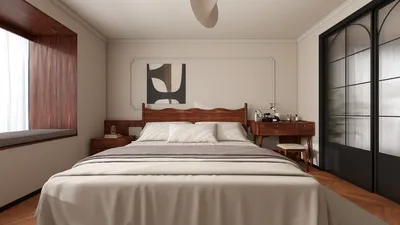


I've created numerous mirror walls, ranging from narrow entryways in condos to expansive living areas that required definition and a touch of light. When done correctly, a mirror wall can visually enhance a room, increase brightness, and provide a sophisticated rhythm to otherwise simple surfaces—without costing a fortune. By utilizing mirrors available at Walmart, the aim is to thoughtfully curate size, spacing, and lighting, ensuring the installation appears deliberate rather than haphazard. Tools like Homestyler can help visualize the layout and optimize placement.
Mirrors do more than just create an illusion of space; they transform our perception of depth and brightness. According to the International WELL Building Institute, sufficient lighting is linked to visual clarity and comfort. The WELL v2 Light framework emphasizes the significance of the right illuminance and glare management for promoting well-being. When paired appropriately, a mirror wall can reflect light from warm-white (2700–3500K) or neutral-white (4000K) sources to harmonize ambient and task lighting. Research from Steelcase shows that environments with comfortable, soft lighting enhance sustained focus—something mirrors can accomplish by reflecting diffused light rather than harsh beams.
From a human factors perspective, glare should be avoided. Standards set by the Illuminating Engineering Society stress the importance of minimizing direct reflections at eye level. Position mirrors away from direct sightlines of bare bulbs while ensuring light fixtures bounce softly off surfaces. Adhering to these guidelines, your mirror wall enhances perceived brightness without causing discomfort or eye strain, all while maximizing the benefits of using tools like Homestyler for design planning.
Plan the Composition and Visual Rhythm
Begin by assessing the wall's width and considering sightlines from key seating or the entryway. For a balanced look, I often place two larger rectangular mirrors at the center, then complement them with smaller ones in a 2-4-2 layout. Maintain even spacing—typically 1.5–2 inches—to create a precise grid that feels architectural, not merely decorative. If your area is compact or oddly shaped, use a room layout tool like Homestyler to test different arrangements and ensure proportions are pleasing across various vantage points.
Staggered arrangements or herringbone patterns can introduce visual interest; just ensure vertical elements are aligned to avoid disorganization. In spaces with lower ceilings, opt for taller, slimmer mirrors to draw the eye upward; in wider rooms, broader mirrors can reinforce a horizontal feel and foster a serene layout.
Choose Mirror Types and Frames Wisely
The selection at Walmart usually features frameless styles, slim metal frames, and accent mirrors. Frameless options are excellent for modern minimalism and seamless grids, while thin black or brass frames add definition, allowing the collection to be perceived as a cohesive design element. Avoid heavy, ornate frames unless showcasing a single statement piece, as multiple decorative items can clutter the look and diminish the sense of spaciousness.
Seek mirrors made of tempered glass and ensure you have secure wall-mount hardware. If combining various types, match the finish and thickness for a cohesive appearance. Aim for a depth of 0.75–1.25 inches to keep projections manageable in circulation spaces.
Light Strategy: Boost Brightness, Avoid Glare
Mirrors amplify the light you provide—quality supersedes quantity. I strive for layered lighting including ambient (ceiling or cove), task lamps, and accent lights. For most living areas, 2700–3000K maintains warmth and comfort, while kitchens and home offices benefit from 3500–4000K for clarity. Position light sources so they reflect off ceilings or adjacent walls rather than shining directly at mirrors. If you dim lights, keep accent lighting around 30–50% output to avoid excessive brightness while retaining sparkle, following the WELL v2 Light concepts that advocate for effective glare management.
Placement: Reflect Something Worth Seeing
Position mirrors where they can reflect natural light or highlight a view—like near a window, opposite a cluster of plants, or facing a piece of art. Avoid reflecting cluttered areas or direct views into private spaces like bathrooms. In dining rooms, aligning the mirror wall with the dining table significantly enhances the perceived scale of the room. At entrances, consider placing mirrors slightly offset from the door to prevent distorting reflections.
Mounting and Safety
Utilize a stud finder and mark anchors before installation. For drywall, heavy-duty anchors or toggle bolts rated for the weight of the mirror are essential. Establish a level datum line and measure gaps with a spacer stick cut to your desired interval. If layering multiple rows, snap chalk lines for a straight installation. Ensure the bottom edge is positioned at least 6–8 inches off the floor to prevent scuffing and to adhere to basic child safety practices. In homes with children or pets, consider adding anti-tip adhesive pads and verifying secure rear hanging points on frames.
Acoustic and Material Considerations
Extensive mirror collections reflect both light and sound. If your room tends to be lively, counterbalance the mirror wall with soft surfaces such as rugs, upholstered furniture, or acoustic panels to promote speech clarity. In humidity-prone areas like kitchens, opt for mirrors with sealed backs to prevent warping. Use microfiber cloths and ammonia-free cleaning solutions to maintain streak-free surfaces.
Color Psychology and Styling
Mirrors have an influence on your color palette. Warm woods and muted earth tones appear more profound, while cool monochromatic schemes feel sharper. For a calming effect, keep frame finishes uniform and minimize high-gloss items nearby. Reserve metallic decor for a single accent shelf or one pendant light to ensure the wall's reflections take center stage without competition.
Budget Tactics and Mix-and-Match
Blend a few larger focal mirrors with several smaller, more affordable options to cover extensive areas without financial strain. Walmart frequently offers value packs; utilize these for rows where precision is less critical and invest a bit more in the central pieces. Ensure consistent frame finishes, high-quality glass, and secure mounting—these three factors will significantly influence the perceived quality of the overall installation.
Step-by-Step Grid Setup
- Draw a sketch of the wall, indicating the furniture placement, outlets, and sightlines.
- Decide on mirror sizes and finalize a 2-inch gap standard for a cohesive look.
- Determine a centerline; begin with the key mirrors at the center.
- Use a spacer for consistent gaps and ensure level alignment for each row.
- Ensure lighting is indirect; check reflections from seating areas.
- Conclude with a quick assessment for sound and glare, adjusting lamp positions if necessary.
Design Validation and Adjustments
Before finalizing installations, tape paper outlines or lean mirrors against the wall to preview how reflections interact. If the setup impacts flow, consider using an interior layout planner to simulate movement and sightlines. Tools like Homestyler can assist in identifying glaring issues or awkward reflections early in the process.
Reference and Best-Practice Guidance
The WELL v2 Light concepts underscore the importance of balanced lighting levels and glare control, which influences how mirrors should be positioned. Studies from Steelcase emphasize the link between comfortable visual environments and enhanced cognitive performance—insights that are also applicable in home settings where focus and relaxation coexist.
FAQ
Q1: What mirror size should I select for a small living room?
A: Tall, slim mirrors (around 12–18 inches wide and 48–60 inches tall) achieve a vertical perspective while minimizing the impact on floor space. Consider using two or three in sequence to create a vertical rhythm without overwhelming the area.
Q2: How can I minimize glare from lamps reflecting in the mirrors?
A: Utilize diffusers and indirect lighting techniques. Direct light fixtures towards walls or ceilings and keep them slightly off-axis from the mirror surface. Dimmer switches set around 30–50% for accent lighting will help create gentle reflections.
Q3: Can a mirror wall brighten a north-facing room?
A: Absolutely, if strategically positioned opposite the primary light source and combined with ambient lighting in the 3000–3500K range. The mirror wall will effectively redistribute available light, enhancing the room's brightness without creating harsh spots.
Q4: Is a frameless grid preferable to framed mirrors?
A: Frameless grids present a sleek, unbroken surface ideal for modern decor. Meanwhile, slim framed mirrors add definition and can suit transitional interiors well. Your choice should reflect your architectural style and the intended emphasis on grid lines.
Q5: What's the safest method to mount heavy mirrors?
A: It's crucial to find wall studs and use lag screws or heavy-duty anchors appropriate for the mirror's weight. Two-point hanging utilizing a level rail enhances stability. In high-traffic areas, adding adhesive safety pads and confirming load ratings of each fastener is advisable.
Q6: Will mirrors exacerbate sound issues?
A: Large reflective surfaces may amplify sound. To balance this, incorporate soft finishes—such as rugs, drapery, upholstered furniture, or acoustic panels—especially on the wall opposite the mirror setup.
Q7: How can I maintain cohesion when mixing different mirror styles?
A: Match frame finishes and thicknesses, keep consistent spacing, and place larger mirrors in the center. Use economical options for the outer rows, but maintain dominant visual focus on the key pieces.
Q8: What color temperature works best in a mirror-centric space?
A: Use 2700–3000K for cozy living areas and 3500–4000K for task-focused environments like kitchens or home offices. Neutral to warm lighting reduces stark reflections and elevates comfort.
Q9: How high should the bottom edge of mirrors be from the floor?
A: Generally, 6–8 inches to prevent contact with vacuum cleaners or pets. In homes with small children, consider increasing the height slightly and ensure that edges are not reachable.
Q10: Can I align a mirror wall with a dining table?
A: Yes, positioning the grid's centerline parallel to the table's long length effectively doubles the table's visual span while enriching the ambience during meals, especially with softened, diffused lighting.
Q11: What gap should I maintain between mirrors?
A: A spacing of 1.5–2 inches provides a clean rhythm and manageable tolerances during installation. Using a physical spacer can ensure uniform gaps across the grid.
Q12: How do I clean mirrors without leaving streaks?
A: Use a microfiber cloth and an ammonia-free cleaner. Spray the cloth instead of the mirror to prevent moisture from seeping behind frames or into backing materials.
Homestyler is the ultimate online home design platform for anyone looking to transform their space. Its user-friendly design tool, impressive 3D rendering, extensive design projects, and helpful video tutorials make it easy to create stunning interiors, regardless of your experience level.
Design jetzt kostenlos
































