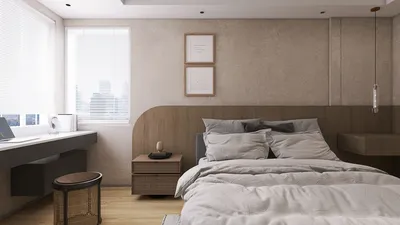


Having installed over a dozen faux stone feature walls for clients and my own residences, I've discovered that the key to success lies in a clear intention from the outset: what atmosphere do you wish to create with this wall? A rough-hewn slate design evokes a rustic feel, while sleek limestone patterns exude tranquility and sophistication. When your intention is clear, the subsequent factors—such as layout, lighting, materials, and intricate details—will naturally come together. You might even consider utilizing Homestyler to visualize your design concept effectively.
Before selecting a panel or a stone veneer, it’s crucial to consider how the room will be utilized. Research from Steelcase indicates that visual elements significantly impact perceived comfort and focus; in living areas, a singular focal texture minimizes visual clutter and enhances relaxation by simplifying the visual field. Lighting plays an equally important role: IES advises layering ambient, task, and accent lighting to manage glare and emphasize texture, while WELL v2 highlights the importance of balanced illumination and color rendering for visual comfort and mood enhancement. For further insights into harmonizing workplace and residential comfort, explore Steelcase’s research library, which consistently correlates visual harmony and material selection with behavioral outcomes.
Ergonomics should also be considered in your design. The WELL Building Standard highlights the need for consistent light levels and reduced glare for enhanced visual comfort—particularly important when incorporating a high-contrast textured surface. Carefully plan your accent lighting so that the relief of the faux stone is visible without creating harsh shadows around seating or TVs. In smaller spaces, position the feature wall opposite main seating to lessen visual fatigue; WELL v2 recommends thoughtful glare management and proportions in lighting, which I interpret as using softer 2700–3000K accent lighting with CRI 90+ bulbs for authentic color representation.
Designing the Wall: Scale, Layout, and Aesthetic Harmony
Scale plays a vital role in your design. Larger faux stone patterns with sizable 'blocks' are best suited for expansive areas, whereas smaller, tighter designs prevent a busy look on shorter walls. Aim for a 60–40 distribution: approximately 60% uniform surface area and 40% intentional variations—such as breaks, niches, or lighting features—ensuring that the wall feels deliberately crafted, not haphazardly assembled. If your wall includes outlets, switches, or vents, map these out early on and align the faux stone joints to minimize visual disruption.
If you’re reevaluating furniture placement and movement paths while adding the feature wall, consider utilizing an interior layout planner to assess sightlines and distances between seating. This helpful room layout tool allows you to simulate the interaction of a TV, sofa, and accent lighting with the new texture, preventing awkward glare or obstructed focal points: perfect for visualizing your design with Homestyler.
Selecting the Appropriate Faux Stone Material
Most DIY enthusiasts typically choose from lightweight polyurethane panels, high-density foam panels, PVC click panels, or thin stone veneer over a backer board. Polyurethane provides impressive texture depth and realistic appearances while remaining relatively light; foam panels are quick to install but require careful finishing for long-term durability; PVC options are easy to fit together but can appear excessively uniform if not thoughtfully mixed; and real stone veneer offers unparalleled authenticity but increases installation time, weight, and cost.
When purchasing, closely inspect corner pieces and transitions—poorly executed corners can quickly betray the faux nature of the material. Seek out sets with varied “stones,” irregular joint lines, and a matte finish. Steer clear of glossy coatings unless aiming for a sleek, polished-stone aesthetic. If acoustic comfort is a concern, dense polyurethane or veneer over mineral wool can help dampen sound reflections compared to traditional painted drywall.
Substrate Preparation: The Essential Foundation for Longevity
Preparing the substrate is vital for durability. Eliminate loose paint, fix any imperfections, and sand the surface to ensure a consistent grip. For panels, a flat and plumb substrate is essential; for veneer installations, use cement backer board over studs if the wall surface is uneven or situated in a damp environment. Prior to installation, prime porous surfaces using a bonding primer and account for movement by leaving small gaps at the edges that can be covered with trim.
Use a laser to mark a level datum line across the wall. Dry-fit two to three rows to ensure pattern variation and outlet alignment. If utilizing adhesive, adhere to the manufacturer's specified open time and apply even pressure to each panel. When working with veneer, back-butter every piece and maintain consistent joint width. For heavier panels, particularly in high-traffic areas, consider adding mechanical fasteners alongside adhesive for extra security.
Lighting: Form, Shadows, and Color Temperature
The texture reveals its beauty under appropriate lighting. Use low-profile wall washers or adjustable ceiling-mounted spots angled between 30 and 45 degrees to accentuate relief without creating harsh streaks. Keep ambient lighting around 150 to 300 lux in living areas, increasing localized accent light for contrast that suggests depth rather than glare. Stick to color temperatures of 2700 to 3000K for a warm stone appearance; a 3500K option suits modern concrete-gray designs. Ensure a consistent CRI of 90 or higher so that colors and veining remain true, avoiding inexpensive LED strips that produce a green hue.
Control is just as crucial as the fixtures themselves. Place accent lights on a dimmer switch and avoid positioning bright spots directly across from reflective surfaces such as shiny floors. If this wall borders a TV, it’s advisable to favor indirect wash lighting to lessen screen reflections and eye strain.
Color Psychology and Cohesive Design
Color temperature and hue significantly influence mood. Warmer, sandy shades tend to create a grounding and sociable atmosphere—ideal for living rooms and dining areas. Conversely, cooler slate grays promote concentration and tranquility, perfect for home offices. When selecting paint colors, opt for a lower-chroma hue that is one to two shades softer than the dominant stone color. Consider the impact of accent metals: blackened steel lends a contemporary feel, aged brass complements rustic stone, and brushed nickel adds a transitional touch.
Corners, Edges, and Transitional Details
Edges can enhance or detract from the overall illusion. Employ matching corner pieces or mitered panel edges for a seamless finish; avoid abrupt terminations at inside corners. For outside corners, carefully miter and conceivably disguise seams with darker washes or shadow gaps. Around outlets, swap out older cover plates for screwless versions in a shade that harmonizes with the darker tones of the stone. Where ceilings and floors meet, consider a 5 to 10 mm shadow reveal instead of traditional molding for a sharp, intentional finish.
Installation Steps: A Practical Guide
1) Confirm layout: sightlines, furniture placement, lighting locations. 2) Prep substrate: repair, sand, prime. 3) Dry-fit panels or veneer, checking for balanced pattern variation. 4) Establish a reference line and commence from the most visible corner. 5) Apply adhesive within the manufacturer's open time and use fasteners if needed. 6) Verify level at every layer; stagger joints. 7) Finish edges and corners professionally; manage outlets and vents with clean cuts. 8) Set up accent lighting and dimmers; adjust angles accordingly. 9) Touch up paint and seal if the product requires it. 10) Enhance the wall with art or shelving that complements its texture and weight limits.
Acoustic Comfort and Maintenance
Textures resembling stone can help break up reflections, which may slightly enhance mid- to high-frequency acoustics. If your room often feels lively, consider adding a soft rug and plush seating to counterbalance the harder surface of the wall. For maintenance, regularly dust with a soft brush or a vacuum attachment. If you have sealed the wall, utilize pH-neutral cleaners; avoid harsh chemicals that could polish high points and reveal inconsistencies in sheen.
Sustainability and Material Choices
Whenever possible, opt for panels manufactured from recycled materials and low-VOC adhesives. Lightweight products decrease transport emissions and facilitate installation without cumbersome backing. If selecting real stone veneer, ensure responsible sourcing and confirm that the finish is suitable for interior applications to avoid issues such as excessive dusting or efflorescence.
Common Pitfalls and How to Avoid Them
- Over-lighting: too many downlights create cluttered shadows. Instead, use a few well-placed washers. - Uniform patterns: rotate panels and mix designs to steer clear of repetitive visuals. - Overlooking edges: plan corners from the beginning; they significantly impact realism. - Incorrect color temperature: cool LEDs on warm stone can appear artificial. - Neglecting layout testing: simulate the interaction of furniture and viewing angles with an interior layout planner before finalizing your design.
FAQ
Choose panels for speed, lower weight, and easier DIY; opt for veneer for maximum realism and durability if you’re comfortable with mortar, backer board, and extended installation times. Panels work well in most living spaces, while veneer is more suitable for entryways and fireplaces where details are closely examined.
Employ wall washers or adjustable spots at an angle of 30–45 degrees, using a color temperature of 2700–3000K and a CRI of 90 or above. Maintain moderate ambient light while placing accent lights on dimmers to avert harsh shadows.
Typically no. The uneven surface slightly scatters reflections. Combining it with soft furnishings can help balance reverberation in active rooms.
Absolutely, if the paint is sound. Clean glossy surfaces, repair any damages, and prime with a bonding primer. For heavy veneer or in damp conditions, cement backer board is advisable.
Map them during your dry fit. Align faux joints to minimize visual interruptions, and employ screwless cover plates that blend with the wall's darker tones.
Only if required by the product or if the wall is close to a kitchen entry or fireplace. Use matte, breathable sealers to maintain texture without unwanted shine.
Opt for low-chroma neutrals that are one to two shades softer than the stone's dominant color. Pair warm sandy tones with taupe or greige, while cool slates harmonize with soft gray or muted blue-gray.
Focus on varied patterns, realistic corners, matte finishes, thoughtful lighting, and meticulous transitions. Counteract uniformity with intentional variation and shadow reveals to enhance depth.
Yes, by using indirect wash lighting and managing glare effectively. Keep accent lights off-axis from the screen and avoid using high-gloss finishes.
Utilize an interior layout planner to simulate sightlines and seating distances, ensuring that the feature wall remains a focal point without contributing to glare or visual strain.
Homestyler is your go-to online home design platform! With its user-friendly design tool, stunning 3D renderings, and a wealth of DIY video tutorials, transforming your home into a masterpiece has never been easier. Dive into inspiring design projects and unleash your creativity today!
立即免费设计
































