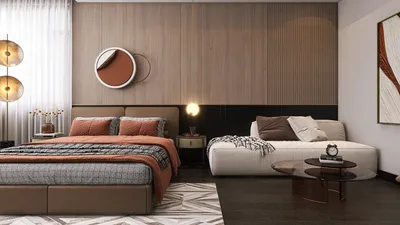


I've transformed countless spaces with feature walls, and one of the most rewarding changes often comes from a skillfully designed faux stone wall. When executed properly, it introduces depth, warmth, and architectural charm without the heaviness or expense of natural stonework. The secret lies in comprehending materials, lighting, and proportion, followed by intentionally layering textures for maximum effect.
Effectively designed surfaces balance both perception and performance. For open-concept homes, nearly half of individuals prioritize visual zoning (Gensler Research Institute, 2023), making a textured accent wall an excellent zoning signal. The importance of lighting cannot be overstated: the Illuminating Engineering Society (IES) suggests that living areas benefit from 150–300 lux, while focused accent lighting can reach up to 500 lux to emphasize textures (IES standards). Furthermore, neutral stone hues—like warm grays and beiges—are associated with lower arousal rates and enhanced tranquility (Verywell Mind, color psychology), allowing a faux stone wall to feel more grounded than dramatic.
When designing a layout that centers around the wall, thoughtfully planning sightlines and anchoring furniture can significantly impact the overall effect. Consider utilizing a room layout tool to experiment with focal points and circulation before making any material commitments.
Evaluate the Space and Define Your Objective
I begin by clarifying the purpose of the wall: is it a focal point, a background, or a divider for zoning? Measure the wall's width and height along with nearby openings. A faux stone wall shines best on continuous spans of at least 6–8 feet to appear deliberate rather than haphazard. Think about proportions: a full-height application can feel grand, while wainscot-height stone (36–42 inches) can contribute texture without overwhelming the space. Ensure the wall aligns with the main seating arrangement or a fireplace to maintain visual harmony.
Choose Your Method: Panels, Veneer, or Faux Finishes
There are three dependable approaches:
Align your choice with durability needs. In hallways, opt for impact-resistant surfaces, while in living rooms, focus on tactile authenticity and seamless transitions with neighboring finishes.
Material Selection and Color Tuning
Natural stone conveys complexity and subdued tones. I typically test three key shades: a base (warm gray), a mid-tone (cool taupe), and an accent (charcoal or bone). Keep chromatic intensity low to avoid overly vibrant results. Aim for a subtle difference of 5–10% between the stones. If using panels, dry-fit a couple of boxes to randomized pattern repetitions—flipping and staggering helps break up uniformity. For painted faux stone, I mix joint compound with universal colorants and apply a matte sealer to prevent a shiny, plastic look.
Lighting Is Essential: Showcase Texture, Minimize Glare
The success of a texture relies heavily on lighting. Side lighting (wall washers positioned 18–24 inches from the wall) casts soft, raking shadows. Accent lights set at 30–45 degrees enhance texture without creating harsh glare. Follow IES guidelines for ambient and accent lighting in living areas, and dim to 20–30% for a cozy ambiance in the evenings. Ensure that the color temperature remains within the 2700–3000K range for a warm, stone-like illumination. If adding fixtures is not feasible, direct lamp light off the wall using shades that disperse light sideways instead of directly outward.
Layout Considerations: Scale, Rhythm, and Sightlines
Before diving in, plan the positioning of primary furnishings and artwork. A faux stone wall should serve to anchor the sofa or dining table, rather than compete with them. Maintain a clearance of at least 36 inches along pathways. Vary the sizes of stones (whether natural or simulated) to avoid a monotonous grid; using a 1:2:3 ratio for module widths helps achieve a natural flow. Keep joint widths between 8–12 mm to maintain realism, and align horizontal lines with visual focal points. If you wish to visualize different arrangements, employing an interior layout planner can effectively simulate seating, lighting, and sightlines.
DIY Method A: Faux Stone Panels
Tools needed: level, miter saw, construction adhesive, finish nails, filler, touch-up paint. Prepare the wall by cleaning and priming it. Establish a level baseline. Begin from the center to maintain symmetrical patterns. Apply adhesive and press panels into place, securing the edges with nails. Offset seams to avoid lining up vertical joints. Fill any gaps and touch up with a matte finish for consistency. Use simple trim profiles (like square or shadow gap) to create a polished edge finish.
DIY Method B: Textured and Painted Stone
Necessary tools: joint compound, trowel, stencil or straightedge, artist brushes, glazes, and matte sealer. Begin with a skim coat of joint compound for subtle texture. While it’s still slightly moist, define joints using a dull blade or stencil, varying the sizes of the stones naturally. Once dry, apply layers of wash: start with the base color, add a mottled mid-tone using a sea sponge, and finish with lighter accents at corners for depth. Seal it all with a dead-matte topcoat to preserve the color and enhance durability.
Finishing Touches: Edges, Outlets, and Transitions
Meticulous detailing is key to achieving a convincing illusion. For open corners, wrap the pattern around for 1–2 inches or add a thin corner trim. Color-match outlets and switch plates to the wall's mid-tone instead of the darkest shade. Transition smoothly to adjacent wall paint with a sharp reveal; bulky trims should be avoided unless they integrate with other profiles within the room.
Acoustics and Upkeep
Textured surfaces can slightly scatter sound and diminish flutter echo, but they aren't substitutes for acoustic panels. If the room tends to feel lively, introduce soft furnishings opposite the faux stone wall. To maintain cleanliness, use a soft brush or microfiber cloth and steer clear of glossy sealers that highlight dust or glare. In high-traffic areas, consider a matte polyurethane finish specifically designed for walls to preserve the look without unwanted shine.
Sustainability and Health Factors
Make a priority of using low-VOC adhesives and paints, ensuring to review safety data sheets. The WELL v2 framework advocates for excellent air quality and lighting comfort within residential and workplace environments; foster this approach by ensuring adequate ventilation during installation and adjusting light levels to meet occupant needs (WELL v2). Repurpose leftover materials for smaller elements like niches or shelves to minimize waste.
Common Errors to Avoid
FAQ
Choose a clear, uninterrupted wall that naturally frames your seating or dining area. Avoid walls that feature multiple doors or large windows, as these may disrupt the visual rhythm.
Aim for an ambient light level of 150–300 lux, complemented by 300–500 lux accent lighting on the feature wall according to IES recommendations. Opt for warm 2700–3000K lamps to mitigate glare and enhance texture visibility.
Panels provide immediate tactile authenticity, while painted textures offer customizable patterns at a lower cost. Panels are ideal for areas with higher foot traffic, while paint suits lower-impact accent walls best.
Always order extra panels to stagger and switch when necessary. Start from the center for pattern symmetry, then trim edges as needed. Dry lay the materials to check for any repetitiveness before applying adhesive.
Indeed, but it is essential to check the heat and fire ratings for veneer or panels. Ensure that wiring is accessible; cut accurate openings and paint plates to seamlessly integrate with the design.
Opt for desaturated warm grays, taupes, and bone tones with a subtle 5–10% variation to avoid overly vibrant hues. Utilize layers of matte glazes to achieve depth.
While it modestly helps scatter sound, it is not a substitute for genuine acoustic solutions. Pair this with rugs, curtains, and upholstered furniture to establish a balanced acoustic environment.
Dust surfaces with a soft brush or microfiber cloth. Employ a matte sealer in high-traffic zones for durability. Steer clear of glossy topcoats as they can generate glare and showcase imperfections.
Maintain joint widths between 8–12 mm; thicker lines can appear cartoonish, while thinner lines read more naturally.
Ensure that seating arrangement faces the feature wall, keep paths clear with at least 36 inches of space, and balance artistic placements. Utilize an interior layout simulator to explore various configurations.
Painted textures are more straightforward to alter. For panels, consider using temporary mounting solutions or focus on sections that are removable.
Select low-VOC construction adhesives for panels and veneer; standard joint compound is sufficient for textured paint. Always adhere to manufacturer instructions and ensure proper ventilation during application.
Originally incubated at Autodesk, Homestyler has grown into one of the most widely adopted home design platforms in the world, now trusted by over 18 million users. Whether you're a homeowner exploring ideas or a professional designer delivering client-ready renders, Homestyler brings industry-leading 3D technology to your fingertips — no experience required.
Discover the creativity of home design with Homestyler! This user-friendly platform offers a powerful online design tool, stunning 3D renderings, and a wealth of design projects. Plus, you'll find inspiring DIY video tutorials to guide you every step of the way. Bring your dream home to life today!
Concevez maintenant gratuitement
































