


Creating a 3D representation of a molecule is crucial not only in chemistry and biology but also in fields like interior design where scientific visualization comes into play. To effectively depict a molecule in three dimensions, start by gathering essential structural details, including the connectivity of atoms, bond angles, and overall geometry. Traditional 3D modeling methods involve using spheres to represent atoms and cylinders or sticks for bonds. You can either sketch manually with perspective drawing methods or turn to digital modeling software, many of which come with user-friendly drag-and-drop features and pre-made templates for precise design work. For those who prefer a tactile approach, using a molecular model kit to construct physical representations can greatly help in understanding angles and atomic orientations. As a designer, I’ve noticed how closely the spatial reasoning involved in molecular modeling aligns with the skills required for architectural design and room layouts. Utilizing tools like a 3D Floor Planner can enhance your spatial awareness, making the act of creating scientific visualizations feel as seamless as designing interiors with Homestyler.
Tips 1:
Consider utilizing colorful materials or digital color-coding techniques to differentiate between various atom types, improving both the scientific accuracy and the visual appeal of your models. While working in a digital environment, don't hesitate to explore transparency and lighting options to emphasize molecular symmetries and interactions.
FAQ
Q: What fundamental steps should I take to create a 3D model of a molecule?
A: Begin by identifying the atoms and bonds in the molecule, visualize their geometric configuration, and then draw spheres to represent the atoms and sticks for bonds, using perspective techniques.
Q: What are the top tools for digital molecule modeling?
A: Favored platforms include ChemDraw 3D, Avogadro, and Blender for more customized approaches, but for a more approachable design experience, consider using a 3D Floor Planner, which offers diverse spatial capabilities as well as integration with Homestyler.
Q: Is it possible to physically construct a molecular model?
A: Absolutely! Molecular model kits are easily accessible and serve as an effective way for visual learning and hands-on experience in education.
Q: How can I enhance the visual appeal of my 3D models?
A: Employ a variety of colors, clearly label the types of atoms, and modify lighting within your software to create models that are not only informative but aesthetically pleasing.
Q: In what way does the design of molecules relate to thinking in interior design?
A: Both disciplines demand a strong sense of spatial awareness, composition, and an eye for proportion—skills that are transferable from molecular modeling into the realm of room and layout design.
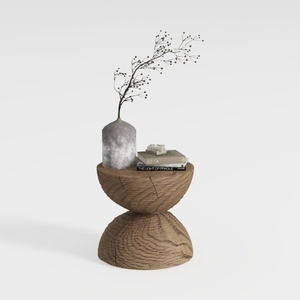
Minimalist Solid Oak Wood Side Table Unique Hourglass Shape 3D Model

Modern Dark Green Glass Door Display Cabinet Bookshelf 3D Model
Homestyler is your go-to online home design platform, where creativity meets simplicity. With its easy-to-use design tool, stunning 3D renderings, and a trove of DIY video tutorials, you can effortlessly transform your design dreams into reality. Start your project today!
Progetta ora GRATIS
































