


Creating a 3D model of a DNA sequence is not only a fun and educational task but also an effective way for both students and professionals to grasp the complex double-helix structure of DNA. Whether you are gearing up for a science exhibition, a classroom showcase, or simply wish to visualize genetic material in a more hands-on manner, crafting a physical model enhances your spatial understanding and transforms abstract ideas into tangible realities. Plus, utilizing tools like Homestyler to visualize your workspace can greatly enrich the learning experience.
Begin by collecting your supplies. Typical choices include pipe cleaners, colorful beads, foam spheres, or even LEGO blocks. Designate specific colors to represent the four nucleotide bases: adenine (A), thymine (T), guanine (G), and cytosine (C). Assemble the sugar-phosphate backbone using pipe cleaners or flexible rods to create two parallel strands. Match the nucleotide bases (A with T, and G with C) to form the rungs of your DNA 'ladder,' connecting them across the backbones with beads or connectors.
After constructing your ladder, gently twist the model to create the well-known double helix. For added authenticity, consider using adjustable joints, which allow you to demonstrate how the molecule coils and uncoils. From a design perspective, I frequently suggest building these models in various scales. This practice not only showcases microscopic details but also the overall structure, enhancing comprehension while giving your display a captivating appearance in any educational context. If you want to take your presentation to the next level, employing a 3D Floor Planner can help you digitally visualize your design within a customizable environment, seamlessly merging educational content with an engaging aesthetic.
Suggestions 1:
Utilize contrasting colors and textures for each DNA element—this will make your model visually impressive and assist learners in easily distinguishing between different parts. Incorporating labels or a key is also advantageous for group presentations or in classroom environments.
Frequently Asked Questions
Q: What materials are most suitable for creating a 3D DNA model in a classroom setting?
A: Options like pipe cleaners, colorful beads, foam balls, and LEGO bricks are favored because of their flexibility, variety of colors, and ease of construction.
Q: How can I guarantee accurate base pairing in my DNA model?
A: Make sure to consistently use paired colors or shapes—one color for adenine-thymine pairs and another for guanine-cytosine pairs—to visually emphasize the correct relationships.
Q: Is it possible to use 3D design software to create a DNA model before assembling it physically?
A: Absolutely! Many individuals use 3D modeling software or a 3D floor planner to design and visualize their DNA models in advance, minimizing errors during the building process and enhancing design precision.
Q: For educational displays, how many nucleotide pairs should my model represent?
A: Typically, a sequence of 8 to 12 nucleotide pairs is adequate for classroom demonstrations—it strikes a balance that showcases structure without being overwhelming.
Q: What benefits does twisting the DNA model into a helix offer?
A: Twisting the model illustrates the spatial relationships between DNA strands, helping learners to fully appreciate the natural structure and complexity of DNA.



AWQM 43.3" Dining Table Set for 4, Kitchen Dining
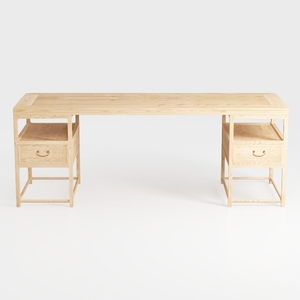
WEHUOSIF Writing Desk Natural,Desk for Bedroom,Rea
Homestyler is your go-to online home design platform, perfect for anyone looking to create stunning spaces. With an easy-to-use design tool, breathtaking 3D renderings, diverse design projects, and helpful video tutorials, you’ll find everything you need to bring your interior design vision to life!
Progetta ora GRATIS
































