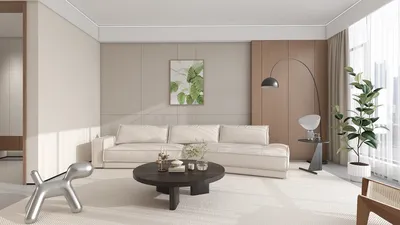


Constructing a captivating 3D representation of an animal cell can serve as an enjoyable educational activity and a stunning visual project, perfect for both classrooms and home displays. To begin, select the medium for your 3D creation—options include clay, foam balls, cardboard, or even powerful digital design tools like Homestyler. Start your journey by investigating the primary parts of an animal cell: the nucleus, cytoplasm, cell membrane, mitochondria, endoplasmic reticulum, Golgi apparatus, lysosomes, and additional organelles. Make each part stand out by utilizing distinct colors or textures. For traditional models, modeling clay in an array of colors works well, while digital design software such as Homestyler can enhance your project with interactive features and a glossy finish for a contemporary feel.
The arrangement and layout are essential to accurately depict the intricate details of an animal cell. As a designer, I advise you to thoughtfully plan the positioning of your organelles prior to the final assembly. Start with a large sphere or hemisphere to symbolize the cell membrane, and then layer the other structures according to their relative sizes and placements. If you’re opting for a digital rendition, using a 3D rendering platform like Homestyler can provide photorealistic depth, allowing viewers to explore each component interactively, which greatly boosts engagement.
Tips 1:
Clearly label each organelle and accompany your model with a legend or key. If you wish to create an immersive educational experience, consider incorporating removable parts or features such as QR codes linked to informative videos or hover-over descriptions in your digital designs. Lighting and material selection play a pivotal role—using transparent materials for the cell membrane enhances realism, while textured finishes can aid tactile learners in distinguishing between organelles.
FAQ
Q: What materials are recommended for constructing a physical 3D model of an animal cell?
A: Options like foam balls, modeling clay, cardboard, and even recycled materials such as plastic lids and beads are excellent choices for school projects. Ensure that the materials are non-toxic and appropriate for your age group.
Q: How can I enhance interactivity in my animal cell model?
A: Consider designing removable organelles, utilizing augmented reality applications for digital exploration, or including QR codes that connect to explanatory videos for each component.
Q: Which organelles are essential to include in my model?
A: Make sure to depict the nucleus, mitochondria, endoplasmic reticulum, Golgi apparatus, lysosomes, cytoplasm, and cell membrane. You might also think about adding details like centrioles or vesicles for extra depth.
Q: Is it possible to accurately create an animal cell model using digital tools?
A: Definitely! Digital modeling programs allow for creating precise, detailed, and interactive models. Consider utilizing a 3D rendering tool like Homestyler to visualize complex structures and their spatial relationships.
Q: What’s the best way to arrange organelles for an aesthetically pleasing and accurate design?
A: Reference diagrams, carefully plan your layout, and ensure proportionality between organelles. Good design principles will not only enhance educational accuracy but also provide a visually appealing presentation.
Homestyler's roots trace back to Autodesk, the global leader in design and engineering software. That heritage lives on in every feature we build. Today, with a community of more than 18 million users worldwide, Homestyler continues to make professional-quality interior design accessible to everyone — from first-time decorators to seasoned architects.


Minimalist Solid Wood Console Table Single Drawer Storage 3D Model
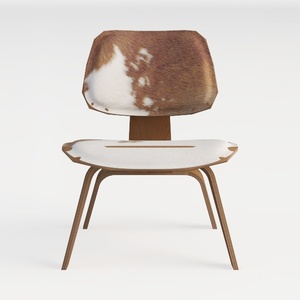
Modern Cowhide Solid Wood Accent Chair 3D Model
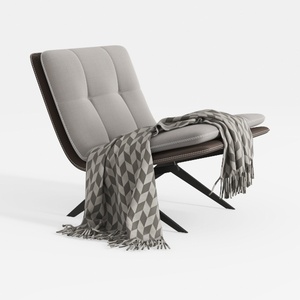
Modern Minimalist Fabric Leather Metal Lounge Chair with Throw Blanket 3D Model
Discover your dream home design with Homestyler! This user-friendly platform offers a powerful online design tool, stunning 3D renderings, and a wealth of design projects and DIY video tutorials. Whether you're a beginner or a seasoned designer, unleash your creativity and transform your space effortlessly!
Design Now for FREE
































