


Crafting a 3D model of a dolphin is an exciting endeavor, ideal for enthusiasts, artists, educators, or anyone passionate about digital design and modeling. To kick off your project, consider utilizing 3D modeling software such as Blender, Autodesk Maya, or even beginner-friendly platforms like Tinkercad. The creation process usually starts with forming the basic shapes, refining the dolphin's anatomy, enhancing it with realistic features, and ultimately texturing and rendering the complete model. Referencing accurate images of dolphins from various perspectives is essential for achieving a lifelike representation.
The general workflow entails constructing the foundational body shape using basic geometrical forms like spheres and cylinders, followed by employing sculpting or mesh-editing tools to capture the dolphin's smooth, streamlined appearance. After you’re content with the initial shapes, focus on defining characteristics such as the dorsal fin, tail flukes, and the beak, ensuring accurate proportions throughout. Upon shaping, you'll advance to detailing, adding subtle skin curves and modeling the eyes. Finally, applying appropriate materials and textures will animate your model, mimicking the shiny, wet skin of a dolphin. Rendering your project in 3D allows for versatile visualization from any angle, which is invaluable for both designers and educators.
As an interior designer, I often emphasize the importance of integrating your digital designs into real-life environments. For example, 3D models of animals like dolphins can significantly enhance themed children's rooms, aquatic exhibits, or educational spaces. If you're eager to integrate your 3D models or curated digital assets into spatial designs, leveraging a platform like Homestyler can facilitate visualization. This allows you to assess how your models fit within immersive scenes while testing lighting and positioning for the best visual effects.
Tips 1:
- Collect multiple reference images prior to modeling to ensure anatomical precision.
- Begin with low-polygon shapes and progressively add details for easier modifications.
- Organize complex elements (like fins and flukes) using well-structured layers or groups.
- Regularly save different versions of your model to protect against data loss during refinement.
- Research online libraries for 3D assets of dolphins if time is of the essence, or to find a reference model to adapt.
FAQ
Q: Which software is the most beginner-friendly for making a 3D dolphin model?
A: Intuitive programs like Tinkercad and Blender, with their user-friendly interfaces and extensive community tutorials, are perfect for newcomers.
Q: What can I do to enhance the realism of my dolphin model?
A: Concentrate on accurate anatomical details, smooth surfaces, and realistic textures. Studying actual dolphins and using photographic references will significantly boost realism.
Q: Is it possible to use a 3D dolphin model for 3D printing?
A: Absolutely, just export your completed model in a compatible format (such as STL) and ensure it’s manifold (watertight) for it to print successfully.
Q: What file types are recommended for sharing 3D dolphin models?
A: Commonly used file formats include OBJ, STL, and FBX, which work with most standard modeling software.
Q: How can I place a 3D dolphin model within an interior setting?
A: Utilize rendering software or home design applications to insert your model into a virtual room scene and adjust lighting and arrangements for optimal presentation.


Modern Marble Top Solid Wood Console Table With Decorative Accents 3D Model
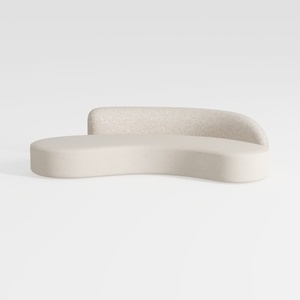
Minimalist Boucle Curved Sofa 3D Model
Discover the joy of home design with Homestyler! This user-friendly platform offers a powerful online design tool, stunning 3D renderings, and a wealth of inspiring design projects and video tutorials. Transform your ideas into reality, whether you're a beginner or a seasoned DIYer!
Progetta ora GRATIS
































