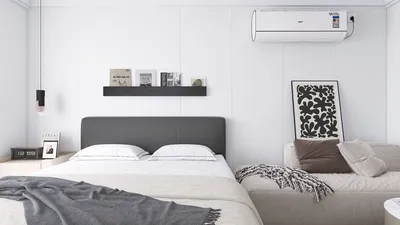


After dedicating nearly a decade to enhancing bedding standards for boutique and corporate hotels, I find that these same core principles apply seamlessly to creating a comfortable home environment. Key elements include clean, breathable layers, optimal warmth, a crisp touch, and an understated luxurious look. The bed's foundation should focus on performance—better sleep quality is achieved when thermal and tactile comfort work in harmony. Research from Steelcase indicates that a comfortable environment can boost perceived wellbeing and focus by as much as 16%, a trend that also resonates with the quality of rest experienced at home. The WELL v2 standard further emphasizes the importance of thermal and acoustic comfort, highlighting the significance of material choice and layering alongside mattress selection.
Making informed choices can significantly enhance the quality of any hotel bed. For example, the Illuminating Engineering Society suggests using ambient lighting of about 20–50 lux for winding down, which is crucial for melatonin release. This can be complemented by warm bedside lighting set at 2700–3000K to create a soft, sleep-friendly atmosphere. Additionally, color psychology tells us that desaturated blues and soft neutral tones are linked to feelings of calmness. Incorporating these insights into bedroom design allows for a bed that not only appears sumptuous but also provides essential physiological support, and that’s where Homestyler can assist in visualizing your ideal setup.
Start with the Mattress and Topper
Exquisite hotel beds are rarely constructed from just a single element. A medium-firm mattress offers essential spinal support for most types of sleepers, while a 1.5–2.5 inch down-alternative or latex topper can provide needed pressure relief without retaining excessive heat. For those who tend to sleep hot, I recommend a perforated latex option, whereas a hypoallergenic microfibre topper gives that light, luxurious feeling. It’s also crucial to ensure good edge support for an expansive feel and to have motion isolation features to prevent disturbances from a partner, which is a must for achieving that tranquil slumber typical of upscale suites.
Choose Breathable Sheets: Percale vs. Sateen
Authentic hotel-like crispness is achieved with long-staple cotton percale in the 250–350 thread count range. Higher counts aren't always better; over ~400 thread count can lead to reduced breathability and a waxy touch. The matte texture and cool feel of percale make it ideal for warmer climates and restless sleepers. If your preference leans towards a softer touch, cotton sateen around 300–400 TC will offer a subtle glow and warmth. Personally, I switch between percale during spring and summer and sateen in fall and winter to adapt. It’s best to avoid using optical brighteners; opting for a natural white or soft ivory will provide a richer, more timeless aesthetic.
Duvet Strategy: Weight, Fill, and Seasonality
Hotels typically carry a variety of duvet weights to accommodate the changing seasons and guest preferences. At home, I recommend a modular setup: a lightweight down-alternative insert (equivalent to 400–550 fill power) in the summer, and a mid-weight insert (600–700 fill) for transitional seasons, with the option to combine them for colder winter nights. If heat is an issue, consider a wool or Tencel-blend insert for superior moisture management without feeling clammy. It's also important to choose a baffle-box construction to maintain an even distribution of filling and that cloud-like loft.
Pillows: Mix Profiles for True Support
Using a two-to-three pillow system can accommodate various sleeping styles effectively. I recommend a medium loft down-alternative pillow for side sleepers, a lower loft option for back sleepers, and a firmer latex or foam pillow for those needing additional neck support. For those who love the sumptuous hotel aesthetic, adding European square pillows is perfect for reading or visual appeal, enhancing the luxurious layered look of your bed. Don’t forget pillow protectors to prolong pillow life and keep the look of your shams fresh.
Layering the Hotel Look
Creating a visually appealing bed requires balanced layering: a fitted sheet, flat sheet with a substantial 8–10 inch fold, a duvet in a crisp cover, and a light quilt or matelassé positioned at the foot for added texture and comfort flexibility. Stick to a tight color palette—generally, two to three tones work best. A tailored bed skirt or a neat platform base can enhance the overall polished appearance. If you're experimenting with different layouts or bed sizes in a limited space, a quick planning tool, like Homestyler, can assist in testing room layout and proportions effectively.
Fabric and Material Choices
Opt for natural or performance fibers that facilitate breathability, such as long-staple cotton, linen (softened through enzyme washing), Tencel lyocell, and high-grade microfibre for allergy-affected individuals. Linen offers a laid-back luxury with superb moisture-wicking properties, but pair it with cotton percale for a smoother initial touch. Steer clear of heavier polyester blends for main layers; they generally trap heat and compromise the overall tactile experience.
Ergonomics and Human Factors
From an ergonomic viewpoint, the bed height should ideally be between 24–27 inches from the floor to the top of the mattress, allowing easy access for most adults. Firm support along the mattress edges is essential for stability when transitioning from sitting to standing, especially beneficial during nightly routines. Ensure nightstands are within easy reach (typically 18–24 inches from the mattress edge) and align within 2 inches of mattress height to avoid straining when accessing water or light. For smaller rooms, maintain at least 24–30 inches of clearance on the sides for smooth circulation around the bed.
Light, Color, and Acoustic Comfort
Effective light management can greatly enhance that five-star feel. Bedside lamps or sconces fitted with 2700–3000K bulbs and equipped with dimming features help reduce afterglow; blackout curtains or dual-layer drapery are critical for managing external light. Additionally, incorporating a fabric headboard and soft rugs can reduce sound reflection—acoustic comfort plays a surprisingly essential role in perceived luxury. Color-wise, desaturated cool tones (like mist or stone) and warm neutrals (like ecru or mushroom) soothe the visual experience and enhance the brightness of white bedding without creating harsh glare.
Care Rituals that Preserve the Hand
Hotels do not simply invest in top-notch sheets; they also implement superior laundering techniques. Use a mild detergent while avoiding fabric softeners (as they coat fibers), and tumble dry on a low setting with wool dryer balls for freshness. Iron or steam pillowcases and the top 12 inches of flat sheets for a crisp folded appearance. Regularly rotate the mattress every quarter and refresh toppers and pillows in the sun to deodorize and loft the fibers.
Sustainability and Hypoallergenic Paths
When possible, opt for OEKO-TEX or GOTS-certified cotton and responsibly sourced down alternatives to support sustainable practices. Tencel and wool help manage temperature with fewer washes, perfect for allergy-sensitive homes. Look for sealed mattress and pillow encasements plus down-alternative fills to maintain a plush appearance with a lower irritation risk.
Budget Tiers that Still Feel Luxe
If you're building your bedding selection gradually, begin with a breathable percale sheet set and a quality mid-weight duvet insert. Next, add the topper, and then enhance the pillows. Even small, impactful details—like a well-crafted duvet cover with corner ties and a sturdy bed base—can create a premium feel more quickly than simply chasing high thread counts.
Bringing It Together
Achieving a luxurious sleep setup boils down to a series of intentional choices: breathable layers, appropriate levels of warmth, an ergonomic arrangement, and soft lighting. When these elements align, not only does the bed present an elegant appearance, but your body also finds tranquility quickly. This encapsulates the subtle charm of a hotel bed, and it’s something you can fully realize at home with the right tools, including the use of Homestyler for planning.
FAQ
Most hotels tend to use long-staple cotton percale with a thread count between 250 and 350 for that cool, crisp feel. Higher thread counts can reduce breathability and feel heavier.
Both down and down-alternative can provide a plush experience. Down is highly breathable but may trigger allergies; down-alternative is easier to clean and more reliable in loft. It’s best to select baffle-box construction for either option.
Aim for warm bedside lighting in the range of 2700–3000K, with dimming capabilities. Evening ambient light should ideally be around 20–50 lux to facilitate relaxation without causing visual strain, aligning with guidance from the IES.
Not necessarily, but incorporating a 1.5–2.5 inch latex or down-alternative topper can add generous pressure relief and that quintessential plush texture without sacrificing support.
For side sleepers, a medium loft is optimal; a lower loft works best for back sleepers; and a firmer latex or foam option is necessary for those requiring extra neck support. Adding European squares can enhance reading comfort and provide visual height.
Hotels maintain their linen quality through careful laundering with mild detergent, avoiding fabric softeners, drying on gentle settings, and pressing the top hem. You can achieve a similar effect by steaming the top 12 inches of your flat sheet.
Look for cotton percale, linen, Tencel, and perforated latex toppers. Wool-blend duvets are also excellent for humidity control, outperforming heavy synthetic options.
The ideal finished height from floor to mattress top should be 24–27 inches for most adults for easy sit-to-stand transitions. Ensure solid edge support for added stability.
Consistent side clearances of 24–30 inches, aligned nightstand heights, and centered lighting create an intentional feeling around the bed. It’s advisable to test proportions with an interior layout planner like Homestyler before purchasing large pieces.
Not really. Soft ivory or natural white generally appears richer and coordinates well with various warm or cool neutral shades. The feel and breathability of the fabric is far more important than the optical whiteness.
What began as an Autodesk innovation has evolved into a design platform used by more than 18 million people around the globe. Homestyler combines powerful rendering, an intuitive editor, and a vast furniture library to help you turn inspiration into photorealistic designs — whether you're redesigning a single room or planning an entire home.
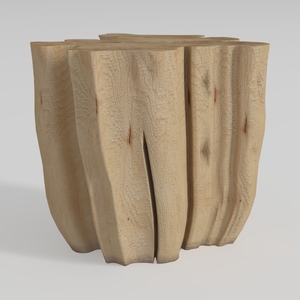
Natural Solid Wood Organic Shape Side Table 3D Model
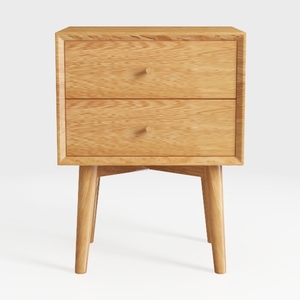
Mid Century Modern Solid Oak Nightstand 3D Model

Minimalist Solid Wood Walk in Wardrobe with Drawers and Storage Shelves 3D Model
Homestyler is your go-to online home design platform, perfect for transforming concepts into reality. With its user-friendly design tools, stunning 3D renderings, and a wealth of DIY video tutorials, creating your dream space has never been easier or more fun!
지금 무료로 디자인하세요
































