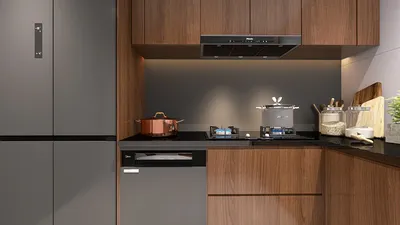


Gold truly shines in the evening, creating a captivating atmosphere. The secret lies in how it reflects light, complements deeper shades, and intertwines with textures, ensuring the environment feels cozy rather than overwhelming. A room designed for nighttime with gold works best when lighting is well-managed, featuring warm color temperatures, and strategically placed metallic accents that don't overwhelm the senses.
Two essential principles shape my design philosophy. First, the WELL v2 Light concept suggests utilizing warmer lights in the evening to support natural circadian rhythms; a warm white light in the 2700–3000K range indicates it's time to unwind, unlike cooler lighting over 4000K designed for daytime alertness. Additionally, Steelcase highlights the importance of layered lighting, which can enhance perceived comfort by allowing flexibility in brightness for various activities and moods. I creatively integrate ambient, task, and accent lighting in nighttime spaces, ensuring that golden tones remain rich and inviting well after dark.
Highlighting Metallics as Key Features
Gold looks best with intentionality. I focus on incorporating only a few golden highlights: a brushed brass lamp, an elegantly framed mirror, or sleek metal picture frames. Opting for brushed or satin finishes instead of high-gloss helps minimize glare and creates a softer glow under warm lighting conditions. I strive for a visual ratio of 70/20/10: 70% deep hues (like charcoal, midnight blue, or chocolate), 20% supportive neutral shades (such as bone or taupe), and 10% gold or brass accents to achieve a harmonious feel without overwhelming the senses.
Warm Lighting That Highlights Gold
To foster an inviting ambiance, I select dimmable warm LEDs at about 2700–3000K for general lighting and 2200–2400K for accent lighting, such as cove lighting. The Illuminating Engineering Society (IES) provides guidance on appropriate brightness levels, but for relaxation areas like lounges or bedrooms, I aim for approximately 75–150 lux of ambient light, with added accent layers that increase sparkle without brightening the entire scene. Position fixtures to enhance the textures around—whether it's linen drapes, limewash walls, or ribbed wood—so gold reflects beautifully in the subtle glow.
Integrating Ambient, Task, and Accent Lighting
An ideal nighttime area requires a balanced trifecta: a soothing ambient base, effective task lighting for reading or working, and highlighted accent lamps to illuminate metallic features. I recommend using a shaded floor lamp for soft ambient light, a directional sconce or reading lamp with a 3000K LED for clarity when needed, and smaller accent lights on shelves to gently highlight gold details with a lower 2200–2400K hue. Employing separate dimmers enables fine-tuning each layer, and incorporating candles or flameless options offers an inviting flicker.
Deep Tones to Enhance Gold Accents
Gold appears richer against saturated dark colors. Shades like midnight blue, oxblood, or deep forest green provide grounding elements that intensify metallic warmth. A matte finish on walls keeps reflections in check, while eggshell or satin can be reserved for trim to achieve a subdued sheen. Pair this with tactile neutrals such as woolen throws, linen bedding, or boucle cushions to strike a balance and avoid heaviness in the palette.
Textiles and Textures for Comfort
During the night, our experience of a room is often based on touch and tactility rather than visibility. I layer heavy curtains to block intrusive light, a plush rug for sound absorption, and a velvet or mohair accent piece to soften the light and deepen the atmosphere. Adding subtle gold stitching or trims enhances the shimmer without relying on large reflective surfaces, providing both acoustic comfort and reducing visual strain.
Controlling Glare and Reflectivity
High-gloss metallics can result in hot spots when illuminated directly. To diffuse intense light, employ fabric shades, frosted diffusers, and wall washers to create a soft glow. Positioning a gilded mirror to reflect dimmed lamps or candlelight, rather than bright bulbs, can multiply the warmth in the room. If a golden ceiling fixture is present, opt for lower-brightness bulbs (around 300–500 lumens) or dim-to-warm modules to avoid overwhelming intensity.
Furniture Arrangements to Foster Intimacy
Creating a cozy nighttime atmosphere is easier when seating is oriented toward soft light sources rather than screens or windows. I like to position seating to embrace the ambient light, while introducing a small table lamp slightly off-center to create inviting shadows across surfaces. When planning layouts or testing sightlines, using a virtual room layout tool is invaluable in visualizing light retention and glare pathways before I finalize the arrangement.
The Psychology of Color: Pairing Gold with Soft Neutrals
Gold evokes warmth, luxury, and vibrance. To ensure a calming nighttime environment, I temper it with cool neutrals like stone gray or pale mushroom, or with softened blues that promote relaxation. Studies in color psychology highlight that blues and greens can aid in de-stressing, whereas warm, vivid tones stimulate; this balance of gold accents alongside serene hues encourages unwinding after a long day.
Durable Materials and Finishes
Brushed brass, antiqued bronze, and hand-rubbed gold leaf develop unique character over time and do not demand a pristine, finger-mark-free surface. By combining these materials with honed stone and textured plaster, the design feels curated instead of overly shiny. Whenever possible, I lean towards low-VOC finishes and natural fibers to promote a tactile and sensory-friendly environment.
Art, Mirrors, and Subtle Radiance
Frame art pieces with slender metallic borders, allowing them to stand out against darker mat boards, thus softening the glow. A mirror featuring a delicate brass frame amplifies nighttime light if it reflects a group of candles or a dimmed sconce rather than the main source. Maintaining minimalism is key: settle for one statement mirror or a couple of smaller pieces to prevent an overwhelming reflection.
Navigating Nighttime Spaces with Safety and Comfort
In bedrooms and lounges, I design small zones: perhaps a reading nook, a pair of chairs for conversation, or a low coffee table for drinks. Incorporating low-level pathway lighting—for instance, toe-kick LEDs at 1–2 watts or a discreet nightlight—can help maneuver through spaces without flooding them with harsh light. This aligns seamlessly with my approach to supporting circadian-friendly behaviors while preserving that golden ambiance.
Staying Trendy in 2024–2025
Trends for the upcoming years favor dim-to-warm LEDs, rechargeable lamps for versatile accenting, as well as boucle and mohair for added tactile richness. Dark limewash walls continue to gain popularity. Mixed metals can also be incorporated in small amounts—think aged brass with blackened steel—while ensuring that gold remains the focal point. Smart dimmers with preset scenes simplify transitions from bright daytime illumination to a warm, golden evening ambience.
FAQ
Q1: What color temperature showcases gold best after dark?
A: For ambient lighting, target 2700–3000K and for accent or cove illumination, 2200–2400K enhances gold’s warmth while promoting a relaxing atmosphere.
Q2: What brightness should a gold-themed lounge aim for at night?
A: Aiming for about 75–150 lux ambient light is ideal. Utilize dimmers so task areas can increase briefly without losing the allure of metallic highlights.
Q3: What wall colors can amplify gold without creating weight?
A: Using shades like midnight blue, charcoal, deep green, or oxblood creates contrast. For lighter alternatives, consider stonelike grays or mushroom neutrals, leveraging gold as a restrained accent around 10%.
Q4: How can I combat glare from shiny metallics?
A: Opt for brushed or satin finishes, employ fabric shades or frosted diffusers, and aim to position lights in a way that they graze surfaces instead of hitting them directly.
Q5: Is mixing metals with gold acceptable?
A: Certainly—aged brass pairs beautifully with blackened steel or oil-rubbed bronze. Maintain gold as the primary accent and use others minimally, such as in hardware or frames.
Q6: What textiles work well in a golden night-themed room?
A: Fabrics such as velvet, mohair, heavy linen, and wool not only provide depth but also absorb light. Incorporating subtle gold threads or trims can add shimmer without causing glare.
Q7: What lighting controls are advantageous to add?
A: Dimmers for each layer (ambient, task, accent) combined with a smart scene control facilitate a swift and consistent transition between daytime brightness and nighttime warmth.
Q8: How should I arrange furniture for a warm golden glow?
A: Arrange seating to cluster within the ambient lighting and face warm light sources. Utilize an interior layout planner to test arrangements for optimal sightlines and brightness.
Q9: Do candles still hold significance with modern LEDs?
A: Definitely. Candlelight introduces movement and small reflections that enliven gold tones. Use real candles where safe or opt for high-quality flameless versions instead.
Q10: What sustainable choices can enhance a nighttime gold room?
A: Select low-VOC paints, opt for natural fabrics, use dimmable high-CRI LEDs, and choose resilient metal like brass that ages beautifully, minimizing the need for replacements.
Q11: How much gold is too excessive?
A: Limit gold to about 10–15% of the overall visual elements. Reserve larger surfaces for deeper tones and introduce gold through lighting, frames, hardware, or a singular standout piece.
Q12: What’s the optimal placement for mirrors alongside gold accents?
A: Position mirrors to reflect soft candlelight or dim lamps, rather than stark bulbs or windows. This approach amplifies warmth without increasing glare.

Looking to elevate your home design game? Homestyler is your go-to online platform, featuring an easy-to-use design tool, stunning 3D renderings, inspiring design projects, and informative DIY video tutorials. Transform your ideas into reality effortlessly and enjoy the creative process!
Concevez maintenant gratuitement
































