


I once worked with a client who believed that her ideal kitchen counter could serve as a bee sanctuary. However, the dream quickly turned sour when tiny black bugs made her lemon bowl their nightclub. This experience taught me that no matter how sleek your counters are, they can still attract pests if food crumbs, small gaps, and airflow are neglected. Small spaces encourage creativity, and today, I'm sharing five practical design-inspired solutions to keep those annoying bugs off your kitchen surfaces, possibly by utilizing design software like Homestyler to assist with planning.
1. Zone and Seal: Establish clean workstations
I always encourage defining specific zones for food preparation, cleaning, and storage on the counter. By maintaining a dedicated and organized prep area, crumbs and spills are less likely to find their way into hidden corners where pesky bugs reproduce. The benefit: simplified daily cleaning and fewer places for bugs to hide. The challenge: you'll have to resist the temptation to convert the entire counter into a clutter zone—use trays and small containers to maintain these designated areas. When visualizing the layout, I like to use a floor planner like Homestyler to optimize workflow in compact kitchens.
save pin
2. Material Selection: Opt for non-porous surfaces
Tiny black bugs are particularly fond of porous surfaces that trap oils and crumbs. I recommend materials such as quartz or stainless steel for countertops as they are not only easy to clean but also do not harbor residues. However, it's wise to consider your budget: while natural stone is stunning, it may need sealing and more upkeep. A pro tip: consistently wiping down surfaces with a mild degreaser post-cooking can significantly reduce the risk of infestations.
save pin
3. Intelligent Storage Solutions: Keep food sealed and off counters
Open food containers and loose baking supplies attract bugs. I always suggest using airtight jars and wall-mounted shelves in smaller kitchens to maximize counter space and starve pests of easy access to food. This not only enhances aesthetics and hygiene but also requires thoughtful consideration of which items you display—making stylish sacrifices can deliver impressive rewards in pest prevention.
save pin
4. Attention to Edge Details: Seal gaps and caulk seams
Most tiny black bugs don’t just appear; they find their way in through seams between your countertop and the backsplash or beneath appliances. I always check and apply caulking during renovations; it’s a cost-effective solution to block access and speeds up cleaning. The downside: caulking requires a bit of effort and occasional reapplication, but it remains one of the simplest preventive measures I advocate.
save pin
5. Hygiene + Airflow: Regular cleaning and smart ventilation
Proper ventilation combats humidity that can attract certain pests. Combine an effective range hood with daily spot cleaning and regular deep cleanings of trash and drain areas. I've encountered clients who adored minimalism but overlooked scruffy trash bins—avoid that mistake. A quick daily wipe and more frequent trash disposal can be more effective than any high-tech pest deterrent.
save pin
FAQ
Q: What are those tiny black bugs likely contributing to the mess on my counter?
A: They are commonly pantry pests, such as flour beetles or small ants. Identifying them is important: beetles tend to crawl slowly, while ants create discernible trails.
Q: Is it advisable to use chemical pesticides on my counters?
A: I prefer to avoid direct pesticide application on counters. Instead, focus on sealing areas, thorough cleaning, and utilizing targeted bait stations located away from food prep zones to minimize exposure.
Q: Can switching my countertop material truly help?
A: Definitely. Non-porous materials like quartz are not only easier to clean but also less likely to hold onto food residues that attract bugs.
Q: What should I do to stop tiny bugs from invading my cabinets and drawers?
A: Store dry items in airtight containers and vacuum shelves regularly. Utilize removable shelf liners for easy cleaning.
Q: Are there effective natural repellents?
A: Bay leaves, cloves, or cedar can serve as deterrents for some pantry pests, but they should complement rather than replace regular cleaning and sealing efforts.
Q: When should I reach out to a professional exterminator?
A: If pest problems persist despite your cleaning and sealing efforts, it's wise to consult a licensed pest control expert for safe evaluation and treatment. The CDC provides valuable guidance on best practices for pest management (https://www.cdc.gov/pests/).
Q: Can design tools aid in planning a bug-resistant kitchen layout?
A: Yes! Utilizing a digital planning tool, such as Homestyler, to visualize storage arrangements, foot traffic, and ventilation can help identify weak areas where pests might flourish. I frequently use a 3D floor planner for simulating layouts in smaller kitchens.
Q: What inexpensive fixes can I implement this weekend?
A: Clear clutter from your counters, transfer open food into airtight jars, seal visible gaps, wipe surfaces with a degreaser, and ensure frequent garbage disposal—these quick adjustments can significantly reduce tiny black bug sightings.
save pin
Originally incubated at Autodesk, Homestyler has grown into one of the most widely adopted home design platforms in the world, now trusted by over 18 million users. Whether you're a homeowner exploring ideas or a professional designer delivering client-ready renders, Homestyler brings industry-leading 3D technology to your fingertips — no experience required.
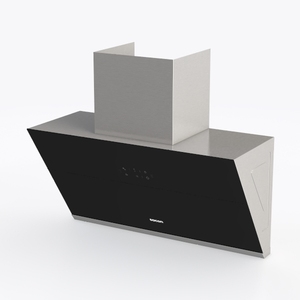
Modern Stainless Steel Glass Range Hood 3D Model

Minimalist Metal Adjustable Lamp Stand 3D Model

Modern Black Glass Stainless Steel Range Hood 3D Model
Transform your home design dreams into reality with Homestyler! This user-friendly platform offers a powerful online design tool, stunning 3D renderings, diverse design projects, and helpful video tutorials. Unleash your creativity and design your perfect space effortlessly!
Projete agora para LIVRE
































