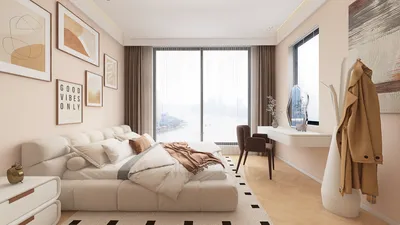


I once had a client who was adamant that their compact studio required a Persian rug that could also function as a bed — it overwhelmed the sofa and left no space for the kitchenette. This design misstep taught me the importance of mapping out layouts; I now create quick model layouts to assess scale before any purchases. Designing for a small space can be like solving a puzzle, with rugs often being the missing piece that either brings harmony or creates chaos underneath a tangle of furniture.
1. Opt for slightly smaller sizes to enhance flow
I frequently suggest selecting a rug that is marginally smaller than the room’s footprint, allowing furniture legs to rest partially upon it, which helps maintain visual flow. The benefit is that you can preserve room circulation while showcasing a border of flooring that visually enlarges the space; however, this comes at the expense of losing the fully anchored, cozy ambiance a larger rug provides.
save pin
2. Utilize runner rugs to delineate narrow areas
Runners can be a game-changer in hallways, galley kitchens, or layered in front of sofas; they direct the eye along the room while adding warmth without overwhelming it. They are also budget-friendly, easy to replace, and effective for high foot traffic — just be mindful of slippery backs and opt for low-pile or non-slip pads for safety.
save pin
3. Experiment with geometric or light patterns to enhance spatial perception
A modest rug featuring subtle geometric designs or a tonal pattern can create the illusion of a wider floor space. Such patterned rugs are excellent at concealing dirt and pair well with a mix of textures; however, if your wallpaper or upholstery is already busy, it’s advisable to opt for a calmer rug to prevent visual overload — and if uncertain, I often use a Homestyler model to preview the balance effectively.
save pin
4. Layer rugs for added depth without clutter
Overlaying a small natural fiber rug atop a neutral base rug introduces texture and visual interest without compromising scale. It’s a cost-effective method to refresh a space seasonally; just remember that excessive layering beneath a dining table or in high-traffic areas can feel bulky and pose a tripping risk.
save pin
5. Round rugs for irregular corners and open layouts
Round rugs can effectively salvage awkward corners and visually soften angular furniture in compact studios — they're particularly useful for cozy dining areas or beneath a round coffee table. In open-plan layouts, especially those adjacent to a kitchenette, a round rug can anchor the seating without confining the space; I often correlate rug selections with a quick reference from Homestyler to ensure it doesn’t conflict with traffic to appliances.
save pin
FAQ
Q: What is the ideal rug size for a small living room?
A: For small living rooms, aim for a rug that reveals at least 6 to 12 inches of flooring visible between the rug's edge and the wall, or place the front legs of furniture on the rug to foster cohesion without overwhelming the area.
Q: Should I choose light or dark rugs for compact spaces?
A: Light rugs reflect more light and typically give a sense of increased space, while dark rugs can ground a room and obscure stains; choose based on your lighting conditions and personal lifestyle.
Q: How can I stop a rug from sliding in a small apartment?
A: Utilize a high-quality non-slip pad cut to fit the rug size; this enhances safety, provides cushioning, and allows for air circulation to prevent mildew.
Q: Can patterned rugs make a compact room appear more cluttered?
A: Absolutely — bold, high-contrast patterns can visually congest a tiny room. I suggest opting for low-contrast or small-scale patterns for a more refined, space-expanding effect.
Q: Is layering rugs suitable for small interiors?
A: Layering can indeed introduce depth and texture without occupying additional floor space, but ensure layers remain thin and secure to avoid bunching in busy areas.
Q: Which rug materials are ideal for high-traffic small homes?
A: Low-pile synthetic options or flatweave natural fibers like wool or jute are both durable and easy to maintain; wool has a natural stain resistance while jute provides an organic appearance, albeit being less forgiving with spills.
Q: What budget should I set for a quality area rug in small spaces?
A: You can find decent small rugs ranging from $100 to $600 depending on the materials and brand; it’s wise to invest more in the main living area rug as it serves as an anchor for the overall design.
Q: Where can I virtually test rug placement before purchasing?
A: Many designers and online platforms allow you to visualize rugs in your space — for layout assistance and realistic previews, you may also refer to Homestyler for inspiration and expert tips.
save pin
Homestyler is your go-to online platform for home design! With its user-friendly design tool, stunning 3D renderings, and a wealth of inspiring design projects and video tutorials, you can effortlessly create and visualize your dream spaces. Start designing today!
تصميم الآن مجانا
































