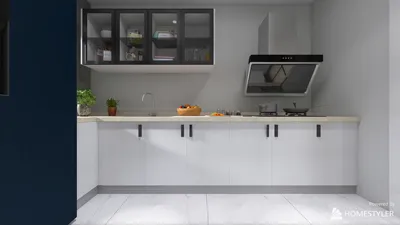


When designing living rooms, I find that round carpets are perfect for establishing a conversation area, softening sharp architectural features, and adding visual flow without overwhelming the space. A circular rug naturally draws seating closer together, creating an intimate setting that lessens harsh contrasts and simplifies movement, particularly in open layouts where the living space merges with dining or entry areas. Utilizing tools like Homestyler can further assist in visualizing these arrangements.
The effectiveness of any round rug depends heavily on its size and placement. Research conducted by Gensler highlights that distinct spatial zones can substantially influence collaboration performance—this principle applies at home too, enhancing comfort and social engagement in living areas. Herman Miller’s studies suggest that appropriate rug sizing fosters comfort through balanced seating and safe movement pathways. These important factors guide my decisions on diameter and positioning.
Equally crucial are the dynamics of color and lighting. As noted by Verywell Mind, colors significantly affect mood; warm shades evoke warmth and vitality while cool hues instill tranquility and focus. Coupled with smart lighting strategies—like adhering to IES guidelines for reducing glare and enhancing layered illumination—a round rug with a low-sheen finish can diminish glare from overhead lights, and a well-chosen color scheme can set the room's emotional ambiance effectively.
How a Round Rug Transforms Your Living Space
The use of a circular rug alters spatial perception effectively. It softens the lines in a room, mitigates tension between rectangular sofas and media units, and directs focus towards a central area. In settings with uneven architecture or angled fireplaces, a round rug can stabilize visual balance. I prefer to design a conversation zone where seating curves around the rug, keeping coffee table access straightforward while ensuring comfort.
Selecting the Perfect Size
As a general guideline, ensure the rug is substantial enough so that the front legs of sofas and chairs rest comfortably on its edges. In smaller spaces, a diameter of 6–8 feet suffices if seating is light and closely arranged; larger rooms may require a 9–12 foot rug to maintain proportion and avoid the sensation of floating furniture. For precision, I recommend mapping potential layouts using painter's tape, and the Homestyler platform can help simulate rug sizes and seating arrangements before making a purchase.
Material, Texture, and Acoustic Qualities
The choice of rug material is crucial. Wool is renowned for its durability, resistance to stains, and ability to absorb sound—ideal for lively spaces with hard flooring. Blends like wool and nylon offer durability for busy households. Viscose, while visually appealing, is best reserved for low-traffic areas. For optimal acoustic comfort, a plush pile with an underlay can minimize footfall noise, enhancing sound quality in rooms with high ceilings.
Understanding Color Psychology and Patterns
Color conveys social cues. For an energizing atmosphere, opt for warm tones like rust, terracotta, and muted saffron; for a serene environment, blues and greens work well, especially in naturally well-lit spaces. Patterns should complement—not overshadow—focal points. Drawing from the circular design principle, concentric patterns can help visually integrate furniture; subtle geometric designs maintain interest without overwhelming the senses. If art or a fireplace is the main attraction, a solid or lightly patterned rug lets textures shine.
Managing Light, Glare, and Pile Orientation
Under downlighting, high-sheen piles can create uneven sparkle. To lessen glare, I opt for low- to medium-sheen fibers, positioning the rug to orient the pile direction to mitigate hotspots along primary viewing angles. It’s essential to create an ambient light setup of around 200–300 lux for evening settings, layering in dimmable features for depth. This results in softer shadows on the rug while enhancing contrast, making reading and everyday activities more pleasant.
Establishing Spatial Ratios and Harmony
Visualize the rug as a framing device that organizes space. The diameter should harmonize with the seating arrangement and coffee table dimensions; a 36–42 inch coffee table pairs nicely with an 8–10 foot rug, providing ample leg space. Strive for a 12–18 inch walkway around the rug wherever feasible to ensure seamless movement. In elongated rooms, a round rug can break up monotony and serve as a focal point, while a smaller rug near a window can create an inviting reading corner—harmoniously tied together through consistent color schemes.
Safety, Edges, and User Considerations
Round rugs provide an added benefit of safety, eliminating sharp corners that can cause injuries. Utilizing a non-slip underlay is crucial, particularly on smooth surfaces. It’s important to keep the edges flush with adjacent flooring to prevent tripping hazards. For homes that accommodate all generations, selecting a medium pile provides a balance of comfort and stability, while ensuring that coffee table edges are visible against the rug aids in depth perception.
Layering Strategies
Layering a round rug atop a larger, low-pile rectangular one enhances structure while introducing textural contrast. I often position the rectangle parallel to walls, layering the circle to align with seating or the fireplace to foster a spacious feel without compromising the intimacy that a round rug offers. Keeping color tones cohesive keeps the visual environment unified.
Sustainability and Longevity
Wool rugs are remarkable for their wear resistance and repairability; selecting undyed or low-dye options minimizes environmental impact. Look for rugs that are hand-tufted or hand-knotted with quality backing to prevent warping. It's beneficial to rotate rugs seasonally to avoid uneven wear, and vacuuming with a mild beater setting helps lift dirt while preserving the pile's integrity.
Placement Examples
- In a compact square living area: position a 6-8 ft rug centered under a round coffee table surrounded by two lounge chairs and a loveseat to foster a vibrant conversation space.
- In a long, narrow living room: use a 9-10 ft rug to anchor central seating, complemented by a smaller 4-5 ft rug near the window creating a cozy reading nook to balance the spatial composition.
- For an open-plan layout: float a 10–12 ft rug to delineate the living area; align its center with the main sightline from the entrance while allowing 30–36 inches of clearance around the rug for easy movement. Experiment with different configurations using a layout tool like Homestyler for optimal spatial clarity.
Budget-Friendly, Quality Insights
Maximizing value comes from investing in quality materials and classic color schemes. If finances are limited, focus first on the rug’s size and underlay; neutral colors can be enhanced with cushions and throws. In pet-friendly households, opt for tightly woven designs that conceal minor damage; for sun-exposed areas, selecting solution-dyed materials can prevent fading.
To optimize design choices, I rely on industry insights regarding human comfort, behavior, and lighting. For further understanding of workspace functionality and behavioral studies, explore Gensler Research, and refer to color psychology analyses from Verywell Mind when crafting your home's ambiance. These references aid in marrying aesthetics with practicality.
FAQ
Q1: What size round rug is suitable for a sectional sofa?
A1: A diameter of 9-12 ft is ideal, ensuring at least the front legs of the sectional and adjacent chairs rest on the rug for stability, allowing easy access to the coffee table without obstructing movement.
Q2: How can I prevent curling or waves on a round rug?
A2: Utilize a felt-and-rubber underlay that is slightly smaller than the rug, and rotate the rug every season. Avoid placing heavy furniture solely at one edge; even weight distribution prevents distortion.
Q3: Are round rugs appropriate for smaller living rooms?
A3: Absolutely. A 6-8 ft round rug can effectively focus seating without making the room appear smaller. Keep furniture legs partially on the rug and leave 12-18 inches from the walls for an open feel.
Q4: Which materials are best suited for high-traffic areas in living rooms?
A4: Wool or wool/nylon blends are ideal due to their resilience, natural dirt resistance, and acoustic properties. Avoid high-sheen viscose in busy areas, as it shows footprints and is more prone to spills.
Q5: How do lighting selections affect the appearance of a round rug?
A5: Bright downlighting can create glare on high-sheen rugs. By layering ambient lighting and adding dimmable accents, you can reduce contrast and arrange seating to minimize direct light glare across the rug's viewing line.
Q6: Can a round rug complement a rectangular coffee table?
A6: Definitely. Position the table centrally while ensuring there’s enough knee clearance around the edges. Choosing rugs with subtle concentric or radial patterns helps aesthetically unify the round rug with the rectangular table.
Q7: What color approaches enhance a living room's mood?
A7: Warm, earthy palettes promote hospitality and energy, while cooler tones foster calm. Use color psychology to strengthen the room's intention, reflecting these hues in textiles and artwork for cohesion.
Q8: How do I establish areas in an open plan using a round rug?
A8: A large round rug can solidify the living space, aligning its center with prominent visual lines while maintaining 30–36 inches of clear traffic around its edges. Layering over a larger neutral rug can enhance the statement if necessary.
Q9: What underlay should I opt for ensuring comfort and safety?
A9: A combined felt-and-rubber pad provides cushion, stabilizes edges for safety, and improves sound quality. This choice also prevents slippage on smooth floors while ensuring even wear over time.
Q10: What’s the best way to clean and care for a round rug?
A10: Vacuum weekly with a gentle setting to avoid fuzzing the pile; promptly spot-clean stains with suitable solutions. Rotating the rug every few months helps keep exposure and wear evenly balanced.
Q11: Are round rugs appropriate for homes with pets?
A11: Yes—opt for tight weaves and moderate patterns to disguise minor wear. A low- to medium-pile wool blend withstands dirt easily, and a quality underlay mitigates movement during lively activities.
Q12: Can I layer a round rug over carpet?
A12: Yes, but use a thin non-slip pad designed for carpet layering to keep the rug securely in place, and select a contrasting texture to ensure that the round rug feels intentional rather than accidental.

Meridian Furniture 77054Natural Everson Collection
DUOMAY Modern Boucle Dining Chairs Set of 2,


Rustic Solid Wood Round Coffee Table With Black Metal Legs 3D Model
Homestyler is your go-to online platform for effortless home design. With its user-friendly design tool and stunning 3D renderings, you can explore various styles and layouts. Plus, you’ll find inspiring DIY home design video tutorials to guide your creative journey. Transform your space today!
تصميم الآن مجانا
































