

As a professional specializing in small space design, the choice of a compact sofa often proves crucial: it sets the ambiance, dictates movement, and affects the functionality of a room from morning to night. When selected thoughtfully, a small-scale sofa can create a sense of generosity, offer comfortable seating, and maintain clear sightlines for serene, uncluttered living spaces. Utilizing tools like Homestyler can assist in visualizing these spaces effectively.
Maximizing space isn't only about aesthetics; it significantly influences behavior and mental health. Research from Gensler indicates that effective circulation patterns and appropriately sized seating enhance usability perception while decreasing spatial stress, correlating with greater satisfaction in compact living areas. The WELL v2 Fitness and Mind guidelines emphasize the importance of supportive seating arrangements; this translates to ensuring adequate seat depth (17–21 inches), proper back support, and controlled lighting to mitigate eye strain in reading areas. Many contract-grade furniture designs, endorsed by IIDA and ASID, reflect these ergonomic principles.
The way lighting interacts with compact sofas is also essential. The Illuminating Engineering Society suggests maintaining brightness levels between 300–500 lux in living spaces and using warm white lighting (2700–3000K) to foster relaxation during the evening. In smaller rooms, balancing light intensity without drastic contrasts helps minimize visual fatigue, making the sofa area more inviting. If your layout is still in the design phase, a room layout tool like Homestyler can help simulate sofa dimensions, traffic routes, and viewing distances prior to making a purchase.
What Makes a Compact Sofa Work?
In the realm of small spaces, proportions and user comfort outweigh mere style. I focus on three core elements: a seat depth of approximately 18–20 inches for optimal pelvic posture, an overall length ranging from 60 to 75 inches to anchor the room without obstructing circulation, and thoughtfully designed armrests that maximize usable width. Sofas with rounded corners are particularly beneficial for micro-apartments with limited hip clearance. Designs featuring slim arms and elevated legs enhance the perception of space by allowing light to flow, making the area feel more expansive.
Top Compact Sofa Types
Perfect for studios and one-bedroom apartments, these sofas should have tight backs (to avoid bulky cushions), medium-firm foam with a fiber wrap, and a seat height of 17–19 inches to facilitate easy seating and standing. Low arms contribute to an illusion of spaciousness; pairing with a narrow coffee table (14–16 inches deep) supports an unobstructed walkway of 24–36 inches.
For bay windows and alcoves, loveseats are ideal. I recommend bench seats (single cushions) to eliminate gaps and maximize lounging comfort. If entertaining is a regular occurrence, consider pairing a loveseat with two lightweight occasional chairs for flexible seating that does not impede traffic.
Armless sofas optimize seating width within the same footprint, minimizing visual bulk. If you enjoy reading in an upright position, adding a sleek bolster can provide necessary side support.
Settees ranging from 40 to 55 inches are excellent for dining-kitchen combos or entryway lounges. These can feature a higher back for noise absorption, which is particularly useful in kitchens with hard surfaces. Opting for performance fabric in these zones is advisable to tackle potential spills.
A compact chaise sectional, measuring around 80 inches on its longer side, can serve as a replacement for a traditional sofa and lounge chair setup, thus freeing up valuable floor space. Look for reversible chaise options to adapt to varying schemes or future relocations.
Proportions, Comfort, and Ergonomics
The ideal seat depth should cater to the user’s body dimension: shorter individuals often find 17–18 inches comfortable, while taller users benefit from 20–22 inches. If you prefer a deeper seat, lumbar pillows are an excellent addition for maintaining the natural S-curve of your spine. For reading purposes, armrests around 24–26 inches work well; if lounging is the goal, lower arms may be beneficial. A cushion firmness of about ILD 30–35 (medium) provides comfort without compromising support.
Materials That Work Hard
In smaller dwellings, durability becomes paramount, as furniture faces more frequent use. I tend to specify woven performance fabrics with a minimum of 30,000 double rubs on the Wyzenbeek scale, solution-dyed acrylics for fade resistance, and removable zippered covers for easy care. Reinforced hardwood frames with corner blocking stand up to regular moves. If leather is preferred, semi-aniline options offer a favorable balance of softness and stain protection. Sustainable selections like FSC-certified wood and CertiPUR-US foams help minimize VOCs, positively impacting compact spaces.
Color Psychology for Small Living Rooms
Color choice transcends mere aesthetics; it influences emotional states. According to Verywell Mind, soft blues and greens are known for their calming effects, while warm neutrals lend a cozy, grounded ambiance. In micro-spaces, I tend to favor subdued hues to limit visual distraction, enhanced by textures through woven fabrics, piping details, and accent throws. It’s best to reserve high-contrast patterns for small accessories, ensuring the sofa remains a serene focal point.
Lighting and Acoustic Comfort
Incorporating a layered lighting approach is essential for flexibility in compact spaces: consider a dimmable floor lamp positioned at the outer corner of the sofa, a wall sconce for reading, and ambient light from ceiling or track lights. Targeting 300–500 lux at reading positions and warming light (2700–3000K) for evenings aligns with IES recommendations. For sound, fabric sofas can absorb mid-to-high frequencies; placing a rug beneath the coffee table helps minimize noise from foot traffic, and a high-back settee can soften echoes in more reverberant areas.
Layout Strategies for Tiny Rooms
Prioritize measuring circulation space: aim for 30–36 inches between the sofa’s front and the table’s edge; this can be reduced to 24 inches in more constrained settings. Maintain at least 18 inches between the sofa and side tables for comfortable reach. For optimal viewing of televisions, a distance between 1.5–2.5x the screen height is advisable to prevent eye strain. If you’re exploring layout options, an interior layout planner like Homestyler can help visualize changes and traffic paths before finalizing your choices.
2024–2025 Design Signals
Currently, compact sofas are trending toward lighter and more modular designs: think slim rolled arms, bench seating, knife-edge back cushions, and elevated legs. Features like reversible chaises and add-on corner pieces are ideal for adapting to future moves. Fabrics like Bouclé, textured linens, and recycled polyester blends are gaining popularity, yet performance velvet continues to be favored for family-friendly spaces. Warm neutrals along with shades of sage and deep ink blue complement natural wood and matte black accents remarkably well.
Buying Checklist
- Measure your longest wall and ensure door clearances (width, height, turning angles).
- Verify seat height (17–19 inches), seat depth (typically 18–20 inches), and overall length (60–75 inches).
- Evaluate cushion feel: aim for medium firmness combined with supportive back foam; standing up should be effortless.
- Opt for performance, low-VOC materials; check care labels and resistance ratings.
- Choose designs with removable legs and modular frames suitable for walk-up buildings.
- Plan your lighting and table spacing prior to delivery; ensure effective cable management behind the sofa.
FAQ
Most individuals find that a seat depth between 18–20 inches adequately supports both upright seating and lounging with a pillow.
A sofa length between 60 and 72 inches typically allows for 24–36 inches of passage space in living areas.
Absolutely. A single bench cushion maximizes sitting area, delivers a streamlined look, and avoids gaps that may reduce seating efficiency.
Performance fabrics with over 30,000 double rubs, solution-dyed acrylics or polyester blends, along with removable covers, are practical choices for smaller homes.
Aim for light levels between 300–500 lux at your reading spots and warm light (2700–3000K) for evenings. A combination of a floor lamp, wall sconce, and dimmable overhead lights can help minimize glare.
Yes, as long as the longer side remains approximately 80 inches and the chaise is reversible. This can effectively replace a lounge chair while conserving floor space.
Low, slim arms or armless configurations maintain clear sightlines and increase net seating width without adding to the footprint.
Maintain a distance of 24–36 inches between the sofa and the table, 18 inches to the side tables, and ensure pathways are clear around door swings. Consider using a layout simulation tool like Homestyler before making your purchase.
Calming, low-chroma neutrals, blues, and greens are ideal as per color psychology concepts, while high-contrast designs are best left for minimal accents.
Select kiln-dried hardwood with corner blocking, sinuous springs or webbing, and medium ILD foam (about 30–35) for optimal support and comfort.
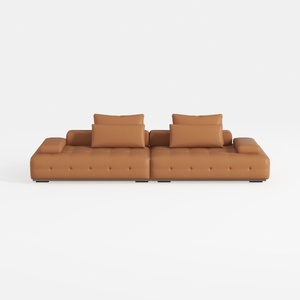

Valencia Nathan Nappa Leather Couch - 4 Seats with
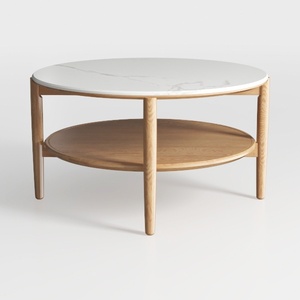
VASAGLE Round Coffee Table, 2 Tier Coffee Table wi
Looking to transform your home? Homestyler is your go-to online design platform! Featuring an intuitive design tool, stunning 3D renderings, and an array of design projects and video tutorials, it's perfect for anyone ready to unleash their creativity and bring their vision to life.
Diseño ahora GRATIS
































