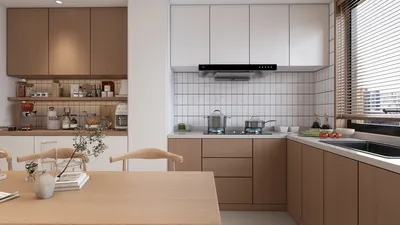


When designing small spaces, selecting a ceiling fan that effectively circulates air without overwhelming the room aesthetically is crucial. Additionally, an integrated light fixture should provide adequate illumination—eliminating any hotspots or glare. My top picks for compact fans feature low-profile motors, blades that range from 36 to 44 inches, and high-quality LED lighting that minimizes glare while offering warm-neutral color temperatures. For rooms that are less than 120 square feet, I typically aim for 1 to 2 air changes per minute and ensure that the lighting meets both task and ambient needs without needing additional fixtures.
Evidence supports the need for balanced air and lighting solutions. According to the WELL Building Standard (WELL v2), it is essential to reduce glare and ensure proper illuminance for visual tasks. Typical comfort levels for home activities hover around 200 to 300 lux for ambient light and 500 lux for focused tasks, achievable with quality LEDs and diffusers. Research from Steelcase also emphasizes that thermal and visual comfort greatly impact focus and satisfaction—better environmental control translates to improved performance. The color temperature of lighting is also significant: soft warm tones around 2700 to 3000K foster relaxation, while neutral whites (3500 to 4000K) maintain a crisp atmosphere without feeling sterile. I adjust color temperatures according to room purpose—warmer hues in bedrooms and neutral tones in studies and living areas.
Proper airflow sizing is vital as well. For compact spaces with 8 to 9-foot ceilings, small fans with airflow ratings between 2500 to 3500 CFM are typically effective, especially when the blades are pitched at 12 to 15 degrees for quiet operation. It's important to maintain proportional blade spans: for rooms up to approximately 100 square feet, keep it between 36 to 42 inches, and increase to 44 inches for around 120 square feet. Opt for flush-mount (hugger) designs to maintain headroom while minimizing any wobble in low ceilings.
Key Considerations for Ceiling Fans in Small Rooms with Lighting
I focus on five main criteria: silent operation, balanced airflow, glare-minimizing lighting, energy efficiency, and streamlined aesthetics. A quiet DC motor provides tranquil environments in bedrooms and studies while operating more efficiently. Regarding lighting, select a high-quality LED with good diffusion, aiming for a 90+ CRI, if obtainable, and an adjustable color temperature between 2700 and 4000K. The lens design should reduce direct exposure to the LED light to minimize glare—particularly important in smaller rooms where the fixture is always visible.
Blade Span and Layout Compatibility
The span of the fan blades significantly influences both visual appeal and airflow. In rooms measuring less than 10 by 10 feet, a fan sized between 36 to 42 inches will efficiently circulate air without overpowering the room’s ceiling. Ensure at least 18 inches of clearance from the walls to prevent turbulence. In spaces with unconventional furniture arrangements or alcoves, using a room layout tool can assist in determining the most centered fan location relative to seating or the bed. For tight spaces, a compact 3-blade design can appear visually lighter than 5-blade options while still maintaining performance.
Room Layout Tools
Quality of Lighting: Bright Yet Soft
Small rooms can amplify glare considerably. Select fans equipped with a domed or frosted lens that disperses light evenly across the ceiling. For bedrooms, target around 1500 to 2000 lumens, while compact living areas may require up to 2500 lumens; dimming capabilities are beneficial for adjusting ambiance and task lighting. Neutral white (3500 to 4000K) accurately represents colors—a plus for home offices—while 2700 to 3000K provides warmth in sleeping areas. Follow IES illuminance standards for proper lighting levels: approximately 200 to 300 lux is comfortable for ambient lighting in living areas; supplement the fan's light with a floor or table lamp for task lighting, if necessary, to minimize glare.
Sound Level and Comfort
Minimizing noise is key, influenced by motor type, blade balance, and installation method. DC motors tend to be quieter than their AC counterparts at similar speeds. Utilize a stable mounting bracket and ensure balanced fan operation; even slight wobbling can amplify noise in small areas. For bedrooms, low-speed airflow that creates a gentle breeze without direct drafts on the face enhances sleep quality; positioning the fan over the bed while adjusting airflow so it circulates around the sleeper rather than directly at them is ideal.
Ceiling Height and Installation
For rooms with low ceilings, hugger fans are crucial to ensure safe clearance; typical 8-foot ceilings benefit from low-profile fixtures that maintain about 7 feet of clearance above the floor. In rooms with 9-foot ceilings, a short downrod can enhance airflow by increasing the distance of blades from the ceiling to minimize bounce-back. Always verify the total height of the fixture, including the light kit, before making a purchase.
Material and Finish Selections
In compact spaces, the choice of finishes can affect perceived size. Light wood or matte white blades can blend seamlessly into the ceiling, creating a less visually heavy appearance. For contemporary rooms, opting for simple cylindrical light fixtures can help avoid visual clutter. In coastal or humid areas, prioritize fans with rust-resistant materials and composite blades; additionally, consider ENERGY STAR-rated models featuring efficient LEDs and long-lasting drivers to minimize replacement cycles.
Compact Choices for Different Room Types
- Small Bedrooms (up to ~100 sq ft): 36–42 inch DC fan, dimmable LED at 2700–3000K, hugger mount. Quiet performance is essential.
- Compact Living Rooms (~100–120 sq ft): 42–44 inch fan, LED around 3500–4000K at 2000 to 2500 lumens; pair with a reading lamp to reduce glare from the fan light.
- Home Offices (80–120 sq ft): 42 inch fan, neutral 3500K LED with a 90+ CRI for color accuracy; use moderate speeds to maintain alertness without excess noise during calls.
Control Solutions
Opt for fans that come with handheld remotes or wall controls, along with the ability to dim the light separately. Smart controls can be programmed to adjust fan speeds based on temperature and occupancy. However, manual overrides should remain accessible; in smaller spaces, straightforward controls are preferable to complex automation.
Placement and Aesthetic Harmony
Position the fan in line with the room's primary function—over the bed, main seating area, or central workspace. Ensure unobstructed sightlines from the entrance; a compact fan shouldn’t dominate the first impression of the room. If your ceiling features architectural elements such as beams or skylights, align the fan to preserve visual rhythm and reduce clutter.
Quick Specification Summary
- Blade size: 36–44 inches for compact spaces
- Airflow: Approximately 2500–3500 CFM effective for small rooms
- Motor: DC option for quiet, smooth operation
- Mount: Hugger for 8-foot ceilings; utilize short downrod for 9-foot ceilings
- Light: Lumens between 1500–2500, color temperature 2700–4000K, dimmable, low-glare lens
- CRI: Aim for 90+ if color quality is important (e.g., for art or home office)
Insights from the Field
During recent renovations of small bedrooms, I have noted that the greatest comfort improvements arise from using a 36–42 inch DC hugger fan complemented with a frosted, high-CRI LED. Operating the fan at a steady low speed throughout the night, the dimmer can be adjusted to emit warm light before bedtime and neutral light during the day. Choosing blades in lighter finishes visually elevates the ceiling height—a subtle adjustment that alters the room’s perceived spaciousness.
Referenced Guidelines and Studies
For insights on glare reduction and luminance, referring to the WELL v2’s Light concept serves as an excellent reference for home adaptations (WELL v2). Steelcase’s research library provides substantial information regarding the links between environmental comfort and productivity (Steelcase Research). For guidance on choosing light temperatures informed by color psychology, Verywell Mind offers practical insights.
Frequently Asked Questions
Q1: Which fan blade size is appropriate for rooms smaller than 100 square feet?
A 36 to 42 inch blade span typically achieves balanced airflow without overwhelming the ceiling's visual space. Maintain at least 18 inches clearance from walls for optimal airflow.
Q2: What brightness should the integrated fan light possess?
Aim for 1500 to 2000 lumens for small bedrooms and up to 2500 lumens for compact living spaces. Use dimming features to adjust brightness for different tasks while managing glare.
Q3: What is the best color temperature?
For bedrooms, a color temperature of 2700 to 3000K promotes a calming atmosphere, while home offices and living rooms benefit from a crisp feel at 3500 to 4000K. Neutral white lighting helps maintain color fidelity.
Q4: Is investing in a DC motor worth it?
Absolutely. DC motors generally operate more quietly, are more energy-efficient, and provide smoother speed adjustments—especially useful in small spaces where sound can be amplified due to proximity.
Q5: Can hugger fans move sufficient air?
For 8-foot ceilings, a well-designed hugger fan with the correct blade pitch (12 to 15 degrees) and an airflow rating of about 2500 to 3500 CFM is quite adequate for most compact rooms.
Q6: How can I decrease glare from the fan's light?
Choose fans equipped with frosted or domed diffusers, avoid exposed diodes, and use dimming options. Positioning the fan centrally helps distribute light evenly across the ceiling.
Q7: What should I do if my room features a beam or slopes downwards?
Utilize an appropriate mounting kit or a shorter downrod for gentle slopes; align the fan to the room’s centerline to maintain visual coherence. Ensure that the fixture is anchored securely into a joist for stability.
Q8: Does having a higher CRI matter in smaller rooms?
Certainly, especially in home offices or spaces with artworks. A 90+ CRI LED allows for more accurate color rendering, contributing to a visually comfortable environment.
Q9: What should be considered regarding acceptable noise levels for bedrooms?
Ideally, the fan should produce a soft, consistent hum at low speed. DC motors along with well-balanced blades help minimize intrusive sounds and vibrations.
Q10: Which control options are most practical?
Preferably, choose fans that allow separate dimming of light with speed settings. Simple remotes or wall controls work well; advanced smart controls can be useful if you wish to set automated schedules.



Discover the magic of home design with Homestyler! This user-friendly platform offers a powerful online design tool, stunning 3D renderings, and a wealth of DIY video tutorials. Whether you're a beginner or an experienced designer, Homestyler helps you effortlessly create and visualize your dream spaces.
Design Now for FREE
































