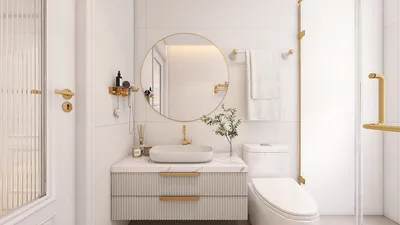


I will always remember the experience of painting a client's trim the same shade of beige as the walls upon their request for a "clean monochrome look." This resulted in a dull, lifeless space for an entire week until we opted for a subtle sheen. This early lesson taught me about the significance of choosing the right finish and color for auto interior trim paint; it can feel like a small renovation with substantial effects. Especially in compact areas, decisions surrounding trim can make a tremendous difference, with even a singular stripe of contrasting trim giving character to the room. For instance, check out one of my favorite room makeover examples that began with a trim repaint.
1. High-Contrast Trim for Depth
I adore incorporating sharp, high-contrast trim colors, such as charcoal or deep navy, against light walls to effectively frame windows and doors. This technique adds a sense of depth and architectural intent to spaces, especially when altering moldings or floor plans is not an option. However, a word of caution: high contrast can reveal imperfections, so meticulous prep and clean edges are crucial. A minor investment in caulk and tape can lead to results that look professionally done.
save pin
2. Tone-on-Tone with Subtle Sheen
For those looking for tranquility, I often recommend a tone-on-tone strategy: select a trim hue that is a shade or two darker than the wall color and finish it with a gentle satin sheen. While understated, this approach enhances trim details and conceals flaws better than a high-gloss finish. I've successfully applied this method in narrow hallways to maintain a seamless flow while still accentuating baseboards and door casings.
save pin
3. Satin vs. Gloss: Choose by Use
When it comes to auto interior trim paint, a durable, smooth finish is key. Typically, I suggest satin for baseboards and semi-gloss for doors and frequently touched areas. Satin provides a forgiving surface, while semi-gloss is easy to wipe clean, and gloss offers a more formal appearance. Be aware that gloss finishes can highlight brush strokes, so using a high-quality brush or opting for spraying can give a more polished look—something I always allocate a budget for in my remodeling plans.
save pin
4. Metallic and Toned-Metal Accents
It may sound whimsical, but a touch of metallic paint on built-in trim or inset panels can mimic custom millwork. For example, I applied a soft pewter on a small kitchen pantry trim, and it acted as stunning décor for the space. It's a popular yet subtle choice; just remember to restrict metallics to accents to prevent overpowering the area, and check how the metallics appear under different lighting, as their colors can change under warm bulbs.
save pin
5. Durable, Low-VOC Finishes for Liveability
In smaller homes, I prioritize low-VOC and washable trim paints so surfaces remain fresh and free of harsh odors. Many contemporary low-odor formulas still provide excellent leveling and finishing—ideal when kids or pets are involved. To prevent paint regrets, I often visualize trims using 3D render technologies before finalizing decisions.
Practical advice: always test your trim color with a 6" strip before committing. The impact of lighting and furniture on color perception can be surprisingly significant. Additionally, when dealing with kitchens, I tailor the trim finish to suit the humidity and cleaning requirements—see this kitchen case study for further reference when selecting finishes.
save pin
FAQ
Q1: What is the best application for "auto interior trim paint"?
A1: This term typically refers to durable, smooth finishes that are perfect for trim, doors, and high-traffic areas, providing a wipeable surface and a consistent sheen suitable for interior millwork.
Q2: Which sheen works best for baseboards?
A2: Satin is an excellent choice—it balances forgiving minor imperfections while remaining easy to clean. Semi-gloss is advisable for doors or surfaces needing frequent maintenance.
Q3: Are low-VOC trim paints efficient?
A3: Indeed. Modern low-VOC formulas have greatly improved in terms of leveling and durability. They are an intelligent selection for homes that are occupied and for smaller areas.
Q4: How should I prep trim before painting?
A4: To prepare trim, clean it, sand lightly, fill in gaps with paintable caulk, and prime any bare areas. Proper preparation minimizes visible brush strokes while extending the life of the finish.
Q5: Can I spray paint trim at home?
A5: Yes! Spraying can produce factory-like results, particularly with gloss finishes. However, be aware of the need for masking and proper ventilation; for smaller projects, a quality brush should work just fine.
Q6: How long should I wait between coats?
A6: Adhere to the product instructions; typically, you should wait 2–4 hours for latex paints under normal circumstances. Cooler temperatures or higher humidity levels may extend curing time.
Q7: Are metallic trim paints durable?
A7: Yes, when sealed with a transparent topcoat compatible with the metallic base, they hold up effectively. Always test adhesion and wear on a small area first.
Q8: Are there health or safety considerations for interior paint?
A8: Certainly—refer to the U.S. Environmental Protection Agency’s guidelines regarding volatile organic compounds (https://www.epa.gov/indoor-air-quality-iaq/volatile-organic-compounds) for VOC and indoor air quality information. Opting for low-VOC alternatives and ensuring proper ventilation during application is highly recommended.
Transform your home with Homestyler, the ultimate online design platform! Enjoy its user-friendly design tool, stunning 3D renderings, and a wealth of inspiring design projects and video tutorials. Whether you're a novice or a pro, Homestyler makes it easy to turn your vision into reality.
지금 무료로 디자인하세요
































