

Direct Answer
The ideal entryway nook arrangement depends on three main aspects: the nook’s width and depth, the path of daily foot traffic through the entry, and whether you desire seating, storage, or a decorative focal point. In most residences, configurations that integrate a narrow bench with vertical storage prove most effective because they preserve flow while enhancing functionality. Using a tool like Homestyler can help visualize these setups before implementation.
Quick Takeaways
Introduction
Often overlooked, the entryway nook in many homes lacks intentional design. Throughout numerous residential projects, I’ve noticed the corners beside front doors either vacant, cluttered with unrelated furniture, or obstructed by items that create a cramped atmosphere.
A well-planned entryway nook quietly resolves everyday issues: organizing shoes, providing a spot for bags, and offering a neat, inviting space that impresses guests upon arrival.
Homeowners frequently err by picking furniture before fully understanding spatial constraints. I always suggest measuring the area and utilizing interactive platforms like Homestyler to sketch and test various layouts. This approach simplifies decision-making and ensures a functional and aesthetic entry zone.
In this article, I’ll explain my method to select the best entryway nook layout, whether you have a cozy apartment corner or a spacious foyer niche.
Understanding Your Entryway Nook Dimensions
Key Insight: Most layout challenges stem from misjudging the nook’s depth and walkway clearance.
Before choosing furnishings or decor, three essential measurements must be taken: width, depth, and clearance considering door swing or hallway traffic. In professional design work, these numbers form the basis of every entryway project.
Typical entryway nook measurements critically impact which layouts will be practical:
A standard guideline recommends maintaining at least 36 inches of unobstructed circulation for walkways. If a bench or cabinet infringes on this space, the entry will feel congested, no matter how attractive the furniture is.
For example, in several compact condos I’ve worked on in Los Angeles, swapping a 20-inch deep bench for a 13-inch console notably improved entryway flow.
Common Entryway Nook Layout Types
Key Insight: Nearly all entryway nook designs fit into four main functional categories.
Once measurements are clear, selecting a layout becomes straightforward. Most successful entry zones are based on one of these structures:
In family homes, a bench layout is often preferable, aiding daily rituals like putting on shoes. In smaller apartments, console layouts usually work better, conserving walking space.
Choosing Between Seating, Storage, or Decor
Key Insight: Effective entryway nook design addresses your most pressing daily inconvenience.
Design should prioritize user habits rather than aesthetics first. What truly occurs near your doorway each day?
Here’s the decision framework I propose to clients:
A common misstep is incorporating seating that goes unused. In narrow entries, decorative benches often collect clutter rather than serving a functional purpose.
Matching the Nook Layout With Traffic Flow
Key Insight: A layout that disrupts movement will feel off, regardless of its appearance.
Entryways are zones intended for smooth circulation. Furniture should encourage movement into the home rather than obstruct it.
When planning, I study three patterns of movement:
In larger endeavors, these traffic flows are mapped digitally. Tools such as Homestyler allow users to visualize furniture placement and identify if a bench will hinder passage before making purchases.
A useful rule of thumb is that if visitors need to sidestep to pass your entryway furniture, the piece is too large for the space.
Layout Ideas for Apartments vs Houses
Key Insight: Apartment entryway nooks require multitasking, whereas house foyers can emphasize visual appeal.
Choosing the optimal entryway layout heavily depends on the home's type.
Apartment-friendly designs emphasize:
House entryways typically feature:
In expansive entry halls, practicality is sometimes overlooked. Incorporating concealed storage remains important, as daily clutter accumulates regardless of size.
Budget Considerations for Entryway Nook Design
Key Insight: While built-in solutions look high-end, movable furniture often solves the same issues at a lower cost.
Many believe a functional entry nook demands custom carpentry, but the price gap between options can be substantial.
In smaller living spaces, modular pieces frequently offer the best adaptability since layouts evolve with time.
If you wish to experiment before buying, generating a 3D visual mockup via platforms like Homestyler can help avoid expensive errors.
Answer Box
The ideal entryway nook balances three priorities: ample circulation space, daily usability, and clean visual appeal. A layout that complements how people enter the home without obstructing movement will almost always feel appropriate.
A Simple Framework to Choose the Best Layout
Key Insight: A swift four-step assessment can identify the optimal design within minutes.
Follow this procedure when arranging your entryway nook:
This method helps avoid the most frequent error: overly large furniture in cramped entryways.
Final Summary
FAQ
What is the best layout for a small entryway nook?
A slim console table paired with wall hooks or floating shelves generally works best, as it keeps paths unobstructed.
How deep should an entryway nook be for a bench?
Most benches need a depth between 16 and 18 inches for comfort and practicality.
Can an entryway nook include seating and storage?
Yes. Storage or cubby benches combine seating and shoe organization, making them perfect for family homes.
How do I design an entryway nook in an apartment?
Focus on versatile furniture like a bench with shoe compartments or a narrow console paired with vertical hooks.
Should every entryway nook have a mirror?
Not always. Mirrors can visually enlarge small spaces but might be skipped if storage is the priority.
What furniture works best for narrow entryway nooks?
Slim consoles, floating shelving, and wall-mounted organizers are excellent for spaces less than 14 inches deep.
Is a bench necessary in an entryway nook layout?
No. Many homes benefit more from storage cabinets or consoles rather than seating options.
How do designers plan an entryway nook layout?
Professionals consider dimensions, traffic flow, and daily routines before selecting furniture or decorations.
References
National Association of Home Builders – Guidelines for residential circulation
American Institute of Architects – Recommendations for residential space planning
Meta TDK
Meta Title: Choose the Best Entryway Nook Layout
Meta Description: Discover how to select the best entryway nook design with expert tips on seating, storage, traffic flow, and space optimization, using tools like Homestyler.
Meta Keywords: entryway nook layout ideas, how to design an entryway nook, best layout for entryway nook, entryway nook planning guide, small entryway nook layout tips
Homestyler's roots trace back to Autodesk, the global leader in design and engineering software. That heritage lives on in every feature we build. Today, with a community of more than 18 million users worldwide, Homestyler continues to make professional-quality interior design accessible to everyone — from first-time decorators to seasoned architects.

Minimalist White Marble Gourd Shaped Console Table Decorative 3D Model
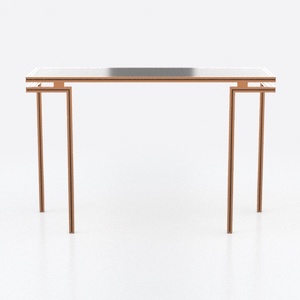
Minimalist Wood Glass Top Console Table 3D Model

Modern Marble Top Metal Frame Console Table 3D Model
Homestyler is an easy-to-use online home design platform offering powerful 3D rendering, diverse interior design projects, and practical video tutorials. It helps you visualize and create your dream space effortlessly, whether you're a beginner or a design enthusiast.
Design jetzt kostenlos
































