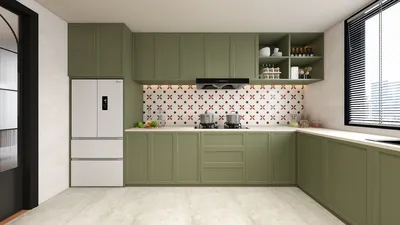


I've chosen, installed, and lived with an extensive variety of kitchen tiles – ranging from affordable porcelain to luxurious artisanal zellige. The price per box isn't merely a figure; it encapsulates the nuances of material science, logistics, wastage, and the method of planning. In my recent kitchen projects, typical retail prices generally range from about $25 to $90 per box for entry-level porcelain wall tiles, $45 to $140 for mid-range porcelain or ceramic options, and from $120 to $350 or more for premium porcelain, stone-like slabs, or unique mosaics. These price brackets fluctuate depending on the finish, size, and brand strategy. To align the economic aspect with performance, one can often justify the slightly higher cost of porcelain in functional kitchens due to its density and PEI wear ratings, especially where abrasion resistance is crucial, using tools like Homestyler to visualize designs effectively.
Costs seldom move in a vacuum. Research in both workplace and residential settings consistently highlights the importance of environments that minimize visual stress and foster healthier behaviors—elements I consider when juxtaposing tile aesthetics against the budget. The WELL v2 certification promotes low-VOC finishes and cleanliness for healthier interiors, both of which porcelain tiles and glazed ceramics excel in; refer to the WELL v2 framework. Additionally, lighting significantly influences how color and texture appear on tiles. Proper task lighting in kitchens typically aims for 300 to 500 lux on counters, which can impact your choice between matte and glossy finishes as well as grout contrast at the planning stage.
Understanding standard quantities is essential for effective budget planning. A regular 3x6 inch subway tile box typically covers around 10 to 15 square feet; larger format boxes measuring 12x24 may cover about 12 to 16 square feet, while mosaic sheets can vary widely, commonly covering 8 to 12 square feet per box. I generally recommend an overage of 10% for straightforward backsplashes and 12 to 15% for patterned layouts, herringbone designs, or kitchens with tight corners. When clients wonder why we purchase extra tiles initially, I explain that it aids in future repairs, shade variation control (for dye lot consistency), and managing lead time risk—all of which are more budget-friendly to address at the outset rather than later.
Factors Influencing the Cost of Kitchen Tiles per Box
From manufacturing to installation, several variables can affect pricing:
Differentiating Between Wall and Floor Tiles: Performance and Budget Considerations
Kitchen flooring requires high abrasion resistance, slip management, and dimensional stability under heavy appliances. I typically look for porcelain with PEI IV or V ratings suitable for high-traffic areas and DCOF values that correspond to wet conditions. In contrast, wall tiles can be lighter, allowing for bolder glazes or handmade appearances without paying extra for floor-grade durability. Spending an additional $30 to $60 per box on floor-grade porcelain usually pays off in longevity, especially in areas where chairs are moved, pets run, and dirt enters from outside, especially when using design tools like Homestyler for better visualization.
How Layout Decisions Affect Overall Costs
The layout is where design meets mathematics. Simple running bond or stacked layouts minimize the need for cuts and can help reduce waste to about 8 to 10%. In contrast, herringbone, chevron, or diagonal layouts can add an extra 3 to 7% in waste, as well as additional labor time. When I design complex backsplashes incorporating outlets, windows, or a range niche, I utilize a room layout tool like Homestyler to anticipate cut patterns, grout line alignments, and the necessary box counts before making a purchase.
Planning for Box Coverage, Overages, and Breakages
A solid estimating process follows:
Grout, Trim, and Installation Materials: The Hidden Costs
Clients often focus solely on the price of the tile box, but system costs should not be overlooked. High-quality grout (stain-resistant and color-consistent), waterproof membranes, backer boards, and trims can add an additional $2 to $6 per square foot to the total installation costs. If we keep the tile price within $4 to $8 per square foot, the overall installed cost for a backsplash might reach $18 to $35 per square foot, depending on factors such as labor market rates, cuts, and substrate preparation. In kitchens with high usage, I recommend investing in epoxy or high-performance cementitious grouts, which are definitely worth the extra cost for stain resistance near cooktops and sinks.
Lighting, Color Psychology, and Selecting Finishes
Perceived value involves more than just cost—it also concerns how the kitchen feels at 7 a.m. under task lighting. With inadequate levels of task lighting at 300 to 500 lux (as per IES guidelines), high-gloss tiles may produce glare on vertical surfaces, whereas satin or matte finishes create a calmer appearance and obscure water spots. Warm-white LEDs (2700 to 3000K) can tone down busy mosaic patterns, while cooler whites (3500 to 4000K) enhance the appearance of stone looks. If a client desires a burst of energy in a compact kitchen, I might include a muted blue-green field tile—given that cool hues often evoke calmness and cleanliness in human perception; see insights into color psychology for a deeper understanding—and control saturation levels to ensure the tile doesn't overwhelm small areas.
Real-World Ergonomics and Cleanability
Tiles come into contact with hands daily—cabinet edges, splash zones, handle lines. To avoid cleaning fatigue, I steer clear of rough relief textures directly behind cooktops, where grease tends to accumulate. A 1/8" to 3/16" grout line with sanded grout on rustic ceramics feels substantial; for rectified porcelain, I typically opt for 1/16" to 1/8" using unsanded or fine aggregate grout for an easier clean-up. Pay attention to corner terminations from an ergonomic perspective; bullnose or metal trims ensure safety at the height of kitchen islands.
Sustainability and Material Health Considerations
Glazed ceramic and porcelain are known for their durability, inertness, and often recycled content. When a project aims for wellness benchmarks, I rigorously vet VOC emissions from sealers and installation materials to meet WELL v2 standards. Lifespan factors into sustainability: a moderately priced porcelain tile that lasts for over 20 years typically outperforms a cheaper option that requires replacement after two uses.
My Preferred Price Ranges (Box Level) and Their Suitability
Common Errors That Increase Costs
An Example of Simple Cost Estimation
For a backsplash area measuring 30 square feet, with the selected tile box covering 12 square feet and a 12% overage (for patterned herringbone), the calculation of boxes needed is: (30 × 1.12) ÷ 12 ≈ 2.8, so we’d order 3 boxes, and maybe consider 4 if there are tight dye lots or numerous outlets. Additionally, we should factor in trims, grout, and a reserve for one additional box if the lead time is extensive.
Installation Factors That Influence Final Costs
Even with accurate box pricing, the complexity of the installation can affect the total amount. Stacked layouts over smooth drywall are straightforward and quick; however, miters at outside corners, niche details, or full-height wraps can significantly increase labor costs. I ensure tile course heights are coordinated with the undersides of upper cabinets and hood lines to minimize sliver cuts. Additionally, for flooring, I verify overall deflection and levelness early on; installing large-format tiles necessitates very flat substrates to avoid warranty issues due to lippage.
Tips for Maintaining Predictable Tile Budgets
FAQ Section
To estimate the necessary materials, measure the net square footage, add 10–15% as overage, and divide by the box coverage specified on the carton. For a 30 square foot backsplash with each box covering 12 square feet and accounting for 12% overage, you'll need 3 boxes (consider ordering 4 if there are many outlets and niches).
For kitchens that see heavy usage, porcelain is an excellent choice due to its low water absorption and higher wear ratings, which resist abrasion and staining effectively. Conversely, for less active vertical splash areas, ceramic tiles could provide a more economical solution.
Satin and matte finishes generally perform better under lighting conditions of 300 to 500 lux; glossy tiles may generate harsh glare. It's essential to ensure that the finish aligns well with your overall lighting strategy and dimming functionality.
For straightforward layouts, plan for 10% overage; for patterns, plan for 12–15%, and for dichotomous or niche-heavy designs, consider planning for 15–20%. Large-format tiles might warrant additional overage if the space has tight corners.
In most cases, yes. The box price includes mounting labor at the manufacturer, while installation on-site tends to be slower given the greater number of grout lines and the need for precise sheet alignment. It's wise to budget additional labor costs and invest in premium grout for areas prone to stains.
Mid-tone neutrals that match the average value of the tile can effectively mask day-to-day wear and minor haze. High-contrast grout appears stylish but necessitates cleaner installations and upkeep to maintain its aesthetic.
Select porcelain with the appropriate DCOF rating and a fine-textured finish. I recommend avoiding overly aggressive textures around prep zones, as these can trap debris and become tiresome during marathon cooking sessions.
Cool, muted colors engender a sense of cleanliness and calm; warm whites and creams add a cozy touch. It's crucial to match the color with the correlated color temperature of your lighting to ensure surfaces appear accurate, verified under the actual fixtures you'll use.
Absolutely. It's common for me to recommend value-tier base tiles alongside a premium feature tile located behind the range or on open shelves. Concentrating expenditure in this way can create visual impact without exceeding budget limitations.
Indeed, if you're aiming for tightly spaced joints and a sleek, modern look. While they slightly increase the box price, they reduce visual clutter and can decrease grout usage.
Purchase all boxes, trims, and anticipated overage in a single order from the same lot. Additionally, open and dry-lay a few pieces from each box prior to installation.
When installed correctly, both types can endure for decades. The premium quality often justifies the expense due to design intricacies, finishing details, or tile format. However, durability more crucially hinges on the body type (porcelain versus ceramic), the quality of the grout, and thorough substrate preparation rather than simply the price.
Homestyler is your go-to online home design platform! With its user-friendly design tool, stunning 3D renderings, and a wealth of inspiring design projects and DIY video tutorials, you can effortlessly create your dream space. Dive in and transform your home today!
Design Now for FREE
































