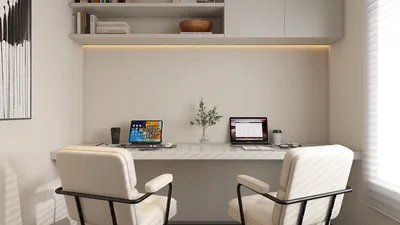


I often chuckle recalling an experience with a client who requested their small kitchen to be painted 'the shade of latte foam.' After bringing three color samples, our discussion resembled a passionate debate between sommeliers. This encounter highlighted how choosing a cream wall color can sometimes be perplexing yet incredibly versatile once you grasp the nuances of warmth, illumination, and proportion. Within compact spaces, cream becomes a true asset: it enhances light, conceals minor flaws, and softens sharp angles. When I aim to visualize layouts early on, I frequently utilize tools like Homestyler to quickly sketch out ideas for optimal designs.
1. Warm Cream with Natural Wood: A Cozy Foundation
I typically begin my designs with a warm cream, complemented by mid-tone wooden flooring and straightforward cabinetry. This cream hue beautifully tones down the wood grain, creating an inviting and timeless aesthetic. Its flexibility is one of the main advantages; you can easily update textiles or artwork without the need for a repaint. The only challenge lies in selecting a cream that remains subtle under warm lighting—testing larger samples near windows can help you find the right match.
save pin
2. Cream with Bold Trim for Architectural Interest
To give a defined character to a space that feels unformed, I often opt for striking white or dark charcoal trim against a creamy wall. This sharp contrast creates purposefulness and highlights moldings and doors. While it may incur minor additional expenses for paint, the visual impact is significant; the only downside is requiring precise brushwork or professional help to maintain the defined lines.
save pin
3. Layer Creams with Soft Pastels for a Contemporary Cottage Feel
In living areas, I prefer using a gentle cream base and incorporating one or two pastel highlights—like soft sage or blush—through cushions, lamps, or accent walls. This approach is forgiving for families and allows for easy updates. If you're redesigning a kitchen, these subtle changes can seamlessly integrate with practical layout improvements. I often refer to specific kitchen layout tips to ensure the cabinetry and wall colors harmonize beautifully.
save pin
4. Textured Cream Finishes: Plaster, Limewash, or Soft Glaze
For added depth, I recommend employing a limewash or Venetian plaster in a creamy hue on an accent wall. These textures bring character and adeptly conceal imperfections far better than flat paint—making them especially ideal for older homes. While they tend to be a bit more costly and require skilled application, the warm, tactile quality they provide is invaluable when aiming for a unique, handcrafted ambiance.
save pin
5. Utilize Cream to Enhance Space and Brightness
In small bathrooms, closets, or studios, opting for a cooler cream with higher light reflectivity creates an airy feel. Utilizing creams that possess a hint of gray can avert that overly yellow appearance under LED lights. I once transformed a cramped studio by applying a light cream alongside mirrors and narrow shelving—effectively doubling the perceived space. For presenting ideas or gathering client feedback, realistic 3D renders are invaluable in confirming final selections before committing to paint.
save pin
Practical Advice and Budget Considerations
Invest in sample pots and paint large panels on various walls; lighting can dramatically change perceptions. For those on tight budgets, painting is a remarkably cost-effective makeover—select a mid-range brand and an eggshell or satin finish for easy cleaning. If you're looking for durability, consider quality primer and brushes, as these can reduce touch-ups and keep your cream walls looking pristine.
save pin
FAQ
1. What is cream color wall paint?
I define cream as a warm off-white with delicate yellow or beige undertones. It offers a warmer alternative to stark white and is versatile across various decor styles.
2. How can I choose the best cream for my space?
Apply large swatches on different walls and observe them in both morning and evening natural light. Pay attention to how your furnishings and flooring influence the hue.
3. Does cream enhance the perception of space?
Absolutely—creamy tones that reflect light can visually enlarge a room, particularly when paired with reflective elements like mirrors or glossy finishes.
4. What finish is suitable for cream walls?
Eggshell or satin finishes are generally my preference for living areas as they strike a balance between durability and a gentle sheen without emphasizing imperfections too heavily.
5. Can cream conceal stains or scuffs?
To an extent. Cream effectively hides dust and minor marks better than pure white, but areas with heavy foot traffic benefit from washable finishes and regular touch-ups.
6. Are there established guidelines for selecting paint?
Certainly—paint manufacturers such as Sherwin-Williams offer technical insights on LRV (Light Reflectance Value) and undertones; referring to their color resources gives precise guidance (https://www.sherwin-williams.com/).
7. How do I coordinate cream with cabinetry or countertops?
Test samples in tandem under your kitchen lighting; warm creams beautifully complement wooden elements and warm stone, while cooler creams suit marble and stainless steel surfaces.
8. Can I digitally preview cream options?
Absolutely—many designers employ software solutions, like Homestyler, and rendering previews to visualize how cream hues interact in modeled lighting and layouts before actual painting.
save pin
Homestyler is your go-to online home design platform, perfect for anyone looking to create their dream space. With its easy-to-use design tool, stunning 3D renderings, and a wealth of inspiring design projects and video tutorials, transforming your home has never been easier or more fun!
Progetta ora GRATIS
































