

Over the years, I've crafted more than a dozen side tables tailored for kettle grills, and the most successful designs exhibit certain key features: optimal height for easy food preparation, materials that withstand heat, and a robust framework that endures various weather conditions. By prioritizing these elements, everything else—such as tool hooks and wheels—can be adjusted according to personal preference, making your grilling experience more enjoyable and efficient.
To start, it's essential to establish some guidelines. For the ideal working height, aim for a standard counter height of about 36 inches (915 mm). Research by Herman Miller indicates that this height provides a comfortable standing position for light prep tasks while reducing excessive forward reach and back strain. When it comes to lighting your grill area, the Illuminating Engineering Society suggests a brightness level of 300-500 lux on working surfaces. If evening grilling is on the agenda, consider installing overhead lighting or clamp lights that are easy on the eyes. To enhance outdoor air quality and comfort, comply with the WELL v2 standards, focusing on thermal dynamics and material choices that prioritize occupant health. Aim for low-VOC finishes and ensure that hot surfaces are insulated from direct contact areas. More details can be found in the WELL Building Standard (v2) concerning material quality and thermal comfort principles alongside IES guidance on task lighting.
Primary Design Goals
My essential checklist for constructing a Weber kettle table consists of a sturdy top measuring 36 inches high, a heat-resistant area adjacent to the grill, enclosed storage for spices and utensils, and mobile wheels that operate smoothly on pavement. It's important to maintain a compact footprint of about 54-60 inches wide by 24-28 inches deep to ensure safe clearance around the kettle's lid swing and ventilation. Additionally, there should be at least 18 inches of nonflammable surface alongside the firebox.
Optimal Measurements and Clearances
Material Considerations: Heat Resilience, Weatherproofing, and Upkeep
Approach the design in layers: frame integrity, surface toughness, and heat management. For the frame, I generally opt for 1.5-inch square tube powder-coated steel or cedar/ipe. For the tabletop, dense hardwood such as ipe or white oak is ideal, or even exterior-grade plywood with a stainless or porcelain tile covering. Incorporate a designated hot zone by including a 16×20 inch stainless inset or a stone slab (granite or porcelain) that can hold hot grates and chimneys safely.
Design Layout and Cutout for the Weber Kettle
To accurately accommodate your kettle, common 22-inch models require a cutout measuring between 23 and 23.5 inches in diameter to properly nest the rim without squeezing the bowl. Additionally, allow for a half-inch air gap around the perimeter and cover the inner edge with aluminum or stainless steel to deflect heat. Ensure that the cutout placement allows for easy access to the lid hinge and the vent handle.
If you're looking to experiment with alternative layouts before making cuts, creating a quick digital mockup using a room layout tool can help minimize both material waste and uncertainty: room layout tool.
Structural Insights: Two Tested Designs
Ergonomics and Workflow Optimization
Maintain a compact prep triangle that includes your cutting zone, seasoning area, and the kettle itself. Hooks for tongs and spatulas should be within a reach of 16 to 20 inches. For prolonged cooking sessions, reducing the need to bend is beneficial: a 36-inch surface height aligns well with the natural elbow height for many individuals. Herman Miller's findings suggest that this positioning correlates with decreased physical strain during light assembly and preparation tasks. For nighttime cooking, target 300-500 lux on your work surface as recommended by IES; using glare-reducing LED lights within the 3000-3500K range will promote better food color visibility and minimize harsh shadows.
Ventilation, Heat Management, and Safety
Storage Solutions and Added Accessories
Joinery, Fastening, and Longevity
In outdoor settings, movement is inevitable. Therefore, anticipate by pre-drilling holes, allowing for seasonal expansion, and using materials that prevent galvanic corrosion by isolating different metals. If tiling is part of your design, employ exterior-rated thinset and flexible grout. When using stainless steel, it's best to avoid large, continuous beads of adhesive near heat cutouts; instead, opt for spot bonding to enable material expansion.
Finishing Touches and Ongoing Maintenance
Step-by-Step Assembly Guide
Budgeting and Time Estimates
A build using cedar alongside a stone hot zone typically costs between $250 and $450 for materials. A more robust steel-and-stainless construction can range from $500 to $900, depending on the quality of sheet metal and casters incorporated. Anticipate a build time of 10 to 16 hours for someone with intermediate DIY skills, excluding any time needed for finish curing.
Common Pitfalls to Avoid
Frequently Asked Questions
Target a height of 36 inches; you can adjust this to between 34 and 38 inches based on the user's height and comfort level. This aligns with standard counter heights and helps in reducing back strain during prep tasks.
For a standard 22-inch Weber kettle, a cutout of 23 to 23.5 inches in diameter with a half-inch air gap is highly recommended. Protect the wood by edging the opening with stainless or aluminum.
Using materials like stainless steel, porcelain tiles over cement board, and stone insets ensures exceptional heat resilience. Avoid exposing bare wood too close to the kettle bowl; install shields and create air gaps for safety's sake.
For mobility, implement 4-inch locking casters for concrete surfaces and 6-inch pneumatic wheels to traverse pavers, gravel, or grass easily.
Ensure work surfaces receive 300-500 lux illumination. A 3000-3500K LED light fitted with a shield or angled head minimizes glare while keeping food colors true to their nature.
Seal all sides, including undersides and cut edges, using a penetrating exterior oil or water-based spar urethane, and reapply annually or as wear dictates.
Absolutely—consider adding a slide-out drawer for keeping charcoal dry and a designated area for tools. Be sure to keep combustible items away from the hot side of your table.
Maintain a gap of half to one inch around the kettle bowl, ensure 18 inches of nonflammable surface area is available, and lock casters in place before lighting any fires. It's also prudent to keep a fire extinguisher within reach at all times.
Both options are effective. Stainless steel is seamless and easy to maintain, while tile over cement board is highly heat resistant and budget-friendly, though it may require regular grout upkeep.
Incorporate cross-bracing, make sure to distribute weight low with a bottom shelf, and use through-bolts with washers at all leg joints. Always confirm that caster plates are aligned properly with the legs.
Utilize a breathable cover during cooler periods, allow the table to dry thoroughly after rain, and avoid trapping any moisture. In climates subject to freeze-thaw cycles, consider elevating the table feet off of bare soil.
Certainly—shift the cutout forward by 1 to 1.5 inches to clear the hinges, and confirm the lid's arc using a cardboard template before making any cuts.
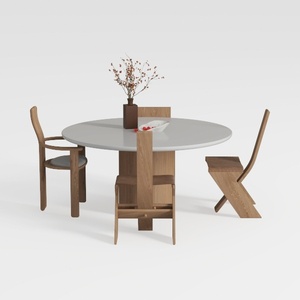

Gales 5-Piece Mid-Century Modern Round Greige MDF
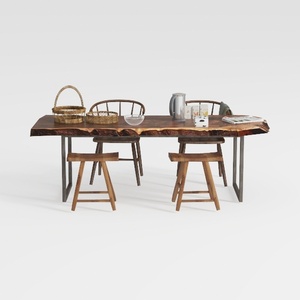
Generico Vassoio Pieghevole per Comodino, Tavolo per Laptop, scrivania Moderna in Legno massello con Gambe in Ferro, Tavolo per Computer da Ufficio Spesso 5 cm per casa e Studio, Elegante scrivania p

Homestyler is your go-to online home design platform, offering an intuitive design tool and stunning 3D renderings. With a treasure trove of design projects and helpful DIY video tutorials, transforming your living space has never been easier or more enjoyable!
Design Now for FREE
































