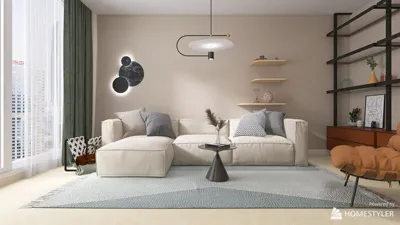


I've crafted several behind-sofa console tables perfect for compact apartments, spacious living areas, and media rooms where coffee tables are too bulky. The primary aim? To create a stable surface for lamps, beverages, books, and chargers without hindering movement. In open spaces, a console can effectively anchor the sofa and delineate areas. A 2023 Gensler study on living space efficacy reveals that adaptable zones serving diverse purposes lead to greater satisfaction among users, a fact I’ve observed during client walkthroughs. A slender console often addresses lighting needs, a drop zone, and aesthetic appeal in one go. Furthermore, the WELL v2 framework highlights the importance of task and ambient lighting quality for comfort; placing a lamp at the back of the sofa enhances task illumination while minimizing glare from overhead lighting when dimmed at night (WELL v2 L03 Light and L08 Glare Control).
From an ergonomics perspective, most adults can comfortably reach 16–20 inches from a seated position. Research by Steelcase on posture variety and reach comfort consistently suggests minimal trunk rotation for frequent small tasks; positioning the console within easy access reduces awkward movements. The Illuminating Engineering Society (IES) recommends maintaining a lighting level of 100–300 lux for casual living tasks; a shaded lamp on the console achieves this standard at the seating surface while minimizing reflections from the TV.
Determine Dimensions and Proportions
The console should be placed 1–2 inches lower than the back height of your sofa to maintain a cohesive visual profile. The typical height falls between 28 and 32 inches (with most sofas measuring 30–34 inches in height). The ideal depth is 8–12 inches—this provides enough space for a lamp base, a tray, and a stack of books without causing a tripping hazard. The length should ideally be within 2–4 inches of the sofa width to achieve a polished appearance; if you prefer an airy feel, move the console 2–3 inches inward from both ends. Allow for a 4–8 inch gap between the sofa back and the table for cord clearance and ease of access, while keeping the total reach under 18 inches from the sitter’s back to the edge of the table. To experiment with living room furniture placement or traffic flow, a quick digital mock-up using a layout tool such as Homestyler can save you from overthinking your design choices.
Materials and Tools Needed
For a robust yet cost-effective build, opt for 1x8 or 1x10 solid wood boards (pine, poplar, or oak) or use a 3/4 inch plywood top with solid-wood edge banding. If you plan to place heavy lamps or multiple gadgets on it, I recommend 1 inch thick tops for added rigidity over longer spans. Legs can be made from 1.5–2 inch square timber (clear pine or maple) or steel hairpin legs for a lightweight appearance. You'll need #8 or #10 wood screws sized between 1-1/4 to 2 inches based on your joinery. High-quality wood glue serves as the adhesive, while for finishing, consider waterborne polyurethane for low VOC or hardwax oil for a matte, easily maintainable surface. Required tools include a miter saw or circular saw with a guide, a drill/driver, countersink, orbital sander, square, and clamps.
Joinery Techniques: Quick, Clean, or Discreet
There are three reliable methods based on your skill set and available tools:
Construct a U-frame underneath the top with two long aprons and short returns at the ends. Use pocket screws to attach the aprons to the legs, then connection points for the top with figure-eight fasteners or elongated pilot holes to allow for seasonal wood movement. This construction offers excellent stability even with narrow depths.
If utilizing a solid-wood top and looking for a refined finish, incorporate breadboard ends secured with dominoes or loose tenons and pins. Leg attachment to the underside can be achieved via threaded inserts and bolts for strength and a clean aesthetic.
Employ L-profile steel or pre-made angle irons lag-bolted to the legs, fastening the top through slotted holes. This method maintains a speedy construction while presenting a sleek visual appearance.
Example Cut List for a 72 × 10 × 30 in Table
- Top: 1 piece at 72 × 10 × 1 in (or laminate two 1x6s for added width)
- Long aprons: 2 pieces at 66 × 3 × 3/4 in
- Short returns: 2 pieces at 6 × 3 × 3/4 in
- Legs: 4 pieces at 28-1/2 × 1-3/4 × 1-3/4 in (final height adjusted by glides)
Adjust lengths to fit your sofa's specifications; position legs 2–3 inches back from the top’s edge to prevent shin bumps and visually align with the sofa legs.
Construction Steps
Place the top upside down on a padded surface. Arrange the legs and aprons. If your floor is uneven (as is the case in many older homes), trace the bottom of the legs to ensure they sit flat. This prevents wobbling once the table is upright.
Glue and pocket-screw the aprons into the legs. Confirm measurements are square—within 1/16 inch across the frame is ideal. Incorporate a center stretcher for tables longer than 60 inches and with a top thinner than 1 inch.
Use figure-eight fasteners, Z-clips, or elongated screw holes to accommodate wood movement across the grain. Secure connections every 12–16 inches along aprons without overtightening to allow for wood expansion.
Sand surfaces to a 150–180 grit for stain application, or 220 grit for clear finishes. If matching a wood tone from your sofa, test stains on offcuts in the same lighting you use regularly. Apply two to three coats of waterborne poly, lightly sanding between applications.
Lighting, Power, and Cable Management Solutions
A console table situated behind the sofa offers an excellent foundation for layered lighting options. Aim for warm white bulbs within the 2700–3000K range for evening relaxation; both WELL v2 and IES recommendations advocate for a lower correlated color temperature (CCT) in relaxation zones while controlling glare. Utilize fabric shades or diffusers to soften brightness and achieve around 100–300 lux at seating level for comfortable reading. Add a slim cord channel or adhesive raceway beneath the table top to manage lamp and charger cables, finishing with a felt-lined notch at the rear for unobtrusive cable exit. For charging, a space-saving UL-listed clamp-on power strip with USB-C keeps the surface orderly.
Understanding Color and Finish Psychology
Subtle, low-saturation woods such as natural oak or ash induce a tranquil atmosphere and harmonize beautifully with neutral furniture. If the room needs a bit more vibrancy, consider selecting a satin black or deep blue base to ground the overall composition without overwhelming it. An overview from Verywell Mind on color psychology indicates that blue hues often denote calmness and concentration; in living spaces utilized for reading or work overflow, a cooler base can effectively balance warmer lighting from lamps. For smaller areas, maintain a medium reflectance—while matte finishes reduce glare, too dark materials can make a space feel closed-off if adequate daylight is lacking.
Acoustics and Top Material Considerations
Hard surfaces can amplify sound; if your home features bare floors and lively acoustics, consider adding a runner or felt trays on the console to mitigate minor noise. Rounded edges (1/8–1/4 inch roundover) can soften the impact of objects, which is also easier on elbows. Rubber or felt glides under the legs help reduce vibrations and protect your flooring.
Safety, Main Stability, and User Dynamics
Ensure the center of gravity remains within the leg footprint; with a depth of 10 inches and height between 28–32 inches, legs should be spaced at least 8 inches front-to-back. If children might lean on or climb the console, either increase the depth to 12 inches or install concealed wall anchoring brackets. For heavier lamps (over 10 lbs), position them above the leg lines or over a supporting stretcher to mitigate tipping hazards. A clearance of 36 inches behind the sofa is appropriate for circulation paths; 30 inches suffices for lower-traffic areas.
Surface Styling Suggestions
I adhere to a straightforward aesthetic: place a task lamp at one-third, a low tray across from it for remotes and coasters, and position a vertical accent piece (like a stack of art or a slender vase) centered to balance the sofa back height. It’s crucial to maintain unobstructed sightlines to the TV; ensure nothing exceeds the lower edge of the screen if the console is in the viewing axis.
Eco-Friendly Construction Practices
Select FSC-certified lumber or repurposed boards; hardwax oils allow for spot repairs and generally have lower VOC emissions than solvent-based polyurethanes. When using plywood, opt for a formaldehyde-free core. A wipe-on oil-wax finish can be refreshed annually without the need for sanding, thus prolonging the table's lifespan and patina.
Popular Variations
- Waterfall design featuring mitered edges for a contemporary look
- Sleek metal frame paired with a solid wood top for a blend of materials
- Shallow drawers (2–2.5 inches) for storing remotes and cables
- Modular two-piece designs ideal for frequent relocations or narrow stairways
Maintenance Guidelines
Dust weekly with a soft cloth; utilize coasters to prevent ring stains. Refresh oil finishes every 6–12 months; a light scuff and a single maintenance coat of polyurethane every few years keeps it looking sharp. Regularly check and tighten bolts or pocket screws annually.
Frequently Asked Questions
Generally, the console should sit 1–2 inches below the sofa back height, usually at a dimension of 28–32 inches. This ensures a cohesive profile and ease of reach.
Typically, a depth of eight to ten inches is ideal. This accommodates a lamp and tray, minimizing obstruction. If additional stability or storage is required, consider increasing to twelve inches.
The width of the console should match the sofa or be reduced by 2–4 inches for a refined appearance. For an airy look, pull the console slightly inward from each end.
For homes with children or pets that might push or climb, think about hidden wall brackets or increase depth to 12 inches. If proper leg spacing and weight distribution are correctly implemented, the usual setups are typically secure.
Waterborne polyurethane offers excellent water and scratch resistance with minimal odor. If a more organic feel and easier spot repair is desired, hardwax oil is a great alternative, along with using coasters.
Manage cords by routing them through an underside raceway, allowing them to exit through the notch at the rear, and attach a compact power strip underneath. Maintain a gap of 4–8 inches between the sofa and the table for accessibility.
Natural oak or ash creates a serene and illuminated atmosphere; opt for a satin black or deep navy base for contrast and structure. Keep finishes matte to reduce glare around screens.
Yes—fasten using threaded inserts with bolts, dominoes, or loose tenons for aprons, or even steel angle brackets. Always permit wood movement with figure-eight fasteners or slotted holes.
Use 2700–3000K bulbs while aiming for around 100–300 lux at seating areas. A shaded lamp helps minimize glare on screens while facilitating relaxed evening activities.
Definitely. Choose 3/4 inch cabinet-grade plywood with solid wood edge banding for a flatter surface over longer spans; incorporate a center stretcher for tables exceeding 60 inches in length.
A minimum clearance of 30 inches is advisable in low-traffic areas; for main circulation paths, aim for 36 inches, especially behind the sofa.
Absolutely—create mock-ups using painter’s tape on the floor or via a layout simulation tool like Homestyler to verify reach, lamp positioning, and clearance.
Discover the power of Homestyler for your home design needs! This user-friendly platform offers an intuitive online design tool, stunning 3D renderings, diverse design projects, and helpful DIY video tutorials. Unleash your creativity and transform your space effortlessly with Homestyler!
Design Now for FREE
































