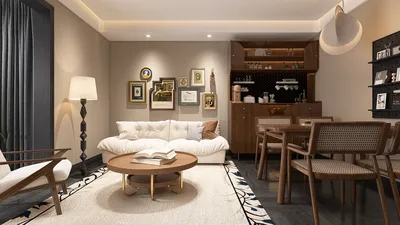


I've crafted countless bar tables for residences, cafés, and coworking spaces, and the key to a successful design lies in striking a perfect balance: ensuring the table is robust for daily usage, designed for comfort, and finished for longevity. This guide merges practical techniques with considerations around human factors, lighting, acoustics, and material selections. The aim is to make your DIY bar table feel at home in real environments, not just in pictures. Plus, using tools like Homestyler can help visualize your design in actual space.
Before you start cutting wood, ensure your measurements are precise. A standard bar-height table typically ranges from 40 to 42 inches (1016–1067 mm). Research from Herman Miller indicates that proper posture support significantly impacts seated work performance. Although a bar table is not the same as a dedicated workstation, keeping your wrist and shoulder angles neutral can enhance comfort during brief uses. Furthermore, workplace studies by Steelcase indicate that maintaining a clearance of at least 36 inches (914 mm) around the table aids movement and interaction. If you plan on installing overhead lighting, the Illuminating Engineering Society recommends achieving a brightness level of 20–30 foot-candles (200–300 lux) for casual dining activities, ensuring you also consider glare reduction through the use of shields or matte finishes.
Define Dimensions and Ergonomics
Decide on an appropriate bar height—40 to 42 inches caters to most individuals. If you will be incorporating stools, aim for a seat height of 28-30 inches, allowing for a 10-12 inch gap for knee space. The table width should range from 20-24 inches for casual dining, or 24-30 inches if you're dealing with shared platters. Be sure to allow approximately 24 inches of space per guest to avoid crowding at the shoulders. To help visualize your layout and stool arrangement before you start constructing, consider using a room layout simulation tool like Homestyler to assess clearances and sightlines in your actual environment.
Choose Materials for Durability and Sustainability
Select a tabletop material that can withstand dents and moisture. Solid hardwoods, such as white oak or maple, offer a great balance of cost and durability; bamboo plywood presents itself as a strong and sustainable alternative. For a modern café aesthetic, think about using compact laminate or high-pressure laminate over birch plywood, which is easy to clean and durable. If glasses will often be placed on the surface, choose a finish that is highly resistant to marks: hardwax oil for a warm, repairable sheen, or waterborne polyurethane for clarity and scratch resistance. Ensure the legs are made of steel or solid hardwood for superior stability. I usually recommend 1.5-2 inch square steel tube legs or 3x3 inch hardwood posts with sturdy stretchers for stability.
Understanding Structural Ratios and Eliminating Wobble
Given the height of bar tables, it's essential that the base effectively counters leverage. A basic guideline is that the width of the base should be at least 60% of the tabletop width. Consider adding a lower stretcher around 6-10 inches off the ground for added leg stability, while a mid stretcher at 18-22 inches can serve as a footrest. For a table with a 72x24 inch top, position the legs approximately 12 inches from each edge, and use concealed steel angle brackets beneath the top to enhance torsional strength. If you're employing slender or hairpin legs, incorporating diagonal flat bars or a metal frame apron can help avert instability.
Essential Tools and Hardware
Key tools include a miter saw or circular saw with a guide, a drill/driver, countersink bits, an orbital sander (120-220 grit), clamps, squares, and measuring tape. Regarding hardware, consider threaded inserts and machine bolts for detachable legs, figure-8 tabletop fasteners to accommodate wood movement, corner braces, leveling feet, and felt pads. If welding, you will need 1.5 inch square tubing, end caps, and a MIG welder. For builds made solely of wood, a pocket hole jig along with glue blocks can serve as an alternative to metal framing.
Step-by-Step Construction Guide
Begin by sizing your panel (for instance, 60-72 inches long and 20-24 inches wide). Joint the edges or utilize a clean factory edge, glue if needed, then sand the surface to between 180-220 grit. Round the edges with a 1/8 inch round-over to prevent chipping and enhance tactile comfort.
For legs made of hardwood, cut four posts to a height of 40-41 inches, considering the thickness of the top. Form an apron with rails measuring 3–4 inches and bond/screw them with corner blocks. Insert both a lower and a mid stretcher; ensure everything is squared using clamps and a carpenter's square. For steel legs, weld a rectangular frame that fits the footprint and attach vertical legs, then secure a footrest at a height of 18-22 inches. Finish by smoothing out any rough edges and priming the pieces.
Recognize that wood expands with the grain direction, so use figure-8 fasteners or slotted holes in apron rails. Pre-drill and place threaded inserts on the underside of the tabletop if you wish to remove the legs when moving the table.
Instability can often plague tall tables—screw-in leveling glides can help correct wobbliness while protecting your flooring. Using felt pads can also minimize sound transmission over hard floors.
Sand your table to a final 220 grit. When it comes to color, opt for subtle shades—neutral woods accompanied by a matte or satin finish help alleviate glare from overhead lights. WELL v2 emphasizes that effective visual comfort and glare moderation contribute positively to occupant wellbeing (source: wellcertified.com). Apply two to three coats of waterborne polyurethane or hardwax oil, and de-nib between applications for a smooth finish.
If you intend to use laptops or blenders on the table, incorporate a grommet in the rear corner. Utilize underslung cable trays along with clamp-on power strips to ensure cords don’t clutter the knee area.
Considerations for Lighting and Acoustic Comfort Above the Bar Table
Position pendants approximately 28-34 inches above the tabletop to maintain clear sight lines. Choose diffusers or prismatic shades to soften brightness. Per IES recommendations, aim for a light level of 200-300 lux on the table surface for casual activities, and install dimmers for adjustable ambiance. When it comes to acoustics, felt-wrapped pendants or a plush rug underneath can absorb sounds from glassware. If the table is positioned against a wall, consider using a micro-perforated panel or framed fabric artwork to subtly absorb mid-high frequencies.
Exploring Color Psychology and Atmosphere
Colors significantly influence behavior. According to insights from Verywell Mind, warm tones tend to create a welcoming and lively atmosphere, while blues and greens are more calming and focused (source: verywellmind.com/color-psychology). For a social dining setting, I prefer incorporating warm wood hues complemented by muted terra-cotta or olive accents. Using matte finishes reduces reflective highlights, which assists in creating an intimate environment.
Ensuring Safety, Edges, and Usability
Round all corners to a minimum radius of 1/8 inch. Keep a 10-12 inch overhang only if the base is properly braced; overhangs exceeding 12 inches should apply hidden steel flat bars or sub-rails for stability. Double-check that all screws are flush and free from any protrusions at shin level. If children are around, consider a height of 38-40 inches and implement a broader base for stability.
Maintenance Tips for Longevity
Quickly clean up spills, particularly from acidic substances such as citrus or alcoholic drinks on oil-based finishes. Every 12-18 months, refresh the hardwax oil; for polyurethane finishes, repair scratches by lightly abrading and applying a thin coat. Tighten inserts and leveling glides quarterly, and for solid wood tops, aim to keep the indoor humidity between 35-55% to minimize seasonal changes in the wood.
Exploring Design Variations
- A narrow galley bar design: 18-20 inch top, wall-mounted steel brackets, and a single front leg for unobstructed toe space.
- Industrial style: featuring a blackened steel base paired with reclaimed oak, treated with a wire brush and a matte seal.
- Scandinavian trend: utilizing pale ash wood with chamfered edges, a satin waterborne poly finish, and a minimal apron.
- Outdoor design: made with compact laminate or marine plywood that comes with a UV-resistant finish; stainless steel hardware enhances durability.
Space Planning Considerations
Ensure there's a minimum circulation space of 36 inches around the table, increasing to 42-48 inches in busy pathways. Stools require 30 inches center-to-center and should be positioned 18 inches away from adjacent walls to allow for elbow room. If you're making arrangements in a confined kitchen or studio, utilize an interior layout planner such as Homestyler’s interior layout planner to adjust clearances, count of stools, and pendant placements before moving forward with your design.
Frequently Asked Questions
Q1: What height is best for a bar table?
A: A height of 40-42 inches is ideally suitable for most adults. Pair this with stools that have a seat height of 28-30 inches to maintain a comfortable gap of 10-12 inches for knee clearance.
Q2: How much space should I allow around a bar table?
A: At least 36 inches is necessary for circulation. For high-traffic areas, increasing that space to 42-48 inches contributes to a noticeably more comfortable movement, consistent with recommendations from Steelcase's research.
Q3: What is the optimal lighting level for a bar table?
A: Aim for a brightness level of 200-300 lux on the tabletop, with pendants hung 28-34 inches above. Use diffusers or matte finishes to curtail glare, following IES guidelines.
Q4: What finishing options provide the best stain resistance for drinks?
A: Waterborne polyurethane is effective at resisting stains and abrasions while maintaining the vitality of the wood color. Hardwax oil can be repaired but requires periodic reapplication.
Q5: How can I mitigate wobbling on a tall table?
A: To minimize wobbliness, broaden the base footprint, incorporate both lower and mid stretchers, install leveling feet, and utilize fasteners allowing movement. Concealed brackets or a metal apron can also strengthen against torsional shifts.
Q6: Are detachable legs an option for easier moving?
A: Certainly—using threaded inserts and machine bolts will allow for easy detachment. Label components properly and pre-drill holes accurately to keep the structure square during reassembly.
Q7: What are some sustainable material choices for my DIY bar table?
A: Consider using rapidly renewable bamboo plywood, FSC-certified hardwoods, and durable laminates, aiming to extend the lifespan of your table. Opt for waterborne finishes to limit VOC emissions.
Q8: Which color schemes foster social interaction?
A: Warm neutrals combined with natural woods and subdued reds or oranges tend to create a welcoming atmosphere, while greens help maintain balance. Keeping the sheen matte can minimize glare and visual strain.
Q9: What is the appropriate width for a tabletop?
A: A width of 20-24 inches is comfortable for leaning and placing dishes; 24-30 inches works best for shared platters. Ensure that the base width is at least 60% of the tabletop to maintain stability.
Q10: Does footrest height matter?
A: Absolutely—set footrests or mid stretchers at a height of 18-22 inches from the ground to promote natural posture and weight shifting while seated for longer periods.
Q11: How can I manage cables effectively for a powered bar table?
A: Introduce a corner grommet, underslung cable trays, and a clamp-on power strip to keep cables tidy, ensuring they remain out of the knee space and are routed down a leg to the floor.
Q12: What maintenance practices should I adopt over time?
A: Promptly clean any spills, refresh oil finishes every 12-18 months, check and tighten hardware quarterly, and maintain indoor humidity around 35-55% to limit seasonal wood movement.
Looking to transform your space? Homestyler is the ultimate online home design platform for you! With its user-friendly design tool, stunning 3D renderings, inspiring design projects, and helpful video tutorials, creating your dream home has never been easier. Get started today!
Design Now for FREE
































