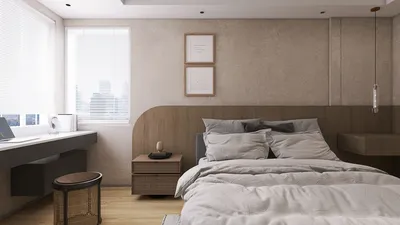


Once, I committed to painting a client's narrow, north-facing hallway a bold jet black, as they requested a 'dramatic' effect. While it certainly achieved a dramatic look, it also felt painfully claustrophobic. Thankfully, I transformed it with a warm, reflective neutral and a clever trim technique that bounced any available light around. Small spaces can ignite immense creativity, and over the years, I have successfully turned numerous near-failures into triumphs by reimagining color, finish, and layout. For practical advice, consider this space planning example, which illustrates how your paint choices can harmonize with the overall layout using innovative tools like Homestyler.
1. Choose a high-LRV neutral as your foundation.
I prefer warm off-whites and soft greiges due to their elevated Light Reflectance Value (LRV), which effectively enhances illumination in a room. The benefit is an immediate boost in brightness and a sense of space; however, it’s worth noting that very pale shades may reveal dirt or marks more quickly, so consider washable options in busy areas.
save pin
2. Paint the ceiling a shade lighter than the walls.
Opting for a ceiling color that is a tone or two lighter than the walls helps create the illusion of height. This inexpensive trick can have a remarkable impact, though it's essential to mind the contrast; a too-bright white against warm walls can feel disjointed. I typically experiment with samples on three walls before making a final decision.
save pin
3. Implement satin or low-sheen finishes for walls, reserving gloss for trim.
Satin or eggshell finishes offer just enough light reflection to brighten darker spaces without amplifying every flaw. In areas like kitchens or bathrooms, durability is crucial, so selecting finishes that stand up to cleaning is advisable. For a small kitchen I recently redesigned, combining satin walls with semi-gloss trim made the cabinetry stand out—see a related example in this compact kitchen illustration. Remember, glossier surfaces can highlight imperfections, so preparation is key.
save pin
4. Enhance color with texture and textiles.
Relying solely on paint won’t achieve the desired effect—incorporating fabrics, rugs, and textured wall treatments adds depth and softness to your space. A matte painted wall paired with linen curtains or a woven rug creates intentional reflectance contrast. Budget-friendly tip: paint first, then layer in textures to prevent overspending on specialized wall coverings.
save pin
5. Utilize strategic accents, mirrors, and a focal wall.
A single darker accent wall or vertical stripes can provide depth without overwhelming a small room, particularly when balanced with mirrored or glossy elements elsewhere. I often choose to complement an accent wall with reflective decor and a slightly lighter flooring treatment to create a layered effect—this approach reminds me of a recent flooring study I conducted; for layout inspiration, check out this 3D floor design. Just ensure that accents are thoughtfully placed to maintain room balance.
save pin
FAQ
Q1: Which paint colors are most effective in dark rooms?
I suggest using warm off-whites, soft greiges, and light warm pastels—shades with higher LRV that reflect light gently. Always test samples in various lighting conditions throughout the day before making a decision.
Q2: Should ceilings always be white to brighten a room?
Not necessarily; painting the ceiling a lighter shade than the walls often lends a more natural brightness to a space than stark white would. White can appear cold in certain color schemes, so consider a soft, warm white for a cohesive feel.
Q3: Is satin preferable to matte in dark rooms?
Satin and eggshell finishes are practical choices as they reflect some light and are easier to clean than matte, which tends to absorb light and show less definition. Opt for satin where durability is a priority and low-sheen for a softer appearance.
Q4: Can dark colors work in small, dark rooms?
Absolutely—when applied as accents or on ceilings to bring in drama. Combine them with reflective features, well-planned lighting, and lighter surfaces nearby to prevent the space from feeling constricted.
Q5: How critical are paint finish and color?
Both are significant: color dictates tone and ambiance, while finish influences light reflection and durability. In less illuminated spaces, I prioritize finishes that reflect light gently, like eggshell, and then select colors to create the desired atmosphere.
Q6: Any quick strategies to brighten a dark room?
Incorporate layered lighting (ambient + task + accent), utilize mirrors to reflect light, and keep window treatments light and breezy. Even rearranging furniture to enhance window visibility can make a considerable difference.
Q7: What's the technical insight on reflectance values?
Light Reflectance Value (LRV) indicates how much light a paint reflects; the higher the value, the brighter the effect. For in-depth information and LRV charts, refer to the technical guidance provided by Sherwin-Williams.
Q8: How should I budget for repainting a dark room?
Anticipate needing at least two coats of primer or a high-coverage paint to cover deep hues, in addition to samples. Costs may differ based on finish and preparatory work required, so conduct tests in small areas first and include expenses for tape, trims, and minor repairs.
save pin
Homestyler is your go-to online home design platform! With its user-friendly design tool, stunning 3D renderings, and a wealth of inspiring design projects and video tutorials, you can easily create and visualize your dream space, regardless of your experience level.
Design Now for FREE
































