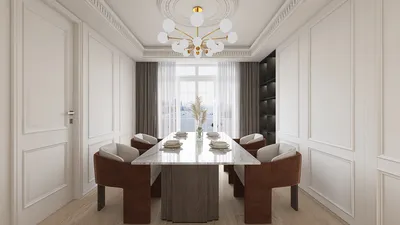


In today's residential designs, space is at a premium. Traditional machine-room elevators often take up valuable real estate and disrupt the overall aesthetics of a home. By opting for residential elevators that do not require separate machine rooms, I prioritize sleek architectural lines, reduce structural burdens, and provide seamless, quiet mobility—essential for compact urban environments and infill projects. Incorporating tools like Homestyler can aid in visualizing these designs effectively.
Machine-room-less (MRL) elevators are not only about efficiency; they also promote occupant well-being in multi-level living. According to the WELL Building Standard, accessible circulation aids in enhancing mobility and social engagement. Moreover, managing sound quality contributes to the mental health benefits noted in WELL v2’s Comfort concepts. Research by Steelcase underlines how perceived acoustic control can lead to improved productivity and reduced stress in busy environments. These findings inform my selections on drive systems, soundproofing, and enclosure materials tailored for residential settings.
The significance of space and geometry cannot be understated. In my designs, I utilize compact traction systems or innovative hydraulic packages that fit neatly within the hoistway, allowing for additional roofing or attic storage. An adept shaft design ensures fire safety and structural integrity, all while minimizing thickness. In spaces with limited layouts, I employ an interior layout planner to explore various shaft placements that interact with kitchens, living areas, or stairwells, ensuring optimal circulation and natural light before finalizing.
Key Advantages of Machine-Room-Less Elevators
MRL configurations integrate both the drive and controller within the hoistway, eliminating the need for dedicated machine rooms. This innovation results in reduced footprints, sleeker profiles, and fewer openings through the roofing structure. For multigenerational households, this style also offers accessibility without the bulk of mechanical installations. There are three primary benefits: enhanced space efficiency (often 15-25% less than traditional models), simpler architectural profiles at the top of the shaft, and faster installation processes due to fewer mechanical components.
Comparing Drive Types: Traction vs Hydraulic
Traction MRL systems, either gearless or geared, generally provide superior energy efficiency and smoother starts, with compact permanent magnet motors positioned at the top of the shaft. In contrast, hydraulic MRL systems often have their power units located within the hoistway or in nearby cabinets, offering simpler mechanics and potentially lower upfront costs. Hydraulic options can be beneficial for residences with limited electrical capacity, although modern gearless traction solutions usually offer quieter operation and enhanced ride quality even at slower speeds.
Managing Noise, Vibration, and Acoustic Comfort
Creating an acoustically controlled living space is vital. Per the WELL v2 standards, controlling sound travel in occupied areas is essential for cognitive relaxation. My elevator enclosures are designed with detached framing, resilient mounts for the power unit, and gaskets around door frames. For living areas adjacent to the shaft, a double-stud or staggered stud configuration combined with mineral wool insulation can substantially lower noise transmission; adding mass-loaded vinyl near the motor compartment furthers noise reduction. Studies indicate that proactive acoustic design is key for maintaining tranquility in bedrooms and home offices.
Lighting, Controls, and Human-Centric Design
Elevator interior lighting influences safety perceptions and overall aesthetic quality. I select warm-neutral LED lighting in the range of 3000-3500K with a high Color Rendering Index (CRI) to keep skin tones looking natural, while ensuring glare is minimized by using recessed lighting or diffused fixtures. The car operating panel (COP) should be accessible, with controls placed between 34-48 inches high and designed to be easily distinguishable in low light. For homes housing older adults, larger fonts and illuminated buttons mitigate the risk of mispressing controls.
Integration of Shaft Geometry and Structural Elements
Designing compact elevator shafts necessitates diligence in precision. Collaboration with structural engineers ensures that jambs and header areas where guide rails and door frames connect are adequately reinforced. For timber-framed structures, the use of laminated veneer lumber around the edges of the openings helps evenly distribute loads without the need for bulky support columns. With adequate planning, both hydraulic and traction systems can utilize minimal pit depths where slab conditions are problematic; in renovations, shallow pits combined with ramped sill transitions preserve the integrity of existing finishes.
Focusing on Energy and Sustainability
Traction MRL elevators equipped with regenerative drives can feed energy back to the home’s electrical system during descent, particularly advantageous for multi-level residences requiring frequent short trips. The choice of materials for the cab is equally important: I prefer powder-coated steel, low-VOC laminates, and FSC-certified wood veneers to maintain indoor air quality. LED lights equipped with occupancy sensors, paired with sealed cab fans featuring variable speeds, contribute to reducing noise and energy consumption.
Creative Layout Solutions for Compact Homes
The strategic placement of lifts greatly enhances daily convenience. I typically design the lift to be positioned adjacent to the stairwell for intuitive navigation, while avoiding locations that diminish daylight in living spaces. In narrow townhomes, a mid-plan shaft optimally aligns kitchens and bathrooms, simplifying plumbing and ventilation runs. By utilizing an interior layout planner, I can examine swing clearances, landing dimensions, and the positioning of the lift in relation to key furniture arrangements, ensuring that the elevator complements rather than disrupts daily life.
Prioritizing Safety, Codes, and Accessibility
It's essential for residential lifts to adhere to local regulations concerning doors, clearances, and safety features to prevent entrapment. I emphasize the importance of using interlocks, light curtains, and adequately sized landing gaps, and work closely with fire safety to ensure compliance where elevator shafts meet floor boundaries. When accommodating families with mobility challenges, dimensions of the car and landings should be wide enough for walkers or compact wheelchairs; handrails that are ergonomically positioned alongside slip-resistant flooring enhance safe transitions.
Material Selection and Visual Cohesion
From a visual standpoint, the elevator should seamlessly merge with the design of the home. Framed glass doors enhance brightness in landings, while acid-etched glass offers privacy without sacrificing light. Handrails crafted from warm wood or brushed stainless steel coordinate with the staircase touches. I often advocate for matte finishes to keep the surfaces clean from fingerprints and establish a calm visual flow throughout the various floors.
Considerations for Installation and Maintenance
While MRL systems simplify installation, early coordination remains crucial; clear routes for electrical supply, ventilation passages within the hoistway, and service access points must be planned ahead of time. Maintenance agreements should encompass regular checks on ropes, hydraulic systems, door operators, and emergency communication solutions. Thoughtful planning for access can minimize downtime for technicians and protect the surrounding finishes in landing areas.
Cost Management Insights
Although MRL traction systems may entail a higher upfront cost compared to basic hydraulic options, the lifecycle advantages—such as quieter performance, decreased energy consumption, and less structural modification—often lead to cost savings in thoughtfully designed homes. I recommend allocating contingency funds for potential acoustic enhancements and finish-level upgrades, as these directly affect perceived quality.
Common Questions
Absolutely. MRL designs are suitable for many two- to four-story dwellings, particularly when roof space is at a premium or a streamlined exterior profile is desired.
Yes, modern gearless traction systems indeed provide a quieter and smoother ride. While hydraulic units can be well-isolated, traction systems usually offer superior performance in maintaining a consistent sound and easing start/stop transitions.
Yes, eliminating a dedicated machine room often recovers a space equivalent to a small room, simplifying the roofing and attic configuration. The precise amount of recovered space will vary based on the cab's dimensions and the shaft's design.
Typically, yes. Shallow pit designs and compact motor technologies facilitate retrofitting, as long as structural and fire safety standards are respected.
Select low-glare LED lighting between 3000-3500K, adhering to IES glare management guidelines by using diffusers or recessed linear fixtures to enhance visibility without discomfort.
It indeed supports multigenerational living by providing dependable vertical transport. Ensure that car sizes, handrails, and landings comply with best practices for accessibility.
Use decoupled framing, resilient mounts, plus insulation like mineral wool and mass-loaded vinyl in close proximity to living areas to enhance sound isolation, also sealing door assemblies.
Typically, traction MRL lifts are more energy-efficient; utilizing regenerative drives can channel energy back into the home's system on descents, and LED lights with motion sensors curtail energy expenditure.
I recommend aligning the lift with the stair core for straightforward movement and light access. Utilize a layout planner to verify clearances and relationships with furniture setups.
Correct, access points remain concealed within the hoistway or via discrete panels. Early planning for service points ensures efficient inspections without interrupting the home's aesthetic.
Yes, both framed and laminated glass options are available. Acid-etched glazing enables privacy while allowing light to flow through landings.
Local regulations dictate requirements for interlocks, landing clearances, fire ratings, and emergency communication systems. Early collaboration with inspectors is crucial to avoid significant redesign efforts.
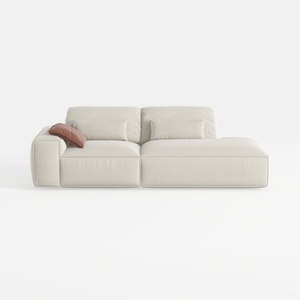
109" Cloud Sectional Couch - L Shaped Chenille Cou
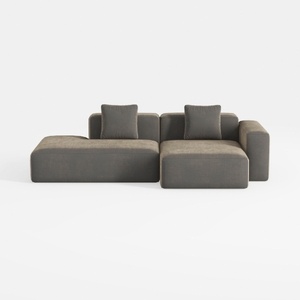
WJShome Cloud Couch Modular Sectional Sofa,102inch
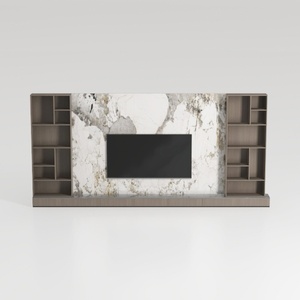
Rustic White Shoe Cabinet Storage with 2 Flip
Homestyler is an outstanding online home design platform that makes interior decorating effortless. With its user-friendly design tool, stunning 3D renderings, and a wealth of DIY video tutorials, you can turn your home design dreams into reality, whether you're a beginner or an experienced designer!
Zaprojektuj teraz za darmo
































