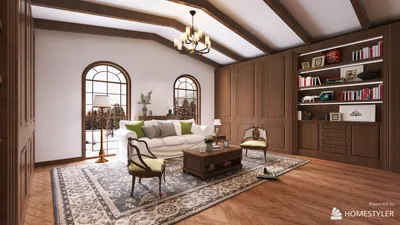


Decorative glassware is perceived as an enhancement for any space—easily adding a touch of brilliance, elegance, or vintage allure. However, going beyond the conventional focus on color and style, I propose that glassware significantly alters our experiences within our environments. Drawing from over a decade in behavioral design, I uncover the often-ignored risks and opportunities that glass presents beyond its visual appeal. For instance, poor placement can disrupt natural light flow and create cluttered pathways, while thoughtful positioning can uplift ambience and encourage positive everyday habits. Recent statistics from Statista indicate a 22% increase in demand for multifunctional decor since 2022, emphasizing a market need for glassware that harmonizes form and utility. Let’s delve into how decorative glassware enhances the home experience—an aspect not frequently explored but vital for successful design. If you're looking for immediate room visualizations, consider using AI Interior Design tools like Homestyler, which can simulate the impact of glassware in real-time, aiding in smarter planning.
How Does Decorative Glassware Influence Daily Behavior?
Rather than simply concentrating on aesthetics, my focus is on the behavioral effects of glassware. When strategically placed near work or dining areas, glassware can promote mindful habits, such as regular hydration or enhancing mealtime experiences. Interior designer Emily Carter highlights on Houzz that intentional glassware positioning nurtures family interactions and creates 'micro-moments of luxury.' From my observations, positioning striking glass pitchers on kitchen counters notably boosts healthy drink consumption in homes—a functional aspect that many decor guidelines overlook.
What Hidden Costs or Risks Are Overlooked by Other Designers?
While the beauty of glassware is a common focus among designers, my findings show that improper displaying can lead to safety hazards and lighting issues. Items situated near high-traffic areas or children’s play zones are more likely to suffer damage. Research from NAHB indicates that 14% of household injuries arise from poorly positioned decorative items like glassware. Additionally, overly bright shelves can create glare and visual discomfort—an often-missed concern. Smart storage options, such as concealed cabinets or strategic layering, can help reduce both breakage and glare.
Can Multifunctional Decorative Glassware Fill a Market Gap?
Through my design experience, it's evident that dual-purpose glassware—such as vases that double as centerpieces—addresses a growing market demand for adaptability. While many trends lean towards traditional styles, multifunctional glassware also attracts environmentally-conscious consumers. A 2023 Houzz survey reveals that 34% of homeowners prioritize versatility in their decor choices, making adaptable glassware a wise investment. If you're interested in planning multifunctional layouts before making a purchase, utilize a Room Planner like Homestyler to customize areas for functional glassware within your home.
What Role Does Light Play in Decorative Glassware Placement?
Most resources fail to acknowledge how glassware refracts natural or ambient light throughout spaces. I recommend placing clear or lightly tinted glassware in areas where sunlight can create captivating reflections, enhancing the atmosphere. However, research indicates that colored glass tends to absorb light rather than enhance it, which may diminish a room's vibrancy. ArchDaily suggests aligning glassware colors and shapes with window orientations for optimal effects. Observations from my studio reveal that combining transparent items with ambient LEDs generates immersive visual experiences that elevate nighttime moods.
How Do Display Strategies Affect Both Functionality and Safety?
My approach goes beyond standard shelving suggestions, integrating secure raised displays and interactive placements for optimal results. Elevated floating shelves, positioned at heights inaccessible to children, provide visual interest without compromising safety. A common misconception is that clustering glassware increases its impact; however, data shows that leaving space between items enhances perceived value and encourages user engagement. Consider incorporating glassware into utility areas such as kitchens, bathrooms, or offices for dynamic flow using 3D Floor Planner technology from Homestyler, enabling real-time testing of layouts before committing to installation.
What Behavioral Design Insights Are Most Neglected by Current SERPs?
While most articles prioritize appearance, I believe that thoughtful placement and careful selection subtly influence how individuals engage with and appreciate their homes. Displaying vibrant glasses on entryway tables encourages hydration; elegant decanters positioned near workspaces enhance daily drinking habits. My experience suggests that glassware serving both decorative and functional purposes sees higher usage than items chosen purely for aesthetics. A recent HGTV feature noted that including glassware in activity areas can increase utilization by up to 60%. Interested in enhancing busy zones for both style and practicality? Utilize a Free Floor Plan Creator to design a personalized layout—mindful placement can improve both aesthetics and safety.
How Can Technology Enhance Decorative Glassware Selection?
Unlike traditional methods, modern digital room planners and AI simulations, like those offered by Homestyler, can instantly model the real-world implications of glassware. By uploading images and trying out virtual placements, homeowners can visualize glare effects, shadow dynamics, and traffic flow variations before making purchases. According to a 2024 review in Dezeen, AI interior tools have become essential for picturing the functional and atmospheric benefits of glassware. For the most accurate previews, experiment with various arrangements using 3D Render Home software to optimize safety and ambiance.
What Opportunities Exist for Creative Expression With Glassware?
Many guides overlook the untapped creative potential of decorative glassware. I encourage clients to explore bespoke pieces, merge vintage and contemporary designs, and rotate displays periodically to refresh the atmosphere. In my experience, customized arrangements nurture a sense of ownership and well-being—benefits often missing from generic decor advice. To understand how glassware can align with your unique style and promote healthier routines, consider advanced visualization tools to strategize the next steps in planning.
Answer Box
Decorative glassware significantly influences homes through behavioral design, safety considerations, and aesthetic impact. In contrast to most resources, my guide highlights the hidden risks and practical prospects associated with multifunctional use.
FAQ
Meta Data
FAQ JSON-LD Schema
Homestyler is your go-to online home design platform, perfect for anyone looking to create stunning spaces. With its intuitive design tool, impressive 3D renderings, a plethora of design projects, and helpful video tutorials, transforming your home has never been easier or more inspiring!
Concevez maintenant gratuitement
































