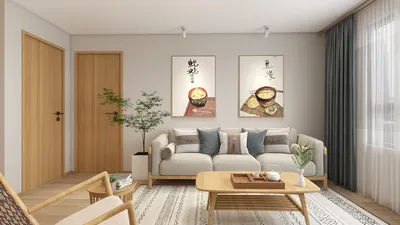


Home renovation can rejuvenate your living environment, making it a chic and functional sanctuary. If you're planning to upgrade your residence, it's beneficial to integrate sustainable design concepts and optimize every inch of available space. Whether you're enhancing a single area or your entire property, meticulous planning is vital for a successful makeover.
Defining Your Remodeling Objectives
Before embarking on your remodeling journey, it's essential to clarify your objectives. Are you aiming to boost your property's market value, enhance its functionality, or refresh its visual appeal? By clearly specifying your ambitions, you can customize your renovation to align with your particular requirements.
Selecting the Appropriate Design Style
In the realm of home remodeling, choosing a unified aesthetic can harmonize your space. Investigate various design styles—including modern, rustic, and industrial—to discover what resonates with your vision. Each style brings its distinctive features, so weigh your preferences alongside your home's current characteristics.
Incorporating Versatile Furniture Solutions
In compact areas, versatile furniture plays a crucial role. Seek out items that fulfill multiple roles, like a sofa bed for overnight visitors or a coffee table with concealed storage. This strategy not only enhances space efficiency but also refines the overall decor.
Using Eco-Friendly Materials
The trend toward sustainable home remodeling is on the rise. Choose environmentally conscious materials that minimize your ecological impact while adding unique character to your home. Examples include bamboo flooring, recycled glass tiles, and low-VOC paints, all of which contribute to a healthier living environment.
Importance of Lighting
Proper lighting can significantly alter any room, making it seem more spacious and inviting. Aim to incorporate a mix of lighting types—ambient, task, and accent—to create a well-illuminated and harmonious atmosphere. Remember to leverage natural light by keeping windows clear and unobstructed whenever possible.
Choosing Between Professional Help and DIY
Your choice between hiring professionals or opting for a DIY approach will hinge on your skill set and the complexity of the task. For detailed designs or structural changes, engaging a qualified contractor can save you valuable time and guarantee superior workmanship. Conversely, many smaller jobs can be managed independently, offering a rewarding and budget-friendly experience.
Finishing Touches: Decor and Accessories
After completing the structural and functional facets of your remodel, it's time to shift focus to decor. Select accessories that embody your identity and elevate the overall design. Items like artwork, textiles, and decorative pieces can significantly enhance the finished appearance of your revamped space.
Enjoying the Remodeling Journey
Home renovations are a process that demands both patience and creativity. Embrace obstacles while also celebrating successes along the way. Keep in mind that the ultimate aim is to design a space that truly feels like home, possibly with the help of tools like Homestyler to visualize your ideas.
Frequently Asked Questions
Q: What initial steps should I take when planning a home remodel? A: Begin by articulating your goals, establishing a budget, and identifying the specific areas of your home that require improvement.
Q: How can I optimize space in a smaller residence? A: Employ multi-functional furniture, smart storage solutions, and contemplate an open floor design for better flow.
Q: What eco-friendly materials can I consider for remodeling? A: Explore options such as bamboo, reclaimed wood, recycled glass, and low-VOC paints for an environmentally friendly approach.
Diseño ahora GRATIS
































