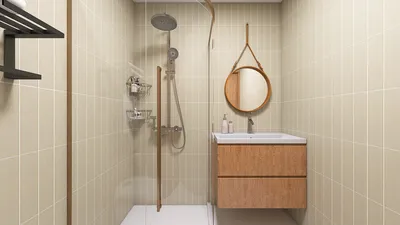


When considering tile colors for your living room, I always strive to maintain a harmonious balance between the mood you wish to create, the natural light available, and your lifestyle preferences. The choice of color establishes the emotional foundation of the space, while the finish of the tile influences how light interacts with your room. Additionally, the grout color plays a vital role in achieving visual harmony—these three elements can dramatically alter the ambiance of your living area almost instantly. Leveraging options like Homestyler can help visualize these changes effectively.
To ensure successful color selection, natural light is essential. In rooms with abundant daylight, opting for cooler mid-tones will create a refreshing atmosphere without making the space feel too stark; conversely, warmer neutrals can enhance coziness in dimly lit rooms. According to WELL v2 guidelines, managing glare and ensuring visual comfort are crucial for cognitive performance, with recommended light levels ranging from 100–300 lux for living spaces, and up to 500 lux in specific activity zones. This illuminance spectrum serves as a practical guideline when selecting tiles, whether reflective or matte. For mood enhancement, Verywell Mind's color psychology findings suggest that blues induce tranquility, greens promote balance, and warm colors foster a sense of comfort—valuable insights that can be integrated through tools like Homestyler during palette selection.
Understanding traffic patterns within the space is equally important as selecting a color palette. Insights from Steelcase's workplace behavior studies highlight how visual simplicity lowers cognitive load; thus, in a living room setting, coherent tile patterns and subtle grouting can minimize visual clutter. As the room's layout evolves—be it an open plan, a reading nook, or a media wall—using a room layout tool can assist in visualizing how color blocks and dark tiles can effectively anchor seating zones while maintaining flow.
Warm Neutrals: The Most Forgiving Base
Choosing tiles in shades of beige, greige, and soft taupe can instill immediate warmth without overwhelming the space visually. These tones not only reflect light effectively to maintain an open feel but also do a better job concealing dust than stark whites. A grout that is just one shade darker can keep lines crisp without drawing attention to the joints. In environments with limited sunlight, consider a satin or honed finish to minimize glare while still ensuring gentle light reflectance.
Soft Gray: Calm, Contemporary, and Adaptive
Soft grays complement south-facing or brightly lit rooms where managing direct light is important. Mid-gray porcelain lends a serene quality, harmonizing beautifully with bold furnishings and artwork. Incorporating subtle veining or terrazzo-style flecks not only adds visual interest but also helps disperse light and mask wear. For a seamless look, it's best to keep grout within the same tonal family of the tiles, maintaining that clean, expansive aesthetic.
Earthy Tones: Terracotta, Sand, and Clay
Earthy tones like terracotta and sandy hues bring warmth and texture, particularly in spaces featuring natural wood or linen furnishings. These colors create a grounded biophilic ambiance that aligns well with WELL's focus on sustainability and organic elements. Opting for a matte tile finish reduces glare and allows colors to remain true throughout the day, enhancing both comfort and aesthetic.
Soft White and Off-White: Bright Without Sterile
Soft off-whites, including almond, ivory, and warm cotton shades, can make small living rooms feel more expansive. Incorporating restrained textures—such as micro-fluting or subtle stone patterns—helps prevent a sterile feeling by diffusing harsh glare. In spaces lit below the recommended 300–500 lux, a glossy white may create hotspots, thus a honed or eggshell finish is a better option for maintaining brightness while ensuring comfort. For minimalist furniture arrangements, using a whisper-warm grout can keep the floor from feeling too icy.
Deep Charcoal and Near-Black: Anchoring and Dramatic
Selecting dark tiles can serve as powerful tools for defining spaces. They effectively ground larger rooms or delineate conversation areas, offering a sophisticated aesthetic when paired with materials like brass, walnut, and plush fabrics. However, these darker tones require balanced ambient and task lighting, so incorporating layered lighting at varying heights, such as floor lamps and wall washers, can keep surfaces warm and inviting. Choosing a tone-on-tone grout approach helps minimize undesirable checkerboard effects.
Natural Stone Looks: Marble, Limestone, and Slate Tones
Porcelain that mimics natural stone brings the elegance of marble or limestone into everyday living with durability. Lighter marble tones can create a feeling of airiness, while darker slate options provide depth. To establish a cohesive flow, aim for veining patterns that guide movement rather than compete with it. Maintaining minimal grout contrast allows for a seamless, slab-like appearance in the final design.
Color Accents: Sage, Ink Blue, and Dusty Rose
Strategically placed color-forward tiles can enhance a space without overwhelming it. Shades like sage blend beautifully with indoor plants and natural woods; ink blue instills quiet sophistication; while dusty rose introduces warmth without leaning too heavily into red. I typically recommend using these as accents in borders, hearths, or select insets, allowing for adaptive style as interior tastes evolve over time.
Finish and Sheen: How Light Behaves on Tile
Glossy finishes can enhance brightness and reflections, making them suitable for lower-light areas, provided that glare is mitigated through diffusing strategies. On the other hand, matte and honed finishes scatter light more evenly, ensuring comfort in well-lit spaces. Opting for textured tiles not only increases traction but also helps mask scuffs and wear over time, thus balancing texture with proper ambient lighting to reduce visual fatigue.
Grout Color: The Hidden Design Decision
Grout can make or break a design's visual appeal. Matching grout colors with tiles creates a seamless effect, while contrasting colors can introduce a graphic quality that suits modern or industrial aesthetics. In family-oriented spaces, I lean toward mid-tone grout for easier maintenance and a softer visual impact. To achieve a refined finish, aim for tight joint widths (2–3 mm whenever feasible).
Scale and Pattern: Readability from a Human Factors Lens
Utilizing large-format tiles (like 24x24 or 24x48) can significantly reduce visual clutter and minimize cleaning lines, which is particularly effective in open layout plans. Patterns like herringbone or chevron can bring a sense of movement and should be laid in alignment with the primary traffic flow for intuitive guidance. Subtle patterns tend to be more livable over time, resonating with research focused on cognitive ease in visually ordered spaces.
Lighting Pairings: Color Temperature and Comfort
The interaction between tile colors and lamp color temperatures is crucial to achieving an inviting ambiance. Warm neutrals flourish under lamps ranging from 2700 to 3000K for cozy evenings, while cool grays and blues appear crisp under a 3000–3500K light without compromising warmth. Layered lighting solutions—such as ambient ceiling washes, task lighting positioned near seating, and accent lighting on artwork—are essential. Following the Illuminating Engineering Society's comfort standards can help avoid glare, so consider using diffused shades and indirect lighting in areas with glossy tiles to enhance comfort.
Maintenance and Lifestyle: Choosing for Real Life
Porcelain tiles in mid-tone colors usually provide the most practicality for busy families and pet owners. Subtle variations achieved through stone or terrazzo looks can hide everyday messes more effectively. For hosts, selecting darker tiles in entryways can minimize noticeable tracking while lighter-colored tiles in communal spaces encourage openness and brightness. When it comes to natural stone, be sure to seal it properly and conduct tests on spare pieces to avoid unwanted sheen changes.
Rapid Color Selection Framework
1) Assess the light conditions: observe the room's orientation and lux levels at midday; 2) Identify the desired mood: cozy, serene, or invigorating—ensuring alignment with color theory; 3) Evaluate lifestyle factors: presence of pets, children, or frequent entertaining; 4) Decide on the finish: matte for glare-sensitive areas, satin or gloss for spaces with limited light; 5) Determine the grout strategy: select matching for a smooth look, contrast for visual interest; 6) Utilize an interior layout planner like Homestyler to create mock-ups for effective validation of scale and transitions.
FAQ
Soft off-whites, light beiges, and pale grays enhance the perception of space by reflecting more light effectively. Opt for honed finishes to minimize glare while softening edges.
Yes, provided that the lighting layers are well-distributed and the finish is either matte or satin. Dark tiles are adept at concealing scratches yet can show dust; employing mid-tone grout and regular cleaning helps maintain their appearance.
To achieve a seamless slab effect, matching grout with tiles is ideal; contrast can form a structured grid, suited for modern or industrial motifs. For a serene living room, sticking to grout within one shade of the tile can be beneficial.
Warm neutrals like beige, ivory, and light taupe equipped with satin finishes can sustain brightness while preventing glare. Pair these with ambient lighting within the 2700–3000K range to cultivate a cozy yet natural atmosphere.
Glossy tiles amplify reflections, though glare is dependent on lighting types and angles. Utilizing diffused or indirect lighting while avoiding bare high-intensity bulbs in visible areas can provide a favorable environment.
Colors such as sage, ink blue, and dusty rose mature gracefully and harmonize beautifully with wood tones and neutral palettes. These tones are best used in small accents rather than as dominant colors in the space.
Ensure color undertones are harmonious: warm tones with warm wood and textiles, and cooler tones with grey or blue furnishings. Always bring physical samples home to see how they look in your actual lighting conditions.
Featuring large-format tiles can greatly reduce grout lines and visual distractions, making them perfect for open concept layouts. If a patterned look is preferred, consider mid-tone herringbone planks to gracefully direct movement.
Absolutely—porcelain tiles mimicking marble allow you to enjoy the aesthetic of stone with increased durability and ease of maintenance. Opt for minimal contrast in the veining for lasting versatility.
Gray tiles tend to provide balanced aesthetics under 3000–3500K lighting. Employing dimmers can warm the atmosphere in the evening without significantly altering the tile’s perceived color.
Research in color psychology correlates blues and greens with feelings of calm and balance. Utilizing these shades as accents or mid-tones can help foster a restorative environment.
Utilizing a mid-tone warm gray or greige in a honed finish combined with near-matching grout provides a versatile design that can adapt across seasons while ensuring durability for daily use.

Homestyler is your go-to online home design platform, perfect for both novices and seasoned designers. With its user-friendly design tool, stunning 3D renderings, diverse design projects, and helpful video tutorials, you can effortlessly create and visualize your dream spaces. Start designing today!
Design Now for FREE
































