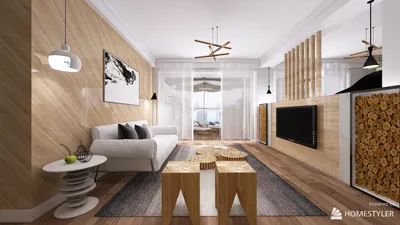


I appreciate heating solutions that honor both spatial design and human comfort without disrupting a room's visual aesthetics. Halogen room heaters provide immediate radiant warmth in a compact form, effectively serving targeted environments such as living areas, reading nooks, home offices, or transitional spaces. When used correctly, the focused infrared heat complements insulation strategies, diminishing the need for full-home systems during the cooler months.
The importance of comfort cannot be understated. Research from Steelcase indicates that thermal discomfort significantly impacts productivity in work settings; even minor temperature fluctuations can diminish focus and satisfaction. WELL v2’s Thermal Comfort guidelines stress the significance of maintaining temperature and airflow conditions that empower individual control and perceived comfort—concepts that are easily applicable to residential microclimates where a halogen heater shines. These insights highlight a straightforward truth: localized and manageable heating enhances comfort and productivity, particularly in home office environments.
Understanding light and heat interactions is crucial in design. The Illuminating Engineering Society (IES) provides standards for brightness and glare management; while halogen heaters mainly provide heat, their illuminated components can subtly enhance the ambiance in darker spaces. Achieving a balance of ambient lighting mitigates the risk of glare, especially near screens. I often combine warm LED lighting (2700–3000K) with halogen heating in reading corners to foster a comfortable environment conducive to relaxation and work.
The Efficiency of Halogen Heating
Halogen heaters operate using tungsten filaments encased in halogen gas, which emit infrared radiation that warms objects and people directly, rather than first heating the air. This immediacy improves user experience in targeted areas—near seats, desks, or doorways. Their directional heat makes them ideal for compact spaces or designated areas within larger rooms. Typically lightweight, portable, and unobtrusive, these heaters avoid dominating the visual space, unlike larger convection models. For families keen on reducing energy bills, deploying radiant halogen heating can minimize whole-house temperature fluctuations during transitional periods.
Addressing Human Factors: Comfort, Control, and Safety
Thermal comfort varies individually, influenced by clothing, activity levels, and radiant asymmetry. I recommend positioning halogen heaters about 0.8–1.2 m from where a person is seated, with an angle of 15–30° to prevent direct hot spots. Select units with safety features like tip-over protection, cool-touch exteriors, and auto shutoff mechanisms. For homes with children or pets, prioritize stability and protective grilles. The ability to control warmth through a simple dial or digital thermostat aligns with WELL principles promoting individual comfort—users feel more at ease when they can adjust temperature settings instantaneously.
Incorporating a Halogen Heater Into Your Room Design
The layout of your space is key to performance. In living areas, I suggest placing a halogen heater near the main seating area, ensuring ample distance from fabrics and keeping at least 0.5 m away from curtains or upholstered furniture. Within home offices, position it away from where legs rest to ensure an even heat distribution. If you’re experimenting with different layouts, utilizing a simulation tool like a room layout tool can clarify spatial clearances and safety considerations before making your final decision.
Consider using thermal layering: merge the immediate comfort of radiant halogen heat with background convection from a central HVAC system set a bit lower. This strategy can stabilize the perceived warmth while minimizing energy consumption. In older houses with drafts, door sweeps and modest window sealing can help reduce heat loss, letting the halogen unit perform at its best.
Light Environment and Visual Comfort
Halogen heaters emit a warm glow; in low-light rooms, this can serve as an attractive focal point. To prevent glare from affecting screen use, keep the heater out of direct sightlines and enhance the area with low-glare task lighting. Following IES guidelines, I pair matte surfaces around the heater with soft ambient lights to ensure comfort for the eyes. If the unit features a reflective grill, position it to avoid direct views from seating areas to limit glare.
Energy Use and Targeted Heating Zones
Halogen room heaters usually range between 400–1200W and feature multiple heating modes. Zoning allows for control: heat only the occupied microzone for 30–60 minutes during morning routines or evening reading instead of raising the temperature across the entire house. This method is especially practical in milder climates or transitional seasons, where activating the complete system may be unnecessary. For larger homes, consider using two smaller units in different zones rather than a single oversized option to ensure even heat distribution.
Material Quality and Durability
I prefer models with powder-coated steel or aluminum exteriors for heat management and reduced off-gassing. Ensure protective grilles are designed with smooth edges to avoid snagging on fabrics. Cords should be heat-rated and placed such that they are not run under rugs. For longevity, look for replaceable halogen bulbs and accessible dust filters, especially in units with fan assistance. Maintenance is simple: clean the grill and intake monthly, ensure airflow isn’t blocked, and inspect for discoloration indicating overheating.
Acoustics and Usage Patterns
Radiant halogen units are inherently quiet, making them well-suited for reading or conference calls. Should a model include a fan, be sure to check its noise level to avoid disruptions—particularly in workspace environments. According to Steelcase findings, noise can be a significant environmental stressor affecting productivity; a silent radiant source preserves acoustic comfort better than most convection heaters.
Safety Protocols and Clearances
Ensure you maintain appropriate clearances: typically 0.5 m from fabrics, paper items, and lower shelving. Keep the heater away from water sources and do not use it in bathrooms unless specifically rated for such environments. Power management is crucial—dedicated outlets are preferred, and avoid linking multiple power strips. For nighttime use, set a timer and angle the heater away from bedding to prevent overheating in localized areas.
Designing for Aesthetics and Spatial Harmony
Compact heaters should integrate seamlessly with the room's aesthetic elements. Dark matte finishes blend visually; brushed metal may complement existing fixtures. Place the heater in proximity to floor lamps or side tables to incorporate it naturally into your furnishings, reducing visual clutter. Maintain unobstructed pathways to ensure the heater remains positioned at the edge of the seating area, preserving a clear central social space.
Selecting The Right Model
Choose wattage based on room size and purpose. For a 6–10 m² reading space, a heater between 400–800W is generally adequate. For a 10–16 m² lounge, consider options between 800–1200W for effective localized comfort. Emphasize safety features, variable heat bars, tilt protection, and sturdy bases. Assess cord length and placement to prevent them from crossing pathways. If the space is shared, models with adjustable bar controls provide nuanced comfort adjustments for multiple users.
- Confirm clearances and circulation paths.
- Position heater angled 15–30° off-axis to seating.
- Ensure visual illumination balance with ambient lights.
- Pair localized heating with slightly lower HVAC settings.
- Verify tip-over and overheat safety features.
- Match finish with surrounding room materials for cohesion.
- Organize cords neatly and keep them clear of pathways.
Optimizing Placement for Superior Performance
Position the heater at a mid-height level in relation to seated postures, preventing direct heating that may cause discomfort at shin level. A subtle diagonal angle facilitates an even warmth distribution. In open-plan layouts, place the heater near key activity zones, ensuring free circulation areas. Experiment for the best comfort by sitting for a few minutes and making slight angle adjustments instead of increasing wattage right away.
Strategies for Seasonal Heating
Use halogen heating for quick warm-ups in the morning while taking advantage of sunlight through open blinds to maximize passive solar benefits. During evenings, rely on localized radiant heating in reading areas, using minimal central HVAC to foster comfort while promoting energy savings without sacrificing aesthetics.
Where Ergonomics and Aesthetics Meet
Selecting a heater’s height and stability is essential; opt for models that are easy to move without straining. Organizing cables neatly helps prevent tripping hazards and visual clutter. Align the heater with your furniture layout for an intentional look, rather than an improvised one.
Additional Resources and Suggested Reading
For insights on thermal comfort standards and performance evaluations, I frequently consult the WELL v2 Thermal Comfort guide and Steelcase research on factors that influence workplace productivity. Both provide practical frameworks to align environmental characteristics with human-centered design. WELL v2 Thermal Comfort
Frequently Asked Questions
Q1: Are halogen heaters more cost-effective than convection heaters?
A1: In localized zones and short usage scenarios, they can be. Radiant heat creates immediate warmth, reducing the overall runtime and avoiding the need for full-home heating. However, for larger spaces or extended heating, convection might be more efficient.
Q2: Do halogen heaters make the air dry?
A2: Radiant heating warms people and surfaces directly, having minimal effects on humidity levels. If an area feels too dry, consider a small humidifier or adjust your central HVAC settings accordingly.
Q3: What safety features should be prioritized?
A3: Look for units with tip-over protection, automatic shutoff capabilities, stable designs, and protective grills. Always ensure safe distances from combustible materials and limit use near water unless the heater is rated for those conditions.
Q4: Will the heater's glow create glare in a media environment?
A4: It could if positioned within direct sightlines. Place the heater off-axis from screens and ensure balanced ambient lighting following IES glare control recommendations to maintain visual comfort.
Q5: How do I determine the right size of halogen heater for my space?
A5: For a small reading area of 6–10 m², 400–800W usually suffices; for a lounge covering 10–16 m², 800–1200W is ideal for spot heating. Take into account insulation quality and the number of occupants when selecting the size.
Q6: Are halogen heaters safe for homes with children or pets?
A6: They can be, provided you take necessary precautions—opt for stable designs with grills, maintain safe distances, and use timers. Position the units out of reach and away from high-traffic areas.
Q7: Can halogen heaters effectively complement central HVAC?
A7: Absolutely. Utilizing radiant zones for occupied spaces while keeping central HVAC set lower maintains comfort and can help reduce energy costs during transitional weather.
Q8: Will halogen heating affect the aesthetic appeal of my room?
A8: It can, if you select compact, matte-finish models, integrating them near existing furniture. Align the heater with your room's furniture layout and manage cords for an aesthetically pleasing environment.
Q9: Is there a concern about noise from halogen heaters?
A9: Generally, they operate silently. If a model has a fan feature, consult the noise level ratings to ensure it doesn’t intrude upon work or relaxation, as quiet radiant heat enhances acoustic comfort in home offices.
Q10: How does halogen heating compare to ceramic or oil-filled models?
A10: Halogen provides instant localized heating ideal for spot tasks, while ceramic offers quicker convection in smaller areas. Oil-filled heaters deliver a slower, steadier background temperature. Choice depends on your particular usage needs and room sizes.
Q11: What maintenance is required?
A11: Regularly dust the grills, keep air intakes clean, check for signs of wear like discoloration, and replace bulbs as necessary. Avoid placing cords beneath rugs and monitor plugs for heat accumulation.
Q12: Can I use a halogen heater outdoors?
A12: Only with devices rated for outdoor use and safeguarded against moisture. For covered patios, ensure there is sufficient clearance and that all electrical connections meet safety standards.

Discover Homestyler, the ideal online platform for home design enthusiasts! With its easy-to-use design tool, stunning 3D renderings, a plethora of inspiring design projects, and helpful DIY video tutorials, you'll effortlessly transform your creative ideas into beautiful spaces.
Design jetzt kostenlos
































