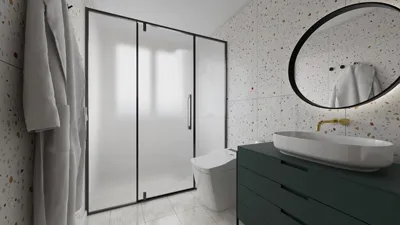


False ceilings made of gypsum board can seamlessly alter the atmosphere of a living room by enhancing acoustics, concealing utilities, and sculpting lighting for everyday comfort. In my designs, I favor gypsum for its sleek lines, dependable functionality, and versatility, easily merging with various interior styles, from minimalist apartments to eclectic layered homes, making it a brilliant choice for Homestyler enthusiasts.
Decisions in design are most effective when grounded in evidence. The WELL v2 standard advocates for optimal ambient illuminance to ensure visual comfort and support circadian rhythms, typically achieved through layered lighting strategies and glare control. My goal is to achieve illumination levels of about 150–300 lux in the living room's ambient areas, scaling up to 400–500 lux for activities like reading, informed by IES guidance (ies.org/standards). Gensler’s research consistently connects environmental quality with occupant satisfaction, underscoring that lighting quality, sound control, and tactile material choices significantly impact everyday well-being (gensler.com/research).
Advantages of Gypsum Ceilings
Gypsum board is known for its sharp geometrical lines, fire-resistance, and integration of services. Within living spaces, it efficiently hides ductwork and wiring while sculpting ceiling soffits to delineate areas, and offers an ideal surface for lighting installation. It also diminishes sound reverberation; adding insulation above and using strategically placed perforations (with acoustic fabric) mitigates echoes without sacrificing aesthetics. The right color temperature is essential: I usually recommend a warm white in the 2700–3000K range for living spaces to encourage relaxation, with dimmable options to create a soft ambiance in the evenings.
Innovative Lighting Concepts
A structured hierarchy of lighting enhances comfort. Implementing a three-layer system—ambient, accent, and task—ensures that a living room remains versatile. Ambient cove lighting integrated into gypsum recesses can create a spacious wash of light across the ceiling. Accent lights can draw attention to artworks or textured walls, while task lights are positioned strategically by reading nooks or surfaces. As suggested by the WELL Light framework, preventing glare and ensuring uniform lighting distribution are critical; recessed fixtures are essential to minimize direct visibility of bulbs, complemented with diffusers and balanced lumens to avoid eye strain.
Design Proposal 1: Perimeter Cove with a Soft Glow
Utilize a slim gypsum ledge encircling the room to create a continuous cove effect. LED strips can be placed invisibly, bouncing light upward to create an illusion of higher ceilings. Aim for a cove depth of 100–150 mm to conceal the light source while allowing for maintenance access. Pair these strips with a color temperature of 2700–3000K and a high Color Rendering Index (CRI of 90+) to accurately reflect fabrics and finishes. This strategy is effective for lower ceilings, enhancing height without adding bulky elements.
Design Proposal 2: Layered Ceilings for Area Definition
Incorporate a two- or three-level gypsum profile to differentiate between seating and walking paths. Position the deeper tier above the sofa area and the shallower one along the walkways. Recessed downlights in the deeper section provide appropriate illumination for reading, while the upper layer softly diffuses light. This rhythmic design ensures an intentional style that aids in orientation and centers visual focus.
Design Proposal 3: Suspended Gypsum Canopy
A suspended rectangular canopy—set apart from the primary ceiling by 40–60 mm—offers a gallery-like ambiance, making it ideal for expansive living areas or open layouts. Integrate backlighting along its edges and low-glare downlights within to create an inviting glow. The gap between the two forms allows for a continuous beam of light, adding depth and subtle drama without overwhelming the existing space.
Design Proposal 4: Gentle Curves and Soft Lines
Curved gypsum elements are particularly effective in narrow living rooms, facilitating smooth transitions and alleviating the tunnel effect. Pair gentle curves with wall-washers to accentuate textured surfaces. Ensure curves are generous; tight bends can appear cluttered and complicate the finishing. These contours inspire calm movement and naturally guide the eye towards windows or art pieces.
Design Proposal 5: Linear Slots for Modern Aesthetics
Incorporate slot-in gypsum channels that house trimless linear LEDs, fostering precise, modern lines. Position parallel slots above seating areas to enhance symmetry or direct a single slot toward a focal wall. Choose appropriate beam angles to prevent streaking, and opt for continuous lenses to avoid scalloping effects. Adjustable dimming options create an atmosphere suitable for movie viewing, hosting gatherings, or relaxing.
Design Proposal 6: Coffered Gypsum with Sleek Grids
Shallow coffers—ranging from 50–80 mm in depth—introduce texture without adding visual heaviness. Repurpose small fixtures hidden within the coffers to keep the ceiling design serene. A straightforward 3x3 grid serves square rooms well; elongated rectangles enhance longer spaces. Such design creates a delightful play of shadows that enrich visual order.
Design Proposal 7: Integrated Service Spine
Establish a singular longitudinal gypsum spine capable of housing ductwork, sprinklers, and electrical wiring. Finish this structure with a neat beam style, incorporating concealed access panels. Design slots for LED uplighting that transform the spine into an architectural highlight, while ensuring practical maintenance with a streamlined aesthetic.
The Impact of Color Psychology and Ceiling Finishes
Warm whites and soft neutrals alleviate cognitive load and contribute to a restorative atmosphere in living rooms. As noted by Verywell Mind, warm hues frequently enhance feelings of comfort and foster social connections (verywellmind.com/color-psychology). On ceilings, a matte texture minimizes glare, while satin can be beneficial in low-traffic spaces for a subtle sheen. In poorly-lit rooms, maintain high understandability on painted surfaces to maximize light reflection and reduce the required output from fixtures.
Human Considerations: Proportions, Heights, and Sightlines
Gypsum forms must respect proportionality. In spaces with heights between 2.6 and 2.8 meters, I suggest limiting drops to 80–120 mm to avoid a cramped atmosphere. Perimeter coves generally maintain a distance of 150–200 mm from walls to enhance visual balance. Ensure alignment of features with furniture—considering sofa placements, media units, or fireplace focus—to retain visual coherence. If the living room also serves as a workspace, include task-oriented lighting over the desk to achieve higher lux levels without sacrificing the overall ambient comfort in the area.
Acoustic Considerations
Living rooms often experience sound reverberation due to hard surfaces. Pairing gypsum ceilings with acoustic insulation above proves effective, while evaluating micro-perforated gypsum panels for areas with notable echo challenges. Position HVAC returns away from seating arrangements to diminish perceived noise levels. Even minor enhancements, such as plush rugs, soft sofas, and lined curtains, complement gypsum materials to create a balanced acoustic environment.
Material and Detailing Options
Utilize moisture-resistant gypsum in spaces at risk for humidity, such as kitchens or adjacent balconies. Opt for corrosion-resistant framing in coastal locations. I favor tape-and-joint finishes for a seamless modern appearance, with 5-10 mm shadow gaps at wall junctions to avoid cracking and introduce sleek lines. Plan access panels around fixture drivers and junction boxes for ease of future maintenance.
Intelligent Lighting Control and Scene Setting
Layered lighting proves essential when complemented by smart control systems. A three- to four-scene setup—Daytime, Evening, Movies, and Entertain—enables a fluid pivot within the room. Favor dim-to-warm options for linear fixtures to prioritize cozy evenings. Position the controls near entrances and seating areas to minimize unnecessary movement.
Education on Layout Planning
Begin with furniture placement. Ceiling designs should reflect the room layout rather than dictate it. For experimenting with configurations, utilizing a room layout tool can clarify seating arrangements and circulation patterns before determining gypsum placements: consider using Homestyler for visualization. After clarifying the layout, align ceiling features with primary axes, ensuring that utility pathways remain easily accessible.
Installation, Safety, and Maintenance Procedures
Ensure that certified installers manage framing and fire-stopping around penetrations effectively. Confirm weight limitations for suspended features and coordinate with structural elements. Employ removable trims and clearly marked access points for drivers and junction boxes. Post-installation, inspect for light leaks and glare; adjust baffles or diffusers as needed to enhance lighting quality.
Budgeting and Sustainability Considerations
Gypsum remains an economical and accessible material. To minimize environmental impacts, seek boards with recycled content and opt for energy-efficient LED solutions with extended lifespans. Utilizing dimmers and daylight-responsive controls can decrease energy consumption, and higher reflectance finishes can lower the wattage needed for fixtures. Keep designs straightforward to reduce labor and future maintenance expenses.
Frequently Asked Questions
In living rooms with ceiling heights around 2.6–2.8 m, gypsum drops should ideally range from 80–120 mm. Creating perimeter coves can be an effective yet minimal approach that avoids a congested feel.
Ambient lighting levels of approximately 150–300 lux are generally effective, with 400–500 lux recommended for reading spaces. Adhering to IES guidelines ensures visual comfort while allowing for dimming options to adapt for evening use.
Utilizing warm white lighting in the 2700–3000K range fosters relaxation and accurately reflects natural skin tones. High CRI (90+) LED options should be implemented for true color rendering.
Certainly. By integrating gypsum with above acoustic insulation, soft furnishings, and optional micro-perforated panels, you can significantly reduce sound reverberation.
Curved designs are effective when radii are generous and detailing is performed meticulously. Such curves enhance narrow spaces and guide views but should avoid tight bends that complicate finishing.
To mitigate glare, employ deep-recessed downlights, diffusers, indirect cove lighting, and seek a balance of luminance ratios. Protect sightlines by keeping light sources hidden from view.
Favor perimeter cove designs or a singular floating canopy to minimize visual clutter. Illuminate the ceiling to enhance perceived height while maintaining simple forms.
Plan a gypsum service spine with concealed access panels for a clean approach. Ensure early coordination so that lighting, ducting, and sprinkling sit harmoniously within the space.
For evening relaxation and hosting, select dim-to-warm strips that elevate warmth while lowering light levels to enhance the ambiance of the room.
Periodically inspect LEDs and drivers, patch minor joint cracks as necessary, and keep access panels clear to promote longevity. Thoughtful detailing can minimize long-term issues.
Yes, as long as drops are shallow and lighting remains indirect. Employing perimeter cove designs along with reflective ceiling paint can create an illusion of greater height without bulky forms.
Anchor design features to the primary seating arrangement or media wall. Begin by testing arrangements with an interior layout planner like Homestyler, followed by aligning ceiling axes accordingly.
What began as an Autodesk innovation has evolved into a design platform used by more than 18 million people around the globe. Homestyler combines powerful rendering, an intuitive editor, and a vast furniture library to help you turn inspiration into photorealistic designs — whether you're redesigning a single room or planning an entire home.

Minimalist Fluted Solid Wood 6 Drawer Dresser 3D Model
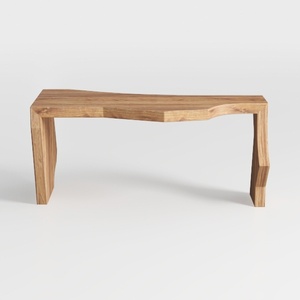

Minimalist Solid Wood Irregular Console Table 3D Model
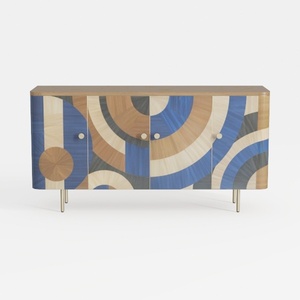
Art Deco Geometric Pattern Solid Wood Sideboard with Metal Legs 3D Model
Homestyler is your go-to online home design platform! With its user-friendly design tool, stunning 3D renderings, and a wealth of inspiring projects and DIY video tutorials, you can effortlessly transform your space and unleash your creativity—no prior experience needed!
Diseño ahora GRATIS
































