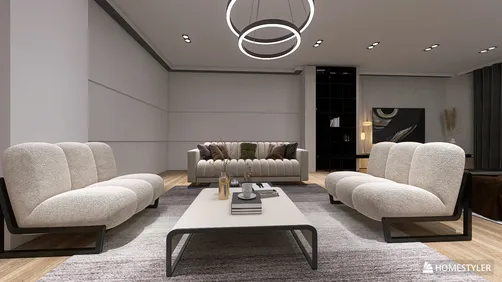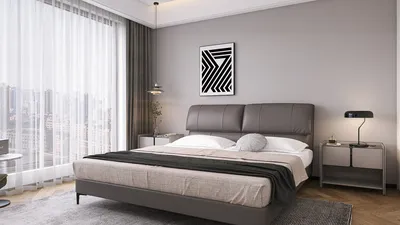



Walls painted gray exude a sense of quiet confidence, serving as a perfect backdrop that allows natural light, wood textures, and metallic details to shine. This neutral canvas is ideal for showcasing art and dining arrangements. In my experience, gray has been the go-to choice for clients looking for an atmosphere combining mood, sophistication, and adaptability without compromising comfort. Utilizing a tool like Homestyler can help visualize these designs effectively.
Lighting selections significantly enhance the impact of gray interiors. The WELL Building Standard v2 underscores that proper lighting levels and glare control enhance visual comfort and performance. Most dining spaces benefit from around 200-300 lux at the table level, with warmer light colors (between 2700-3000K) promoting a relaxed evening environment. The Illuminating Engineering Society (IES) advocates for layered lighting approaches to balance visibility, suggesting that a mix of ambient and task lighting avoids stark contrasts. To maintain an open view, I prefer dimmable pendants and indirect wall lighting that gracefully highlight the gray without flattening its richness. For further guidance, consider exploring the WELL v2 concept and IES recommendations.
Understanding color psychology is crucial in creating the desired ambiance. Gray is associated with calmness and stability, which can minimize visual distractions and enhance the dining experience. According to Verywell Mind, muted hues promote relaxation and encourage concentration. In a dining area, this translates into more intimate conversations, enriched candlelight, and food that presents beautifully, especially when set against deeper grays or soft dove tones. When clients seek a cozier feel, I integrate warm elements such as caramel leather, walnut finishes, or brass accents into the design.
Selecting the Ideal Gray: Undertones, Finish, and Balance
Not every gray has the same characteristics. Cool grays carrying blue or green undertones are perfect for sunny, south-facing spaces where they can maintain a fresh ambiance and enhance the grain of wooden surfaces. In contrast, warm grays with brown or taupe hints complement dimly-lit areas, creating a cozy atmosphere that pairs excellently with linen curtains and vintage brass fixtures. For wall applications, I recommend a matte or eggshell finish to reduce glare while retaining depth; semi-gloss is ideal for more durable areas like trim or wainscoting.
Layering Lighting for Gray Walls
An effective gray dining room incorporates three tiers of lighting: ambient, task, and accent. Ambient light should gently diffuse—consider cove or concealed LED strips that softly illuminate the walls. Task lighting should emanate from a pendant or chandelier positioned centrally above the table, aiming for 200-300 lux with a color temperature of 2700-3000K, while a Color Rendering Index (CRI) of 90+ ensures true food colors are showcased. Accent lighting might include picture lights or sconces to illuminate artwork and textures. To avoid creating undesirable shadows, the pendant should be hung 30-36 inches above the table, with diffusers used to minimize glare on glassware.
Furniture and Comfort: Where Elegance Meets Function
A stylish dining room prioritizes comfort. I usually recommend 24 inches of table width per guest for casual dining and 30 inches for formal occasions, ensuring enough space for elbow clearance and safe stemware placement. The ideal seat height is between 17-19 inches with dining tables ranging from 28-30 inches in height, allowing for at least 36 inches of space around the table for smooth movement. Rounded table edges and cushioned seating can soften a cool gray palette while light upholstery starkly contrasts darker charcoal tones, creating a refined look.
Material Combinations: Wood, Stone, Metals, and Fabrics
Gray walls beautifully complement natural materials. Walnut or white oak embedded in the design can warm up cooler grays without clashing. Honed marble, soapstone, or terrazzo can lend subtle motion—ideal for sideboards or table tops. Choosing metals is equally important: brushed brass provides a warm glow, black steel conveys a modern edge, and polished nickel reflects light effectively. Textiles enhance both acoustic qualities and tactile experiences—bouclé, linen, or velvet fabric can absorb sound and introduce textures that prevent gray from appearing flat.
Creating Pattern and Rhythm: Wainscoting, Paneling, and Artwork
Enhance the rhythm of gray spaces with millwork details. Picture-frame molding painted a deeper gray than the wall can create subtle depth. Board-and-batten or fluted panels add vertical dynamics, making the ceiling appear more relaxed. Thoughtful art selection is key: monochromatic photography, graphite art, or abstract pieces that include warm tones can elevate gray without overwhelming it. Consistent framing—such as thin black, antiqued brass, or natural wood—can cohesively tie the aesthetic together.
Design Layout for Proportion and Movement
A well-planned dining area thrives on clear pathways and proportionate layouts. Position the table on a rug that allows chairs to remain on it even when pulled back—typically, a rug should reach 24 inches beyond the table on all sides. Maintain a minimum of 36 inches from the table edge to walls or storage pieces; for increased comfort during entertaining, aim for 42 inches. If flexibility is desired, using an extendable table and a low-profile sideboard ensures visibility across gray walls. For visual harmony, center the chandelier above the table rather than the room, especially in asymmetrical designs. Utilizing a layout tool, like Homestyler, can help simulate space planning effectively before finalizing details like millwork or lighting placement.
Acoustic Comfort: The Essence of Quiet Elegance
Hard surfaces can amplify sound; simply painting walls gray won't solve acoustic issues. To manage echoes, I recommend upholstered seating, heavy drapery, and thick rugs with felt padding underneath. If working with high ceilings, consider fabric pendants or acoustic elements discreetly incorporated into a ceiling design to diminish echoes while maintaining aesthetic appeal. A well-sound-absorbing space contributes to effortless conversations, enhancing the grace that gray interiors promise.
Managing Daylight, Glare, and Shading
Gray tones can appear strikingly different in daylight. South-facing rooms may make cooler grays seem harsher, while north-facing areas can render warm grays to feel cozier. Layered window treatments such as sheer curtains for light diffusion and lined drapes for nighttime privacy are essential. The goal is a gentle gradient across the walls, avoiding stark hot spots. Using dim-to-warm LEDs mimics candlelight in the evenings, creating a soft, inviting glow on gray walls.
Decorating: Table Settings, Floral Arrangements, and Seasonal Changes
I favor bone china or matte stoneware against gray backgrounds, as they provide calming reflections and enhance food presentation. Brass or black utensils add striking contrast. Seasonal touches can keep the ambiance lively—try eucalyptus and white flowers for winter freshness, citrus blooms during spring, and rich dahlias against dark grays in the fall. A low, elongated centerpiece preserves sightlines and prevents glare from overhead lighting.
Sustainability and Durability
Opt for low-VOC paints for improved indoor air quality, and select FSC-certified wooden furniture whenever viable. High-quality finishes on tables and sideboards will minimize the need for refinishing. Classic grays reduce the risk of trend fatigue; with small design shifts—such as changing cushion covers, artwork, or table runners—you can refresh the atmosphere without the hassle of repainting.
Design Possibilities: From Soft Dove to Charcoal Drama
Soft Dove Gray: Pair with white oak, linen drapery, and woven textiles. Incorporate a milky glass pendant and nickel accents for understated elegance.
Mid-Tone Greige: Blend taupe-gray walls with walnut furniture, brass fittings, and bouclé chairs. A classic area rug introduces both color and pattern to ground the design.
Charcoal Statement: Counterbalance deep walls with warm, high-CRI lighting, light upholstery, and a stone-topped sideboard. Opt for large, minimalistic art pieces to prevent visual clutter.
Frequently Asked Questions (FAQ)
For bright, sunny spaces, choose cool undertones to maintain freshness, while warm undertones suit dim or north-facing areas to impart comfort. Testing large paint swatches at various times will help visualize the hues in changing daylight.
Aim for 200-300 lux at the tabletop with a color temperature between 2700-3000K. Implement dimming features to transition lighting from meal preparation to dining and ensure a CRI of 90+ for the most natural appearance of food.
Hang light fixtures 30-36 inches above the table surface to maintain clear sightlines, minimize glare on glassware, and ensure even light distribution.
Ensure at least 36 inches of space between the table edge and walls or storage options. For frequent entertaining, 42 inches allows for more comfortable movement during serving.
Choose warm materials like walnut or white oak, honed stone, and brushed brass accents. Textiles such as linen, bouclé, and velvet enhance acoustic quality and add a tactile richness.
Mix warm metals with wood tones and soft fabrics. Opt for dim-to-warm light sources and consider warmer gray undertones (greige) to harmonize the overall palette.
No, if the lighting is layered and the finishes are chosen wisely. Mid-tone grays with an eggshell sheen reflect light softly, while darker charcoals require more ambient and high-CRI lighting solutions.
Yes, incorporating rust, olive, and plum hues can create sophisticated contrasts. Keeping these accents within textiles, flowers, or artwork allows for seasonal adjustments without the need for repainting.
Select a rug that extends at least 24 inches beyond the table on all sides, ensuring chairs remain on the rug even when pulled out for use.
Use matte or eggshell finishes for walls to diminish glare and maintain a subtle texture. A semi-gloss finish on trim and wainscoting enhances durability and offers refined edges.
Absolutely. Gray's versatility allows for modern looks when paired with clean lines and blackened steel, or timeless designs with brass, paneling, and classic textiles.
Incorporate upholstered seating, heavy curtains, and a plush rug with felt backing. For high ceilings, consider fabric light fixtures or discreet acoustic panels for a balanced design.
Built on technology originally developed at Autodesk, Homestyler empowers anyone to design beautiful, realistic spaces in minutes. Join over 20+ million registered users (platform data, 2026) who have already discovered a smarter way to plan, visualize, and bring their dream homes to life — all from the comfort of a browser.

Modern Dark Gray Fabric L Shaped Sectional Sofa 3D Model

Modern Grey Leather Upholstered Metal Leg Dining Chair 3D Model


Modern Luxury Fabric Upholstered Sofa With Decorative Throw Pillows 3D Model
Homestyler is your go-to platform for home design! With an intuitive online design tool, stunning 3D renderings, and plenty of inspiring DIY tutorials, transforming your space has never been easier. Dive into design projects that spark your creativity and bring your vision to life today!
Design Now for FREE














![[For dear Adelina madee 🤎]](https://hs-designs.homestyler.com/production/design/images/8a07e535-9cbc-4132-a42a-5932dac3a112/1706972286037.jpg?x-oss-process=image/resize,w_502,m_mfit/format,webp)



![[For my dearest Sabrinik 🧡]](https://hs-designs.homestyler.com/production/design/images/3f463715-5ed6-4c49-9346-16d464510aa6/1714085722568.jpg?x-oss-process=image/resize,w_502,m_mfit/format,webp)