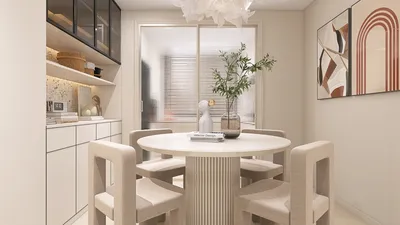


Over the past ten years, I have created more gray dining rooms than any other neutral color scheme. The simplicity of gray is its compatibility with natural light, enhancing materials and allowing art, culinary creations, and guests to come to the forefront. In professional settings, studies indicate that color and light significantly affect behavior; Steelcase highlights that visual conditions can enhance comfort and productivity, which reinforces the importance of a well-designed gray color palette for dining and entertaining. Additionally, WELL v2 emphasizes how color and light support circadian rhythms, leading me to regard gray as a base while considering light as a means to set the mood effectively. This is where tools like Homestyler come into play, helping visualize these concepts in action.
The perception of color is crucial in social spaces. Research by Verywell Mind indicates that cooler grays can create a calming atmosphere, making them ideal for extended dining experiences, while warmer gray tones invite a cozy feeling. I adhere to IES guidelines suggesting ambient lighting for dining areas be set between 100 and 300 lux, using a warm color temperature of 2700K to 3000K to make faces appear flattering and food appealing. When combined with the correct gray undertones, these choices transform the space into an inviting and purposeful environment rather than a dull one.
Understanding the Undertone: Warm vs. Cool Gray
Gray is not just a single color; it's a spectrum incorporating green, blue, violet, or brown undertones. Cooler grays, which hint at blue or green, are appropriate for north-facing rooms or spaces where warm wood features can balance the temperature. Warmer grays, leaning towards beige or brown, help soften stark daylight and tiles with cooler characteristics. I evaluate large paint samples at two heights—sitting and standing—to witness the dramatic changes in dining spaces from day to night. For areas with limited natural light, a warm gray can prevent the room from feeling cold as evening sets in.
Lighting Strategy: Layered and Controlled to Minimize Glare
Reducing glare is essential for maintaining ambiance. I often use a dimmable pendant or chandelier positioned over the table alongside diffused wall washers, which gently illuminate vertical surfaces. Adding about 200-300 lux to accentuate a buffet or art wall enhances depth. Consistency in color temperature across light sources (maintaining a ±100K variance) is crucial to preserving the clarity of gray tones. When dining rooms connect to kitchens with cooler task lighting, employing dim-to-warm pendants allows for an independent dining mood while preserving visual cohesion.
Importance of Finish: Matte, Eggshell, or Satin
Opting for gray wall finishes depends on desired outcomes: matte finishes conceal surface imperfections and create a tranquil, gallery-like atmosphere; eggshell provides a soft sheen that successfully reflects light in smaller rooms; satin is easy to clean in high-traffic areas or spaces where chairs might scrape against the walls. For paneling or other millwork, a satin finish in gray can generate a subtle contrast against matte walls without introducing a different color, resulting in a polished yet serene feel.
Accent Colors that Complement Gray
To avoid gray appearing stagnant, I intentionally layer accent colors: brass or brushed gold can warm up a cool gray; black or graphite introduces structure; while terracotta, cognac leather, or walnut elements provide earthy comfort. Pairing deep charcoal with forest green or inky blue can yield a sophisticated look. For a modern aesthetic, it's effective to introduce one high-contrast accent and repeat it two or three times—throughchair legs, picture frames, and slender sconces—rather than dispersing multiple colors throughout the space.
Texture and Materiality: Giving Gray Dimension
My design approach seldom involves just a single shade of gray. Instead, I layer textures to enhance rhythm: utilizing limewash or Roman clay on walls for visual movement; wool or boucle on chairs for comfort; honed marble or quartz for low-glare surfaces; and matte-black hardware for a touch of definition. Sustainability is also a priority—favoring low-VOC paints and FSC-certified wood when possible; this tactile authenticity grants gray richness instead of a utilitarian appearance.
Proportions: Balancing Wall Color with Table and Ceiling
The ratios of space direct the observer's gaze. In smaller rooms, applying a mid-tone gray on the walls paired with a lighter ceiling creates an illusion of volume. In higher spaces, deepening the wall gray and suspending a warm pendant arrangement helps bring scale back to the dining table. If the table is dark, keeping the wall gray one shade lighter maintains edge contrast; for lighter tables, consider a saturated gray backdrop to define the table's outline. A balanced composition can follow a 60-30-10 rule—dominant gray, secondary materials like wood or metal, and a 10% accent color.
Modern Trim and Molding Techniques
For a contemporary vibe, monochrome trim (using the same gray in varying sheens) can elongate walls effectively. If you desire defined edges, select a trim color one to two shades lighter than the wall gray. For traditional dining aesthetics, a two-tone wainscot may work well: a slightly deeper gray below the chair rail for grounding, with a lighter shade above to promote airiness. This approach adds subtle structure without burdening the space.
Art, Mirrors, and Acoustic Considerations
Gray walls create an ideal backdrop for art. I curate pieces in warm whites or bold blacks to enhance clarity. Utilizing low-reflective glass minimizes glare from light fixtures. In vibrant environments, introducing a fabric-wrapped panel or a substantial canvas can reduce reverberations; effective acoustic conditions enhance dining conversations by managing mid-frequency reflections. An appropriately placed mirror opposite a window can amplify daylight, but should remain outside of direct glare from hanging lights to avoid table hotspots.
Comfort and Ergonomics in Seating
Quality seating promotes extended dining experiences. Ideally, a seat height of 18 inches aligns with a table height of 29 to 30 inches. Allocate 24 inches per person at the table for elbow room, and maintain a minimum of 36 inches between the table edge and any walls or furniture for optimal movement. Upholstered seats in textured neutrals complement gray walls while subtly absorbing sound for a more pleasant dining experience.
Flooring and Rugs Complementing a Gray Palette
Warm hardwood floors, such as oak or hickory, contrast beautifully with cool gray walls. When incorporating a rug, extend it at least 24 inches beyond the table periphery so that chairs remain on the rug when pulled out. Select a medium-value rug that won't prominently display crumbs or everyday wear against gray walls.
Open-Plan Dining: Creating Zones with Color and Light
In open-concept living and dining areas, consider painting the dining wall in a distinctive gray shade to create a defined area, anchoring it with a pendant directly over the table. To create visual cohesion, the same gray tone can be repeated in nearby shelving or niches. If you're exploring different arrangements, utilizing a room layout tool like Homestyler can simulate various table sizes, clearances, and lighting effects before making final decisions.
Three Timeless Gray Color Schemes
Warm light gray walls, satin charcoal trim, a medium oak table, brass pendant lighting, with cream wool seating. Incorporate a linen runner and minimalist black frames for decor.
Blue-tinted gray walls paired with matte black hardware, a smoked glass pendant, a walnut table, and slate upholstery. Complement this palette with a textured rug and a touch of greenery.
Rich charcoal walls illuminated with warm 2700K dimmable lights, a marble-topped table, cognac leather chairs, and an antique brass mirror. Opt for simple tableware to allow the surrounding design to shine.
Lighting Controls for Evening Gatherings
Dimming capabilities can distinguish between casual dinners and lengthy gatherings. Program a dining scene at approximately 30–40% output with a warm color temperature for evening dining. If fixtures support it, opt for dim-to-warm LEDs to adjust the ambiance as the evening progresses. Keeping some accent light on artwork or a sideboard enhances visual depth within the area.
Common Mistakes to Avoid
- Selecting a gray without assessing it in both daytime and evening lighting conditions.
- Combining cool and warm LEDs that conflict with the paint's undertone.
- Using overly glossy finishes on walls that can amplify imperfections and create glare near the dining table.
- Neglecting acoustics—having hard surfaces throughout can lead to harsh conversations.
- Employing too many accent colors that clash with the gray background.
Reliable Sources for Further Understanding
To gain insights into workplace effectiveness and comfort that can be applied to residential dining, I recommend exploring research conducted by Steelcase, which illustrates how the built environment influences user experience. Moreover, studying the WELL v2 principles on lighting and mental well-being offers valuable insights into the design of spaces conducive to social engagement and connection.
Frequently Asked Questions
Q1: What gray paint undertone is ideal for a dining room facing north?
A1: Since north light tends to be cooler and more blue, utilizing a warm gray that has subtle beige or brown undertones keeps the room welcoming during the evenings and in winter months.
Q2: What brightness should the lighting in a gray-walled dining room have?
A2: Aim for ambient brightness within the range of 100–300 lux, ensuring that the pendant light above the table emits warm lighting at 2700K–3000K. Incorporate dimmable features for evening relaxation.
Q3: Do gray walls diminish the perception of space in small dining rooms?
A3: Not necessarily. Utilizing a mid-light gray along with a lighter ceiling and effective vertical illumination can create the illusion of a more expansive area. Conversely, using overly dark gray with inadequate lighting could make it feel cramped.
Q4: What metals complement gray well?
A4: Brass and brushed gold add warmth to cool grays, while black, chrome, and pewter can define warmer grays. Consistency in one or two metal finishes enhances the overall aesthetic.
Q5: Which rug color works best in a gray-themed area?
A5: Medium-value neutrals like greige, taupe, or heathered charcoal can conceal wear and create balance with the wall tones. Mirroring a wood tone or metallic accent fosters harmony.
Q6: How can I avoid glare on a reflective dining table against gray walls?
A6: Utilize diffused shades or fabric-covered lampshades on pendants, orient fixtures to minimize direct reflections, and opt for a honed or matte finish on tables to help reduce glare.
Q7: Can I achieve a monochrome look with gray trim and walls?
A7: Absolutely—employ the same gray in different sheens: matte for walls and satin for trim. This creates a coherent and modern feel without introducing a contrasting color.
Q8: Is gray too cold for family dining environments?
A8: It's not inherently cold when paired with warm lighting (2700K–3000K), textured fabrics, and natural wood accents. Adding a single warm accent—like leather, terracotta, or brass—can enhance warmth.
Q9: What is the recommended clearance around a dining table?
A9: Maintain at least 36 inches between the table's edge and any walls or furniture for free movement; aim for about 24 inches per person along the table for comfort.
Q10: How can I improve acoustics in a gray dining room with hard flooring?
A10: Incorporate rugs with dense piles, upholstered seating, textile art, or curtains. Soft materials help reduce sound reflections and enhance the clarity of conversations.
Q11: Which shade of gray works best with colorful artworks?
A11: Opt for a neutral gray with subtle undertones to ensure that the colors in the artwork remain vibrant and accurate.
Q12: How can I delineate an open-plan dining area using gray?
A12: Apply a distinct gray to the dining wall, position a centered pendant over the table, and echo that gray in nearby spaces, such as shelves or wall niches, to unify the area visually.
Homestyler's roots trace back to Autodesk, the global leader in design and engineering software. That heritage lives on in every feature we build. Today, with a community of more than 18 million users worldwide, Homestyler continues to make professional-quality interior design accessible to everyone — from first-time decorators to seasoned architects.

Vintage Black Solid Wood Rocking Chair with Knit Throw Blanket 3D Model
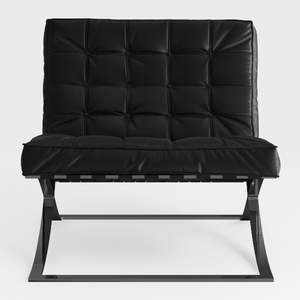
Modern Black Leather Tufted Metal Frame Armchair 3D Model


Modern Minimalist Dark Walnut Black Metal Dining Table 3D Model
Homestyler is your go-to online home design platform, perfect for transforming your creative ideas into reality. With a user-friendly design tool, stunning 3D renderings, an array of design projects, and helpful video tutorials, you can effortlessly create and visualize your dream space.
Progetta ora GRATIS
































